
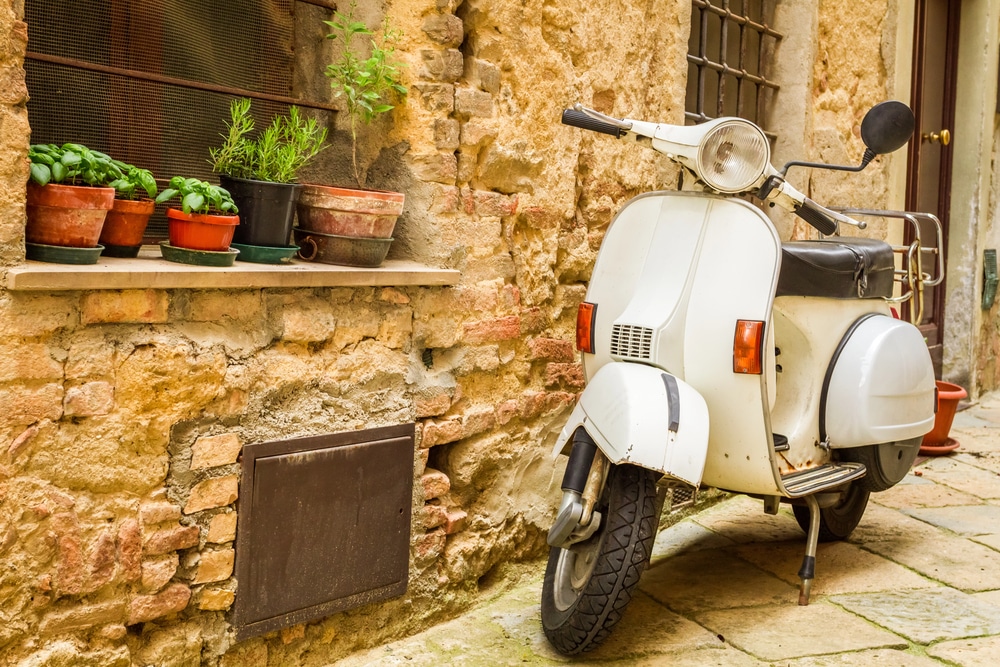
If you’re planning a trip to Italy and looking for essential Italy travel tips and advice, you’re in the right place.
I live in Italy for part of the year, and this guide is born from my own experiences (read: screw-ups and lessons learned) to help you travel around Italy like a pro.
From navigating the local transportation system to decoding Italian menus (hint: ordering a “latte” might leave you disappointed) and making sure that ATM withdrawals don’t cost more than they should, this list of Italy travel tips has everything you need for a smooth trip.
Public Transportation Tips for Italy
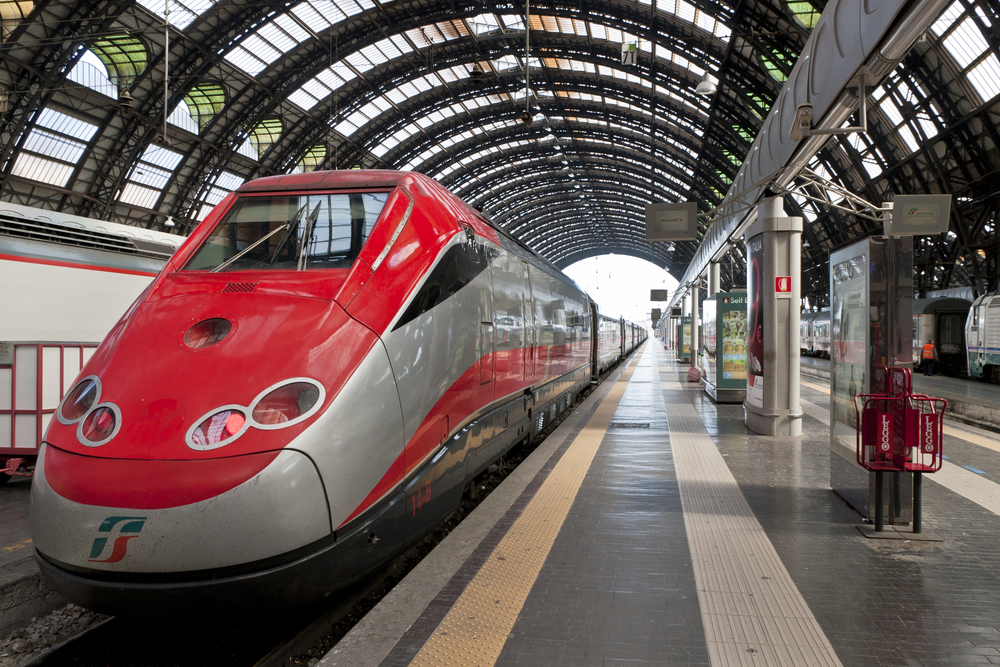
1. Use Trains for a City-Hopping Itinerary.
Traveling by train is normally a smooth and straightforward experience. Cities and even larger towns are well-connected by Italy’s train system. So if your Italy itinerary stays within places with train access, travel by train to save money and avoid the stress of driving and parking. If you plan to explore the countryside, too, try to rent a car only for the days you need it.
2. Book Train Tickets in Advance.
Book train tickets ahead of time to save money and get a guaranteed seat for the date, time, and route you need for your Italy trip logistics. Tickets cost more closer to the departure date and during peak times the best-timed trains can sell out. You can print out your tickets at home, use an e-ticket in your email, or use an app like Omio to store and open your tickets even when you don’t have internet access.
3. Validate Your Train, Ferry, and Tram Tickets.
Physical train tickets need to be validated to avoid fines on trains. Look for the (typically) green or yellow machines near the platforms to time stamp and validate your ticket. Digital tickets on your phone don’t need to be validated.
Tickets for ferries and those for trams in cities like Torino or Milan should also be validated. Look for validation machines at the ferry departure point and on-board city trams.
4. Don’t Panic if You Don’t See the Train Platform Posted.
Train departure platforms are not announced until right before the train arrives or departs. You’ll notice people watching the big boards and then moving all at once toward the platform. While you wait, use the time to familiarize yourself with the tracks and their numbers. Or simply follow the herd when the track is announced.
5. Check the Train Car and Seat Numbers on Your Ticket.
These numbers tell you exactly where you need to sit on the train. Platforms often have signs or computer monitors to show you where to stand based on your assigned car and seat so you board in the right place without having to walk with your bags through the train. Do your best to position yourself in the right area of the platform before your train arrives.
6. Buy City Bus and Tram Tickets Before Boarding. (Or Use the Contactless Payment Option On Board.)
You can get city bus and tram tickets at a “Tabaccheria” (look for a big “T” sign), newsstands, and metro stations. Have cash in case the amount is too small for a card. Otherwise, tap and go with a contactless credit card on board the bus or tram. (Drivers don’t sell tickets and can’t make change.) Remember to validate any physical tickets on board the bus or risk a fine. Tickets are valid for 90 minutes.
Metro stations in bigger cities like Milan also have contactless payment entry points. It’s much easier to bypass the ticket kiosk and tap yourself into the system. Just be sure to use the same payment method to tap out when you exit.
Italy Rental Car and Driving Tips
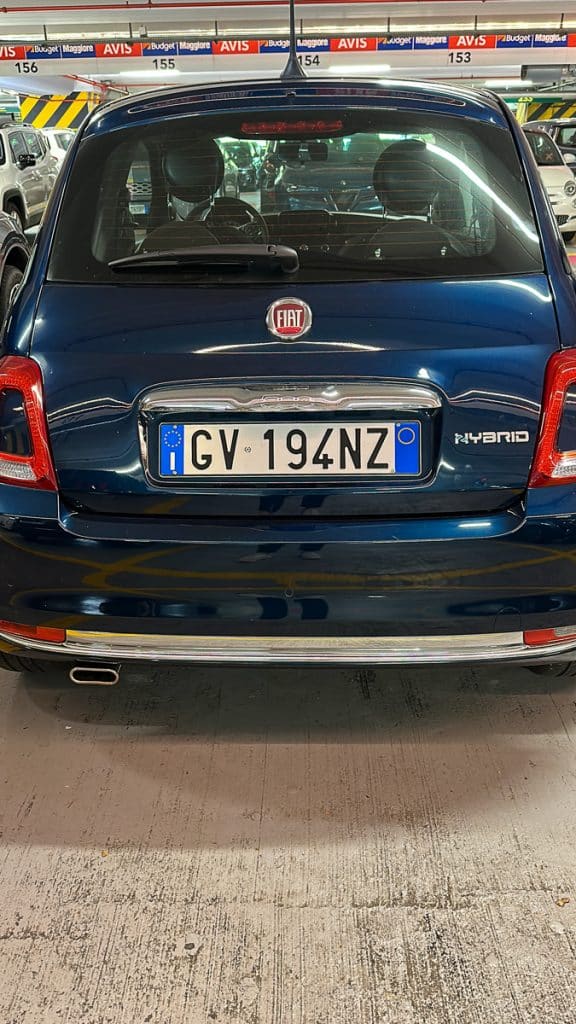
7. Rent a Small Car, Preferably a Manual.
Rent the smallest car possible to meet your needs. Streets can be narrow, and the parking is tight. A smaller car is easier to maneuver and uses less gas.
If you know how, choose a car with a manual transmission. They can be half the price of an automatic car which amounts to significant savings, especially in the higher-priced summer season.
8. Tell the Rental Company If You Plan to Drive Outside of Italy.
One of the many perks of road-tripping in northern Italy is the ability to drive into another European country like France or Switzerland.
Just be sure to tell your rental car company that you plan to drive into another country. The rental car company needs to know/give permission or else you void the insurance and rental contract terms.
9. Avoid Driving in ZTLs.
ZTLs (Zona Traffico Limitato) are restricted zones in cities and towns where only locals with permits can drive.
Look for clearly marked signs with a red circle to know where ZTLs are and avoid driving on these streets. Non-residents will be fined for entering these areas by car.
10. Get an International Drivers Permit.
For Americans, AAA issues the International Drivers Permit which is good for an entire year in many countries worldwide. If you get stopped by a police officer while driving in Italy, you can save yourself a big fine by having this document and your regular driving license. Some rental car companies will ask you to show it, as well.
11. Tolls and Parking Fees Can Be Paid by Card.
While it’s always a good idea to carry some Euros just in case, you can pay Autostrada tolls by card. Just look for the lanes that accept them. They’re usually indicated in white or blue and have a credit card icon indicated on the sign.
Similarly, most parking garages in Italy require you to pay at a machine when you return to your car just before exiting the lot. These machines typically accept both card and cash payments. Once paid, your ticket is used at the exit gate to show proof of payment.
Sometimes, you must pay for parking in advance. Again, these machines usually take cash or cards and then print a ticket for you to display on your dashboard.
Accommodation Tips
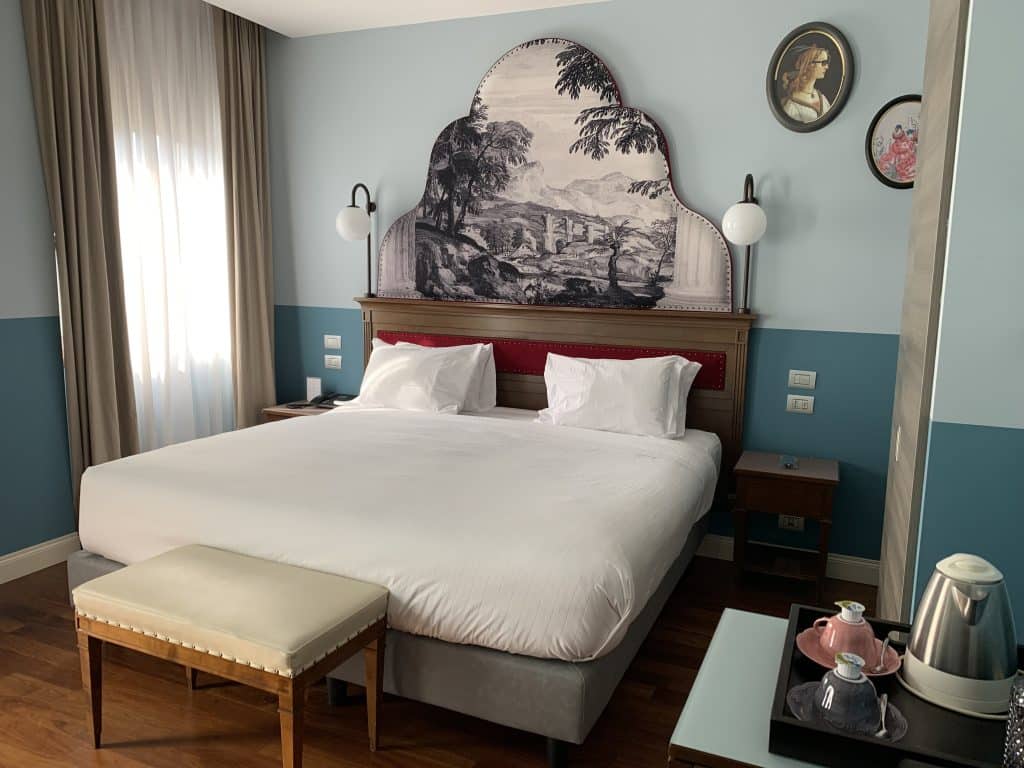
12. Hotels Will Copy Your Passport.
It’s required for hotels to make a copy of your passport. Just make sure you get it back once you’ve checked in.
13. Expect a Tourist Tax.
The tourist tax is a local city tax for overnight visitors. The money is to support tourism infrastructure. It’s usually a few extra Euros on top of the room rate. Often, it’s paid separately in cash when you arrive or at check-out.
14. Check Hotel Amenities.
Don’t assume the hotel you’re looking at has air conditioning, window screens, or an elevator. These aren’t a given especially in historic buildings and can be total deal-breakers, especially in summer or with limited mobility.
It’s also a good idea to understand how to get to a potential accommodation especially if you have limited mobility or a lot of luggage. For example, some places in the Cinque Terre can only be reached by climbing stairs that are part of the village streets and alleyways. As an amenity, some offer free pick-up at the train station but others do not.
15. Ask About Parking.
Unless you’re staying at a hotel or agriturismo in the countryside, don’t assume there is parking, free or otherwise. Always ask and, when necessary, make an advanced reservation.
If your hotel has an agreement with a nearby lot, make sure you understand all the details like how to arrive and if it’s ok to take your car in and out during the day so you can plan accordingly.
16. Read Reviews About Breakfast.
Breakfast included can mean a croissant and coffee or a full breakfast. So, I recommend reading what others have said about what the hotel offers and the overall quality. Then, check the nightly rate with and without breakfast.
A typical Italian breakfast of a coffee and a cornetto (Italian-style croissant) will cost just a few Euros at any local bar and likely isn’t worth the mark-up on the hotel’s nightly rate. On the other hand, finding a full breakfast (eggs, toast, etc.) outside the hotel won’t be easy. So, make sure it’s worth it to pay extra for breakfast to be included in your room rate.
Italy Dining and Restaurant Tips
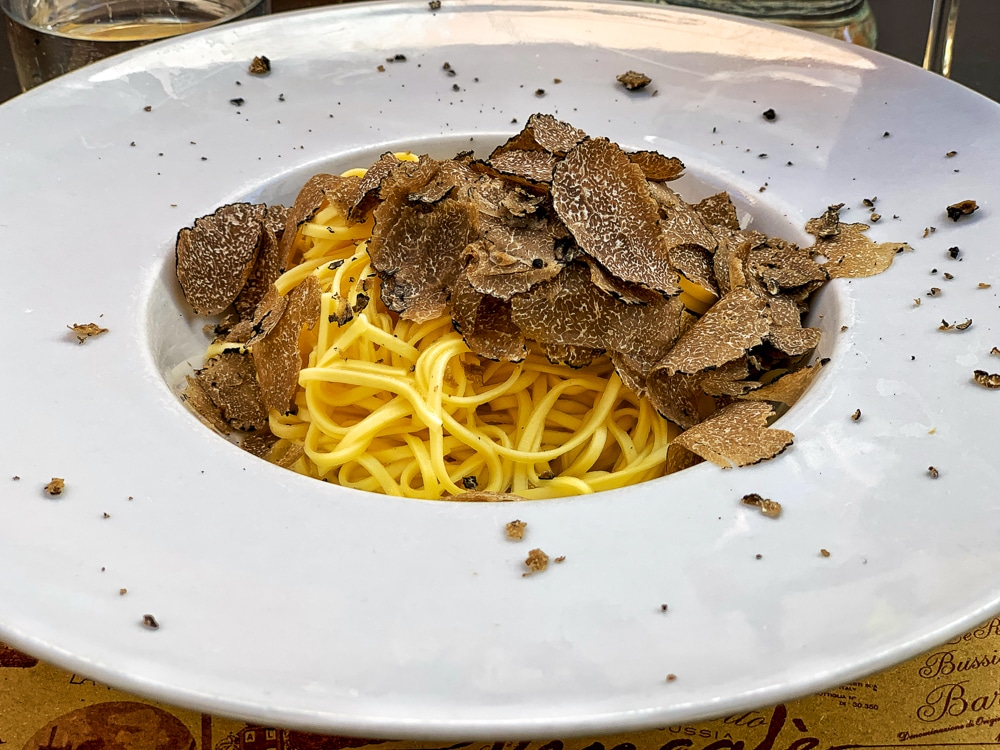
17. Tipping Isn’t Expected or Mandatory.
Instead, restaurants charge a “coperta,” a small fee (1-3 Euros per person) for table items like bread, olive oil, vinegar, salt, and pepper.
If you do feel compelled to leave something for service that went above and beyond, check for “servizio incluso” to see if extra was already added for your server. Sometimes this is the case in touristy areas. If not and you feel that the server did something so extraordinary that elevated your whole dining experience, you could leave a small tip as a thanks. But just know that it’s not expected even in this case.
18. Expect Slower Service than What You’re Used To.
Eating in Italy is a sacred experience. Waiters won’t rush you. They also won’t check in on you repeatedly to ask about your meal or to ask if you need more water. So if you need something, just ask nicely.
Take the time you want to enjoy your food and when you’re ready to leave, you’ll need to ask for the bill or simply walk to the payment desk.
19. Watch Out for an Americanized Italian Menu.
Dishes like spaghetti and meatballs, garlic bread, and chicken fettuccine alfredo aren’t Italian. They’re Americanized adaptations.
If one of these dishes is on the menu and you want authentic Italian food, look for someplace else that is less touristy.
20. Know the structure of an Italian Menu.
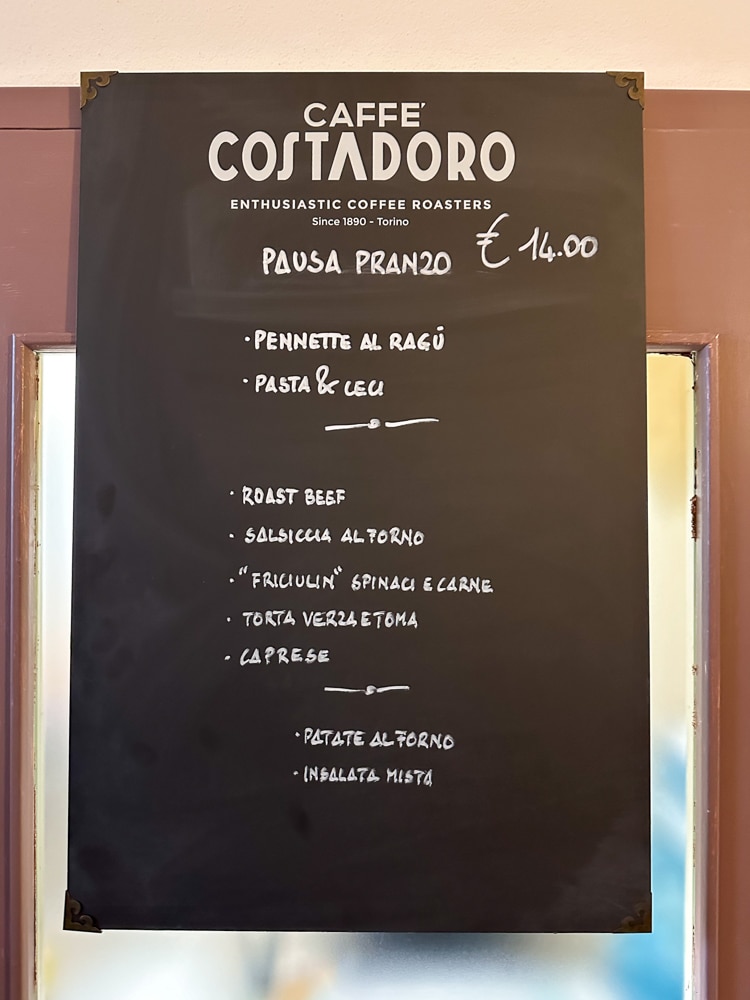
Typically, you’ll see a list of antipasti (starters), primi (pasta), secondi (meats), contorni (side dishes), and dolci (desserts). You don’t need to have each course. Some restaurants also offer a set price to choose one of each, especially at lunch or for the Sunday afternoon meal.
It’s normal to order only the courses that you want or even to add one later. I rarely order a secondi unless it’s part of a fixed menu but it’s always something I can ask for if I’m still hungry.
21. Don’t Expect All Day Service.
Outside of big tourist cities like Rome, Milan, and Venice, restaurants are typically open from 12:00 – 2:30 for lunch and 7:30-10:30 for dinner. Italians eat at set times of the day so restaurants close between meals. If you’re visiting small villages and towns, don’t get left hungry. Plan your day around these meal times when local restaurants are open.
If you see an open place outside of these hours, they may only be serving drinks because the kitchen is closed. Places that serve meals all day are most definitely for tourists or just a fast food option like a slice of pizza.
22. Reserve a Table If You Can.
Famous restaurants book up quickly, as do popular spots wherever you are. Call, email, or ask your hotel for help to make a “prenotazione.” This is also true in the countryside where there are fewer restaurants and demand from both locals and visitors.
One great tool is The Fork. It’s a website and an app so you can use it with wifi. Search where you are and make restaurant reservations online. Not every restaurant in Italy is on The Fork but a lot are even in countryside areas, so it’s worth a look and saves you the hassle of emails back and forth or a phone call in Italian.
23. Italian Menus Are a Must.
It’s not uncommon for a restaurant to have menus in Italian and English. But if a restaurant only has menus in English, it’s a tourist trap.
Avoid sub-par food and higher prices by giving it a pass. Even in the most touristed cities like Rome or Florence, you can always find restaurants locals love that’ll have much better food.
24. Avoid Restaurants with Photos on the Menu.
This one screams tourist trap. You’re guaranteed to have a better meal elsewhere and will likely pay less to do so.
25. Don’t Go to Restaurants Where Someone is Trying to Lure You Inside.
This is another sign the restaurant is a tourist trap. Good quality restaurants don’t need to convince people to come in. They’re usually full of people who made reservations to be there.
26. Order Regional Dishes When You’re There.
Each region of Italy is known for certain dishes. Research what they are and try them when you’re there! It’s the best and easiest way to get high-quality food made with local ingredients. Plus, you’ll inevitably expand your perception of “Italian food.”
For example, Puglia is known for seafood. Piemonte isn’t. But Piemonte and Lombardy are known for risotto and Puglia isn’t. So it makes sense to order risotto when you’re in either of these northern Italian regions. Go for a seafood dish when you’re closer to the sea.
27. Dine Away from Tourist Attractions.
When possible, don’t eat across the street from the Duomo in Milan or the Colosseum in Rome. Even a short walk away from the immediate area where the attraction is can pay dividends when it comes to food quality, prices, and overall experience.
28. Go for an Aperitivo.
This is a pre-dinner drink that sometimes includes free snacks. It’s quite popular throughout Italy, although it’s thought to have started in Milan. Either way, it’s perfect when you need to rest and refresh from a day of sightseeing.
29. Know What to Expect When Ordering Pizza.
No matter where you are in Italy, pizza only comes in a personal size. Pizzas with specific toppings are listed individually on the menu. You choose from this list instead of customizing your toppings.
When your pizza arrives, hide your surprise when you see that it doesn’t come pre-cut. You’ll need to cut it into small slices or bite-sized pieces with a fork and knife. It’s also customary to eat it all.
30. Water Isn’t Free in Restaurants.
Tap water isn’t served in restaurants. You’ll be asked to choose from still (naturale) or sparkling (frizzante) bottled water. Either way, it’ll come in a small or large bottle and isn’t expensive.
Sometimes, fixed-menu lunches even include your choice of still or sparkling water in the set price.
Italy Sightseeing Tips
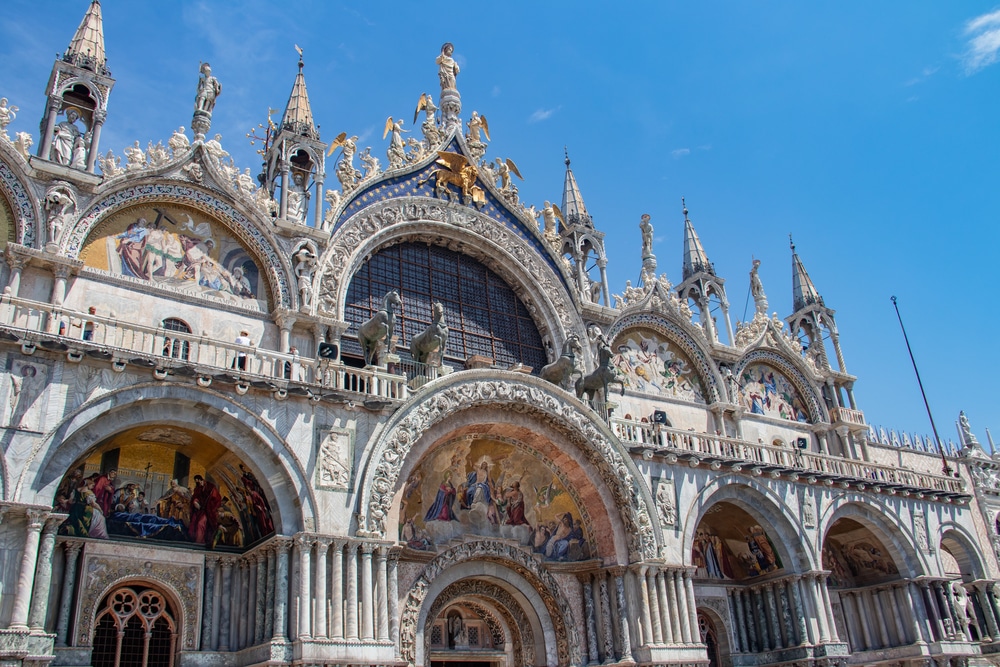
31. Book Tickets in Advance.
It might seem unnecessary but this is actually one of the smartest Italy tips of them all. Popular sights and experiences sell out. It would be a pity to miss something you traveled all the way to Italy to see or do when you could have simply planned in advance.
To see DaVinci’s Last Supper in Milan, for example, you need to book your ticket months ahead of your visit to get the date you need. Of course, spaces might open up or you’ll find a guided tour that includes entry. But these things require luck and more money out of pocket.
And even when sights and experiences aren’t sold out, do you really want to waste your precious vacation time waiting in line, potentially under the searing summer sun?
You’ll see and do what you want when you want, as well as save money and time when you book everything you can ahead of time.
32. Sightseeing Cards Can Be Worth It.
If one is available for the city you plan to visit, like Venice or Rome, it’s typically better to pay the bundled rate compared to buying tickets individually. Plus, many come with skip-the-line access.
Check each pass to see what’s included and whether those places line up with your sightseeing itinerary. Even just a few overlapping sights can mean solid savings instead of tickets for each one.
33. Plan an Ideal Itinerary that Goes Beyond Just the Famous Places.
Logistically, you want to plan an Italy itinerary that includes the places you dream of visiting without time wasted by backtracking. Map out each place so you can put them in an order that makes sense. If your itinerary doesn’t make a loop, it’ll likely make sense to fly into one airport and out of another.
Know that the majority of people who plan trips to Italy follow the same itinerary, Venice, Florence, Tuscany, Rome, and the Amalfi Coast. Milan and Lake Como are popular add-ons. But, this is just scratching the surface of what Italy has to offer! Why not discover at least a few of the hidden gems within easy reach of these main points for an itinerary all your own?
For example, beautiful Padua is just a 30-minute train ride from Venice. It has UNESCO-recognized frescoes in several places around the city including the Scrovegni Chapel and sees a fraction of the visitors that Venice gets. From Milan, the train can take you to Turin or Genoa, both underrated northern Italian cities, or Lake Maggiore instead of Lake Como.
With a car, you can venture into the countryside and visit tiny wine villages in Piemonte or see the jagged peaks of the Dolomites towering over alpine villages in Trentino-Alto Adige. And even this is just a sliver of what’s possible!
34. Expect Scaffolding and Restorations on Top Sights.
Don’t be surprised if a popular place has work ongoing. Many of Italy’s buildings and monuments are very old. Constant work is necessary to keep them up regardless of whether it’s high tourist season or not.
35. Avoid Peak Tourist Season.
Perhaps the most controversial Italy tip on the list but it’s advice I stand by nonetheless. Unless you’re planning a beach holiday in Liguria or Puglia or a visit to the Alps in the Valle d’Aosta or Trentino, avoid visiting Italy in July and August, if you can.
These are the hottest months of the year and the most uncomfortable time to sightsee in places like Bologna, Rome, Milan, and Florence. Summer also comes with the biggest crowds and the highest prices.
It’s much better to visit in the spring or fall. The weather is better and the prices are much more reasonable. And if you’re coming to Italy solely to sightsee in the big cities, even winter is more comfortable than the sweltering temperatures of summer.
36. Wake Up Early.
Sunrise is the best time to take photos of top places without lots of people crowding the shot. And if you’d like to take photos of a particular sight in darkness and daylight, I recommend going before sunrise instead of at night.
Places like the Trevi Fountain in Rome or the Duomo in Milan still have people lingering around them after dark. Plus, you’ll avoid making two visits to the same place for day and night photos.
Once you take your photos, have a caffe and cornetto at a local bar. Then, plan to be one of the first people inside a place like the Vatican or the Doge’s Palace in Venice for the complete travel win!
37. Target a Popular Sight or Museum Later in the Day.
Visiting a place just before closing time could mean thinner crowds, especially at museums. Just be sure to leave yourself enough time to see what you want without feeling like you’re rushing to finish before the attraction closes.
38. Sightsee on Foot.
If you’re able, set off on foot. This is when the best discoveries happen!
Many cities and towns are compact and perfect for walking. Even in bigger cities, you can use the metro to arrive in a neighborhood and explore from there. You’ll see places you wouldn’t have and just might stumble on a local favorite gelateria or restaurant.
39. Look Into Sunrise or After Hours Tours.
Especially during the peak summer travel season, these tours help you escape the crowds while also giving you a different experience than the typical day visit.
In my experience, it’s worth it to pay a bit more to see places like the Sistine Chapel or the Colosseum outside of normal opening hours to avoid the biggest crowds. You might even get to visit a part of a place that isn’t open during general visits for a more exclusive experience.
Italy Money & Safety Tips
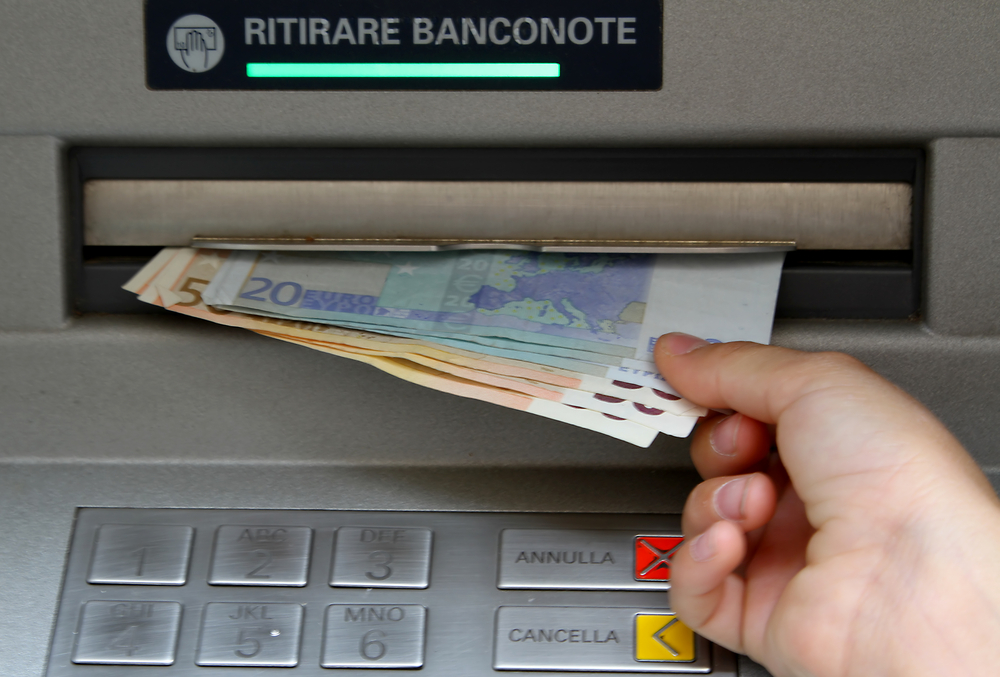
40. Be Aware of Pickpockets.
Keep eyes on your belongings at all times, particularly in places like Venice and Rome where tourists are a target. Only carry the credit cards and cash you need and, if possible, carry them in separate places. In case one gets stolen, you’ll have the other as a backup.
Keep all other valuables like jewelry, passports, additional credit cards, and cash in the hotel safe.
41. Don’t Fall for Scams.
Don’t take “free” roses or friendship bracelets. You’ll be asked to pay for it afterward.
The same goes for petitions. Don’t sign them or engage because there’s usually a request for money and not all of the petitions are legitimate.
Only take licensed taxis and watch for people trying to lure you into a specific bar or cafe where the prices will inevitably be inflated.
42. Take Cash Out Once You Get to Italy.
The exchange rate will be better than requesting Euros from your bank at home ahead of time. Use an ATM at a bank near your hotel instead of at the airport if you can. Even the ATM fees will be cheaper (see below) than the convenience fees your local bank is likely to charge you for getting Euros in advance.
43. Know Which Currency to Choose.
When asked at shops, restaurants, and other places if you’d like to pay in Euros or your home currency, always choose Euros to avoid sneaky convenience fees.
Also, decline any currency conversions at ATMs. You can still withdraw money when you decline the conversion but you’ll skip the associated fees a bank or foreign banking network will charge.
44. Carry Some Cash But Not a Lot.
Nearly everywhere you go will accept a credit card payment, even in small villages.
But places like public bathrooms cost money. You may also need some cash for parking lot pay machines or bus tickets in a tabacchiera. So it’s good to have a small amount on hand.
45. When Possible, Pay by Credit Card.
Credit card payments protect you from issues that may come up like when that beautiful bowl you bought in cash at a market isn’t shipped to you like the vendor said it would be. Plus, if there’s a dispute or you’re accidentally double charged, your bank can help you find a solution.
Italian Coffee Culture Tips
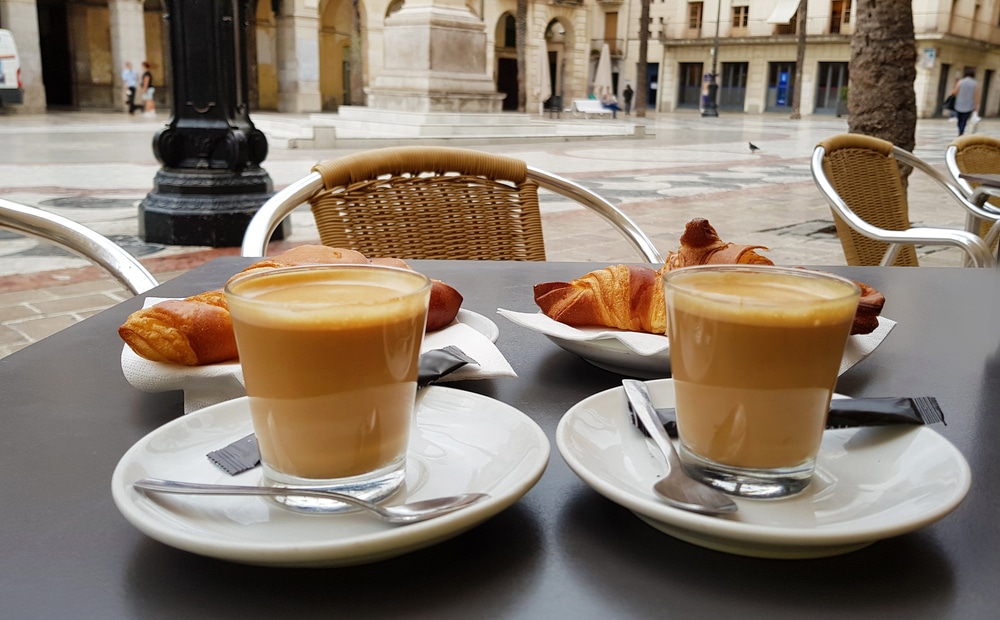
46. Italy Has a Defined Coffee Culture.
Italian coffee culture is serious businesss.
The default coffee is espresso served in a demi-tasse cup. It’s called a “caffe” and is found at local bars throughout Italy.
Take-out coffee is not a thing in Italy and even when it’s possible to take your coffee in a paper cup, drink it sitting somewhere while it’s still hot. Italians never stroll with a cup of coffee.
47. Don’t Order a Cappuccino After 11 AM.
You may have seen this Italy tip circulating online and on social media. It’s controversial but true.
Cappuccinos are for breakfast and not after lunch or dinner. You may get strange looks if you order one outside of the normal time.
48. Lattes Don’t Exist.
Latte means milk in Italian. If you order a latte, you will get a glass of milk. Instead, order something like a macchiato or a cappuccino if it’s breakfast.
49. Don’t Drink Coffee with Meals.
You’ll definitely get some odd looks if you do this.
Italians drink their coffee at the very end of a meal. Even when you order a dessert, the coffee comes afterward not with it.
50. Watch for Different Prices at a Bar.
The bar in Italy is where you have a “caffe” or coffee. You can also have other drinks, both alcoholic and non-alcoholic.
It’s not uncommon for the menu to have two columns of prices depending on whether you stand at the bar for a quick moment to have your drink or sit at a table.
Good to Know Tips
51. Be Polite.
When you’re in a shop or restaurant, it’s polite to say hello, “buongiorno” and goodbye, “arrivederci.” Know the words for please and thank you, too, “per favore” and “grazie.” Ciao is an informal hello or goodbye. It’s generally ok to use even with people you don’t know personally and certainly more accepted in touristy areas.
52. Learn Some Basic Phrases.
No one expects you to be fluent in Italian but knowing how to order in a restaurant or ask basic questions will go a long way.
And while English is spoken in many places, not everyone you meet will be able to speak English fluently or at all, especially away from popular cities.
You’ll be glad you took the time to learn some common Italian phrases!
53. Pack Light.
One of the biggest mistakes I see visitors in Italy make is overpacking. Whether they’re hauling big, heavy suitcases along cobblestone streets, up flights of stairs, or on and off trains, they’re red-faced, out of breath, frazzled, and stressed.
When in doubt, choose a small suitcase and pack less. You’ll enjoy your Italy experience from start to finish so much more.
54. Cover Up in Churches.
Shoulders and knees are required to be covered while visiting churches. So, pack a scarf or shawl if you’re visiting during the summer and will be wearing sleeveless tops or short dresses, skirts, or shorts. Otherwise, you may be asked to put on a used shawl they have for visitors who aren’t dressed appropriately.
55. Wear Comfortable Shoes.
No matter what your Italy itinerary is, expect to walk a lot. In fact, I guarantee you’ll walk more than you think every day, and at least some of that time will be on cobblestones.
So, pack flat, comfortable, rubber-soled walking shoes. Be sure to bring at least 2 pairs that you can walk in for hours. If one pair irritates your skin, you can switch it out for another pair and hopefully avoid the irritated spot.
56. Be Prepared for Unusual Bathrooms.
For the most part, you’ll find standard, westernized toilets. But, toilets and sinks in some spots could be old with only a peddle on the floor to step on to flush or run the water. You might even encounter a squat toilet.
Also, ladies, be sure to carry some tissues with you just in case.
57. Pack Mosquito Repellent.
Unless it’s winter, early spring, or late fall have some on hand to fend off these pests.
Remember, too, your accommodations likely won’t have window screens and air conditioning isn’t a given. So, mosquito repellent can come in handy when you’re trying to enjoy the comfort of your room or vacation rental.
58. Refill Water Bottles at Italian Water Fountains.
The water in Italy is safe to drink. Travel with a refillable water bottle so you can avoid plastic waste and save money buying countless bottles of water.
59. Download Important Apps and Data Before Leaving for Italy
Google Translate is a must! Download the Italian language so you can use it even when you’re offline. Plus, the app will let you take a photo of a menu and it will instantly translate it!
You should also download Google Maps and the maps you need for your trip. Google Maps will let you select an area on a map and then download the associated maps. Then, once you’re in Italy, you can drive, walk, and access the directions you need regardless of whether you have an internet connection or not.
60. Know What to Do in Case of Emergency.
The emergency number in Italy is 112. It’s like 911 in the U.S. and Canada and is important to know…just in case.
Questions about these tips for traveling in Italy?
Let me know! I’m happy to help you feel confident and ready as you plan your trip to Italy.
