
There are so many incredible things to do in Turin, that whenever anyone tells me they didn’t include it on their northern Italy itinerary, I immediately suggest they reconsider!
I fell in love with Turin years ago when I first visited during the Winter Olympics on an unexpected business trip with my soon-to-be husband.
Even with all the special events going on, it was easy to see the city’s magic, from the royal palaces and classic piazzas to its historic cafes, gallerias, and museums. Not to mention, all of the chocolate!
In all seriousness, I’m convinced that all along it was destiny at work. Fast forward to today where we stay for part of the year in the Piedmont hills just outside of Turin. We now get to visit as often as we want…which is very often!
So, I wanted to write this guide based on my frequent visits to the city to show you why you should visit and help you plan what to do in Turin once you get here.
Let’s explore beautiful Torino together, shall we? Andiamo!

Where is Turin, Italy?
Let’s take a quick moment to orient ourselves with a few important details.
Turin is the capital of the Piedmont region in northwestern Italy and one of the most important cities in Italy.
The Alps border Torino’s north and west sides for a striking cityscape on clear days. To the east, the city gives way to the green slopes of Monferrato. The Po River, Italy’s longest, flows eastward through Turin, continuing across northern Italy before emptying into the Adriatic Sea just south of Venice.
By car from Turin, it’s about 1 hour 45 minutes northeast to Milan. Genoa is 2 hours southeast of Torino. Other popular places like Asti, Alba, or Aosta are about 60-90 minutes away.
Turin is also not far from the French border. To go from Torino to Nice would be about a 3-hour and 30-minute drive. Points just over the Swiss border to the north, like Zermatt, would be about the same.
Is it Turin or Torino?
“Is Turin the same as Torino?” has to be one of the most frequently asked questions I get from readers who are researching for their northern Italy trip. So, let’s make it simple.
Torino is the city’s name in Italian and Turin is the (same) city’s name in English. The same goes for many other Italian cities. It’s Milan in English but Milano in Italian. Similarly, it’s Venezia for Venice, Roma for Rome, Firenze for Florence, and Napoli for Naples.
So throughout this guide, I’m going to use both Turin and Torino because they’re the same city. Personally, I prefer the way Torino rolls off the tongue. It’s got a better ring in my Italophile ears, too!
Top Things to Do in Turin

1. Palazzo Reale
You can’t visit Turin without visiting its Royal Palace! Even after visiting the Royal Palace of Turin dozens of times, it’s still my favorite place to visit in Torino. If you’re like me, you’ll see there’s something about its grandeur that draws you in immediately.
This 16th-century palace in Piazza Castello belonged to the House of Savoy, Italy’s former ruling royal family. The Palazzo Reale was the Savoy family’s main residence, with Turin being the first capital of Italy for a few years after the country’s unification in 1861. Today, this palace, Palazzo Madama below, and 12 other residences have been named a UNESCO World Heritage Site.
Inside, the royal apartments have all the trademarks of a royal residence, including frescoed ceilings, crystal chandeliers, gold leaf trimmings, marble fireplaces, antiques, and paintings framed in gold. All of the things you’d expect to find in a royal residence and, in this case, showing off the grandness of the Savoys.
One of my favorite rooms is the Royal Armoury. It takes my breath away every time! Aside from the incredible collection of arms and armor dating back to the 13th century, the frescoed ceiling framed with gilded moldings by Claudio Francesco Beaumont is absolutely stunning!
In addition to the royal apartments and the armoury, the Royal Palace complex includes the baroque Cappella della Sindone (Chapel of the Holy Shroud), the Royal Library, Galleria Sabauda, and the Archaeology Museum. To visit them all, you’d need an entire morning or afternoon. Plus, the Royal Gardens outside are a green retreat from the city with fountains and fantastic views of Torino’s iconic dome and spire atop the Mole Antonelliana.
Avoid waiting in line to buy tickets. Get your tickets online from the Royal Palace’s official website.
ProTip: The Palazzo Reale is closed on Mondays, as are many shops and sights in Turin. Even some of the city’s historic cafes are closed on Mondays. Visiting Turin from Tuesday-Sunday is best for sightseeing although you should always check the hours for each sight you want to visit for exceptions to this rule.
2. Palazzo Madama

Located in the same Piazza Castello as the Royal Palace, Palazzo Madama’s history is rooted in the foundations of Torino.
In the first century B.C., the city was named “Augusta Taurinorum” by the Romans and a defensive wall with 2 towers stood where Palazzo Madama is today. Eventually, the wall became part of the medieval castle and finally, the palace that you see today. And because of this history, Palazzo Madama is unique with a baroque facade on one side and a medieval facade on the other.
You can also still see part of this ancient Roman wall as you walk towards the Book Shop and exit from inside the palace. (If you visit Turin’s Porta Palatina, a first-century B.C. preserved Roman gateway, you’ll get a sense of what this wall might have looked like thousands of years ago.)
From the mid-1600s on, Palazzo Madama was used as a royal residence, a government headquarters, the original seat of the senate, and a court before becoming the Turin City Museum of Ancient Art.
The name is misleading, though, because inside you’ll find a fantastic collection of paintings and decorative arts from medieval times up to the 18th century highlighting the Savoys and the region of Piemonte.
When you visit, be sure to go to the palace’s top floor and panoramic tower. I love this unique view over Piazza Castello and Torino’s rooftops!
ProTip: Palazzo Madama is an exception to the rule above. The palace’s museum is open on Mondays but closed on Tuesdays!
3. Piazza Castello
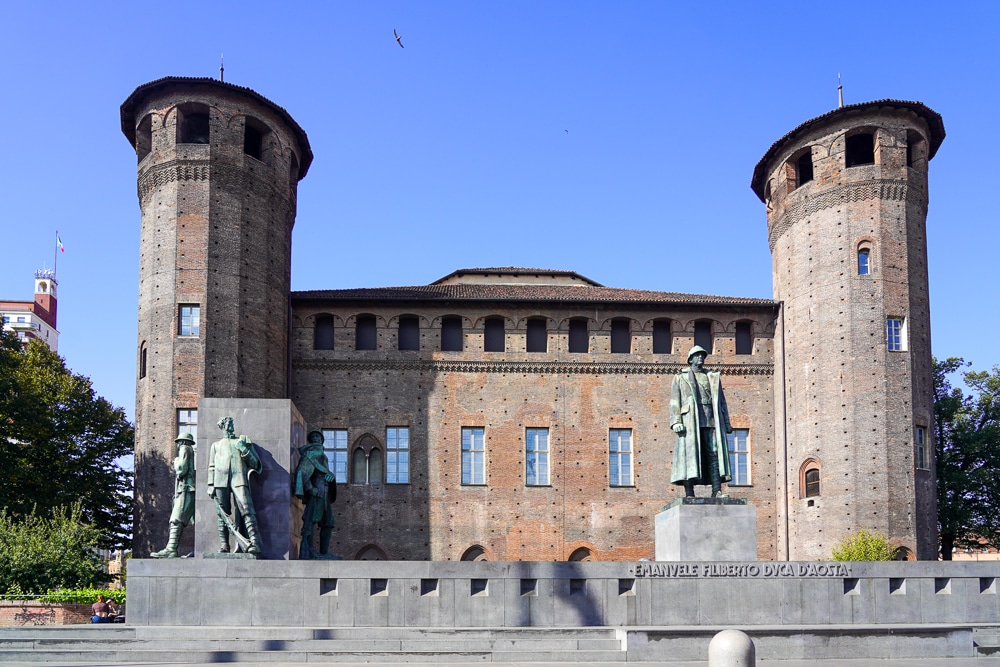
Home to Palazzo Reale and Palazzo Madama, Piazza Castello is one of Torino’s grandest squares. The square is also home to the Royal Church of San Lorenzo, as well as one of the city’s tourist offices should you need help or to buy a sightseeing card. Much of what you see today in Piazza Castello dates back to the 16th-18th centuries.
From the square, you can also see the top of the Duomo di Torino. There’s a passageway from Piazza Castello leading to the steps of the Cathedral. You can also easily walk into Torino’s Quadrilatero district, its narrow streets dating back to the city’s Roman roots lined with shops and restaurants.
In the warmer seasons, Piazza Castello’s ground fountains add to the splendor of the square. And at Christmastime, Torino’s Christmas tree is lit in front of the Palazzo Reale.
4. Duomo di Torino
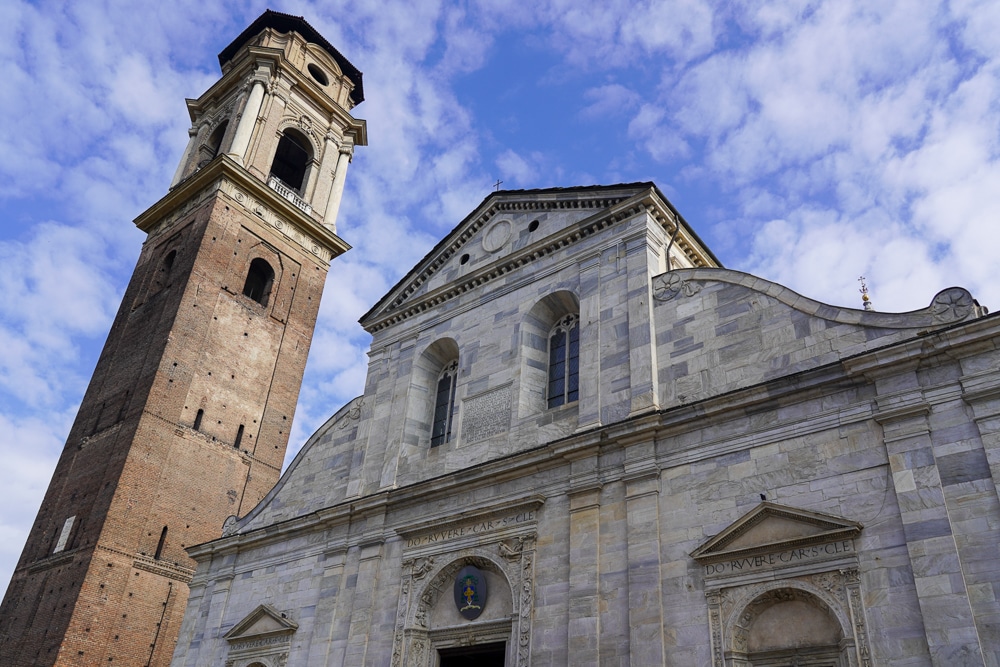
This church, also known as Turin Cathedral and the Cathedral of San Giovanni, is dedicated to St. John the Baptist and is very important in Turin. Although inside the church is quite plain compared to others you’ll visit in Italy, it’s here where the Holy Shroud of Turin is kept. It’s believed (though certainly not without its skeptics) that this piece of linen cloth was the one used to wrap Jesus after the crucifixion. On the shroud, there is a faint image of a man believed to be Jesus.
Today, the Shroud of Turin is only shown for very special events. But, you can see a replica of the relic in a shrine protected by glass at the back of the left aisle of the Cathedral near the main altar.
The Chapel of the Holy Shroud, behind the main altar, was added to the Cathedral in the late 1600s. The Cathedral itself is roughly 200 years older than this dedicated chapel. The Holy Shroud was kept in this chapel for about 300 years before being moved to the Duomo in the 1990s. You should be sure to visit this beautiful domed chapel at the end of your visit to the Royal Palace. The entrance to it is from within the palace and not from within the Cathedral.
ProTip:
If you’re facing the front of the Duomo, the 15th-century Duomo Bell Tower is just beside it on the left. It actually was there for about 25 years before the existing Cathedral and was saved and then later changed and restored.
What a lot of visitors don’t realize is that you can climb the 210 steps inside the bell tower for views of the city and the surrounding Alps. From this vantage point, you can even see the famous spire of the Mole Antonelliana and Porta Palatina and the nearby Roman ruins from overhead. From here, you can get a sense of the layout of the ancient Roman settlement.
Given how close the bell tower is to the Royal Palace, it’s easy to include on your list of things to do in Turin. The bell tower is open Monday-Friday from 10 a.m. – 6 p.m. (last entry at 5:15 p.m.) but you can confirm the hours on the official website.
5. Royal Church of San Lorenzo
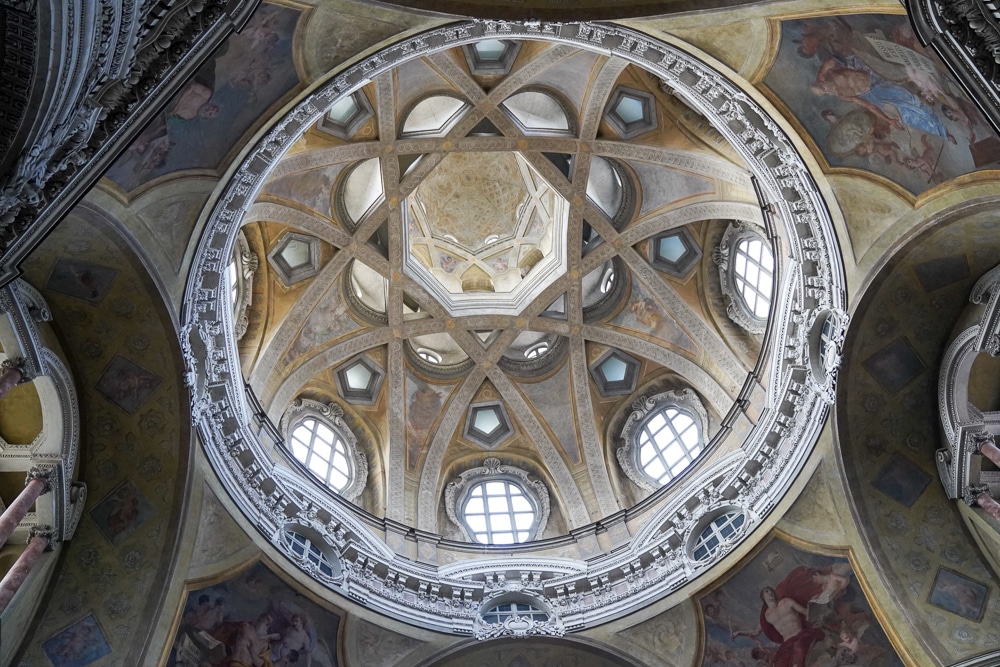
Also in Piazza Castello next to the Palazzo Reale, you’ll find this lovely baroque royal church finished in the 1680s to celebrate a 1557 Savoy battle victory. The Guarino Guarini-designed dome is what sets this church apart from other buildings in the square and churches in the city both inside and out.
Going from rounded at its base to an octagon higher up, the dome uses a combination of windows and intersecting arches to create a star with 8 points reminiscent of geometric patterns you might see in architecture with Moorish influences.
The effect it creates is what looks like a face with the smaller windows on top as the eyes and nose and the bigger window below as the mouth. Knowing this while visiting the church, I found it impossible to unsee the faces no matter which direction I was looking!
Yet these faces don’t resemble those of the saints but rather the devil! Even Guarini thought these faces caused “terror of the human soul!” Personally, I’m more in awe of the artistry but I can’t deny looking up at the dome and wondering about who was staring back at me.
6. Museo Egizio
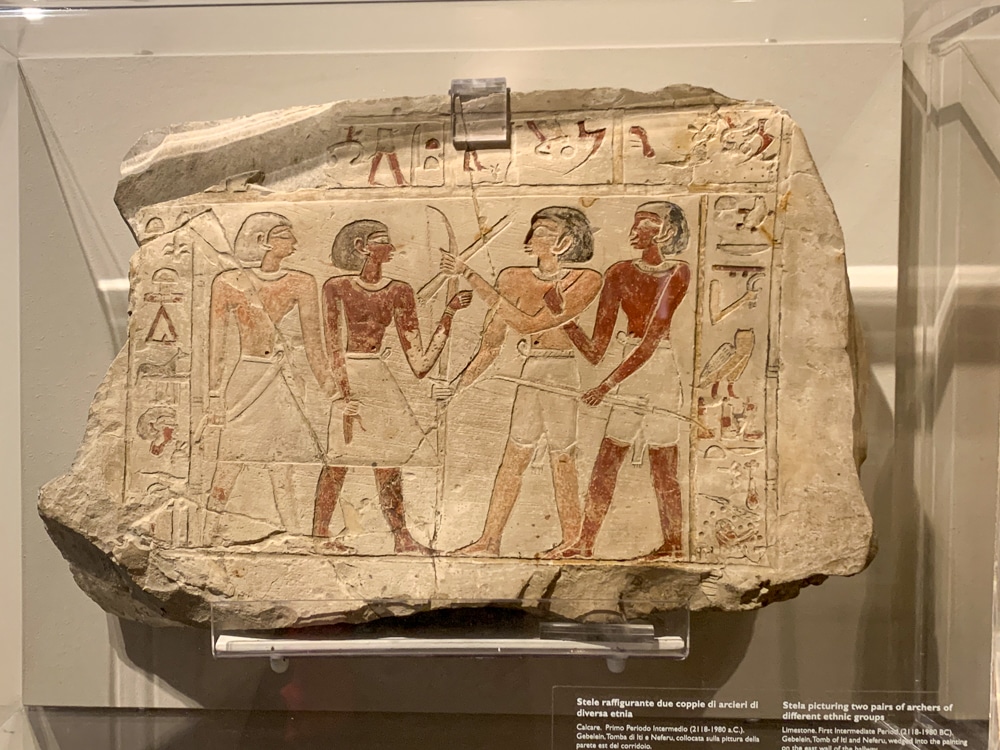
The Turin Egyptian Museum is the oldest of its kind in the world. And although you might not be expecting such a cultural diversion when you’ve got all things Italy on your mind, this is one museum that shouldn’t be missed while visiting the city. Outside of visiting Egypt itself, this is the best Egyptian museum in the world.
Opened in 1824, the museum has awe-inspiring Ramses II statues, an extensive collection of papyrus scrolls, and a fascinating exhibition of items found in the tomb of Kha, the royal architect, and his wife Merit.
The museum is spread out over 4 floors and has its collection of 36,000+ ancient Egypt artifacts on display across nearly 130,000 square feet of space. I was particularly amazed by the museum’s collection of mummies both of animals and humans and the pieces on display from Kha and Merit’s tomb. It’s hard to believe that some of these pieces date back to 1400s B.C.!
To visit, you need to book tickets ahead of time. The museum is especially busy on weekends but even so, entry isn’t guaranteed on weekdays either unless you’ve booked your ticket in advance online.
7. Piazza San Carlo
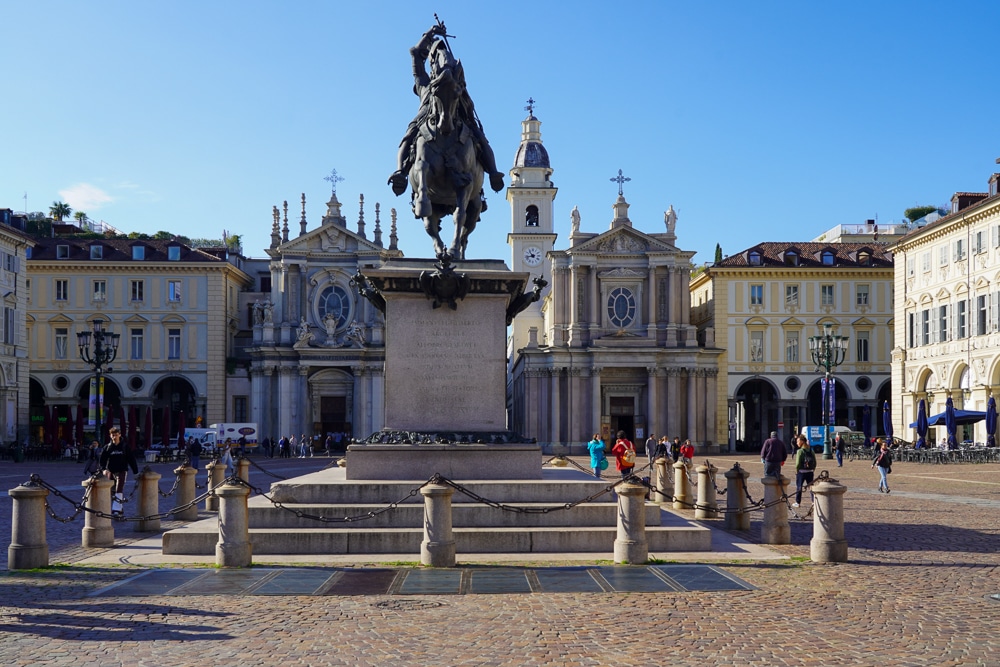
This Baroque square in the center of Torino dates back to the 16th century and is surrounded by classic porticoes and a statue of Emanuele Filiberto in full battle armor with his sword while sitting atop his horse. He was a Duke of Savoy and honored with this statue by King Charles Albert of Savoy, his royal ancestor. It’s also a great meeting point in Torino!
The square is quite elegant and nicknamed “il salotto” or living room. Under the porticoes of Piazza San Carlo, you’ll find two of Torino’s historic cafes perfect for lounging.
Caffe San Carlo and Caffe Torino date back to the mid-1800s and have kept their historic charm. Sitting among the refined buildings in the square, the atmosphere is classically European. This ambiance comes at a bit of a premium, though, as you might expect. The prices at these cafes are higher than you’ll find outside of the square.
If you decide to sit outside under the porticoes at Caffe Torino, look for the bronze bull on the ground. You might notice passersby stepping on the bull’s family jewels. The bull has become a symbol of Turin and the act of stepping on this specific spot will supposedly bring you luck!
To sample some of Torino’s signature chocolates and other sweets, stop in at Stratta also located in Piazza San Carlo. This historic bakery and shop is as old as the square’s famed cafes and is known for delicious gianduia, bite-sized Piemontese chocolates mixed with a hazelnut paste, and other confections.
Piazza San Carlo is also home to the “twin churches,” Santa Christina and San Carlo, both of which are worth a short visit to admire the ornate Baroque architecture style inside.
Before you leave the square, take a moment to locate one last historical remnant. If you’re facing the twin churches on this side of the piazza, look up at where the buildings on your left end. You’ll notice a silvery-looking rounded object stuck in the building’s facade. This is actually a cannonball from the siege of Turin in 1706 by the French!
Lastly, don’t be in a hurry to leave the area. There are shops, restaurants and pedestrian-only walking zones along popular streets like Via Giuseppe Luigi Lagrange.
ProTip: If you’ve driven to Turin, there is a massive parking lot underneath Piazza San Carlo. It’s the perfect central spot to leave your car and set off on foot around the city.
8. Mole Antonelliana
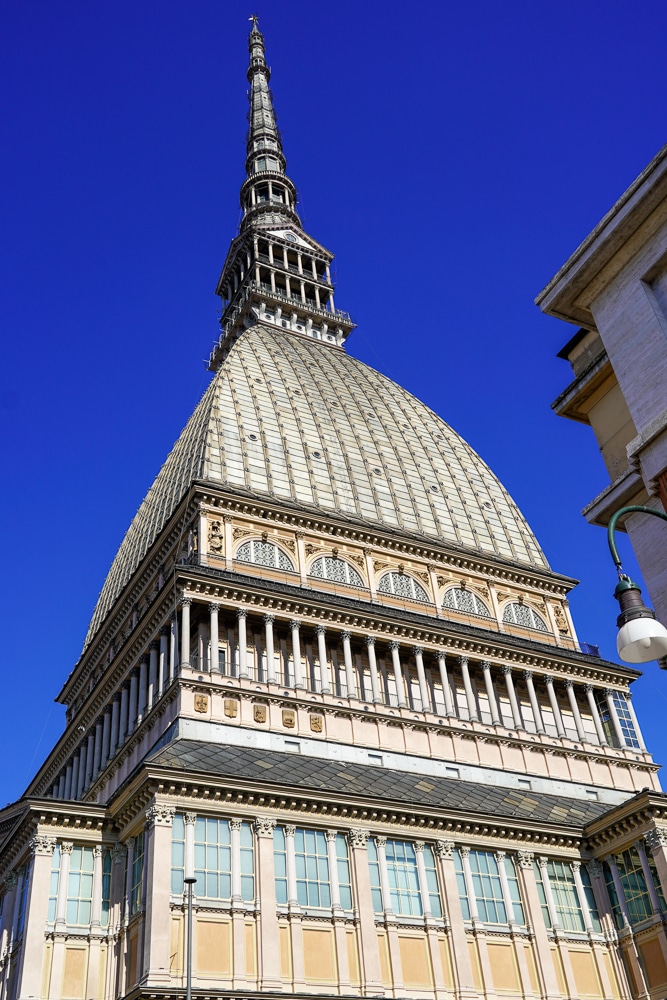
This iconic building is the symbol of Torino with its square-shaped dome and spire standing nearly 550 feet tall. It’s also one of the most visited places in the city.
Originally, the Mole (pronounced molay) was meant to be a synagogue, but when these plans changed, the city acquired it intending for it to be a celebration of Italy becoming a unified country with Torino as its first capital. Yet by the time the Mole was finished in 1889, Turin was no longer the capital city.
Nevertheless, it’s what makes Torino’s cityscape instantly recognizable today. All my Torino Winter Olympics gear has the Mole as part of its logo and I love walking through the city to find different vantage points for photos.
Today, the Mole is home to the National Cinema Museum and a Panoramic Lift and Terrace.
In the museum, you’ll find interesting displays about the evolution of moving images and how the tools and methods used evolved into the special effects, lighting, and sets of today. The museum also has exhibitions with movie memorabilia including some of the actual props and costumes used in some famous films.
At the center of the Mole is its Panoramic Lift that’ll whisk you to the Panoramic Terrace nearly 280 feet high. Unlike other elevators, the one at the Mole is made of glass and is operated only by cables. There’s no enclosure or surrounding walls around the elevator.
The ride up (and down) is a thrill in and of itself! But once you’re on the Panoramic Terrace, you’ll have views over every angle of the city and to the jagged peaks of the Alps that feel close enough to touch!
The best time to go up to the Panoramic Terrace is on clear days with good visibility so that you can see the incredible views. That being said, it’s hard to plan because you must book your visit ahead of time to guarantee entry.
Weekends are busiest, but no matter when I walk past the Mole, there’s a line of people waiting. You don’t want to be one of them. Keep in mind also that the Mole is closed on Tuesdays, another exception to the “everything’s closed on Monday rule” in Torino.
ProTip: If the elevator experience makes you uncomfortable, you can do the Cupola Ascent up to the Panoramic Terrace by stairs in every season except summer when it’s just to hot to do so.
9. Have a Bicerin at a Historic Cafe.
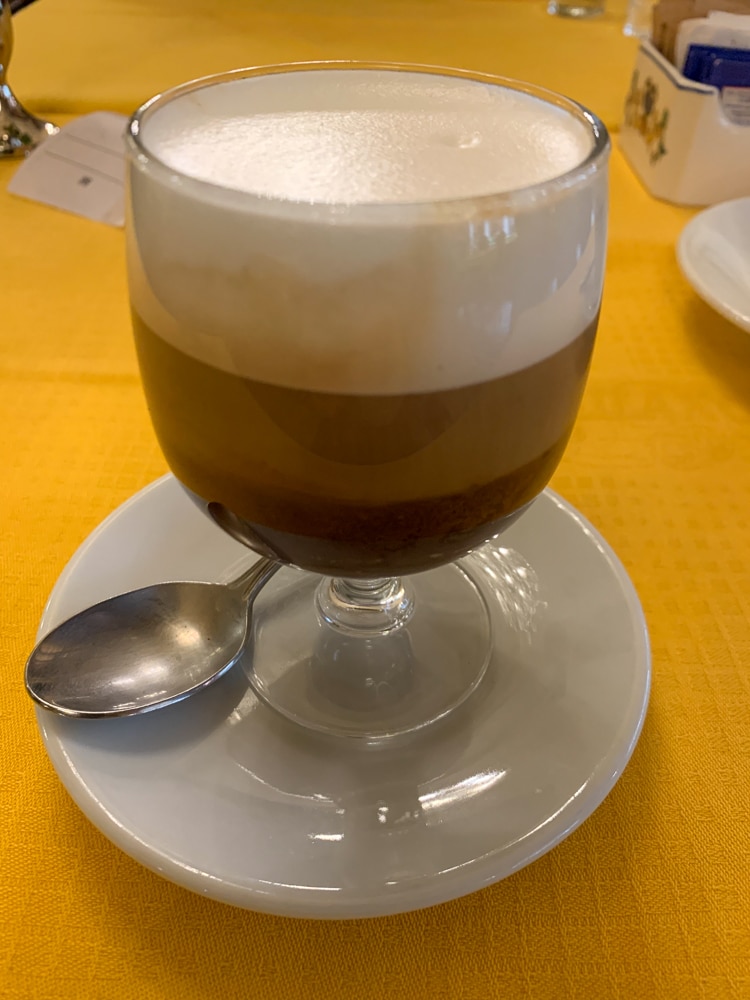
Whether it’s on your list or not, you won’t be able to resist Torino’s historic cafes and its signature coffee drink, a bicerin! They draw you in with their elegant decor and the wafting air carrying hints of chocolate and coffee.
I once walked into a Torino cafe to find 4 people seated at a table nearby dressed in long dresses, fine suits, and hats that seemed straight from the Belle Epoque in the late 1800s. The best part is, they weren’t at all out of place given the historic setting!
Cafes like Baratti & Milano, Caffe al Bicerin, Cafe Fiorio, Caffe Platti, and Caffe Mulassano have been established for hundreds of years and still have their gilded mirrors, marble countertops, and shimmering chandeliers. Caffe al Bicerin takes credit for inventing the drink, itself!
Regardless of which cafe you choose, you can’t come to Torino without having a bicerin. Layered with espresso, dark chocolate, and cream and served in a clear glass, the flavors of the bicerin will blend in your mouth with each sip. (Whatever you do, don’t stir!)
As you fall head over heels for this drink, take heart. The likes of Hemingway, Picasso, and Umberto Eco were all in love with the drink, too, so you’re in good company.
ProTip: If you’re at or near Baratti & Milano, don’t miss the chance to see the pretty Galleria Subalpina! There are tables in the center for the cafe’s customers to sit but the small shopping arcade with its pretty glass ceiling is open to the public.
10. Explore the flavors of Piedmont.
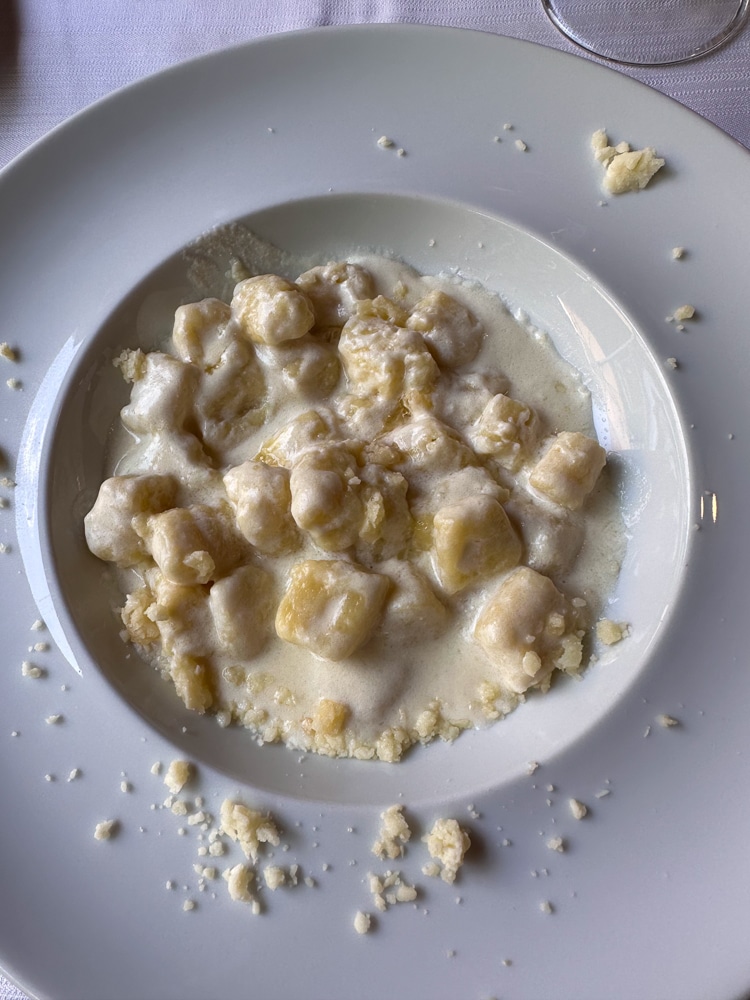
The region of Piemonte undoubtedly has some of the best foods in Italy. But I’m going to take a gamble and guess that it’s not the stereotypical Italian food you’re imagining. So, when you’re in Torino, the region’s capital city, you need to taste some of its signature dishes.
No matter where you go in Italy, you’ll quickly learn how climate and geography influence the local specialties.
Being situated at the foot of the Alps, Piedmont’s dishes are hearty and rich. Think pasta with truffles, polenta, hazelnuts, creamy cheeses like gorgonzola (mouth watering as I write it!) and castelmagno, and meat, particularly beef and veal. You’ll even find servings of raw beef, carne cruda, served as a main dish, or secondo.
When you’re in Torino, be sure to taste signature dishes like, agnolotti con sugo d’arrosto, a small stuffed pasta with meat served in a clear gravy sauce. You can also find vegetarian options served in a butter sauce.
Vitello Tonnato is thinly sliced veal with a creamy tuna sauce on top. I love tajarin, long, thin egg noodles, served in a variety of sauces like butter and truffles. Risottos are served with local vegetables or even with Piedmont’s most famous wine, Barolo…which is also used as a flavoring for cuts of beef.
If you’re looking for something really different, try bagna cauda. It’s a hot, creamy mixture made with garlic and anchovies for dipping raw vegetables and bread.
And luckily, when you’re in Torino, you’ve got plenty of delicious restaurants to try the best of Piemontese food. The city has everything from Michelin-starred restaurants to cozy places where you’ll feel like you’re being served a home-cooked meal.
ProTip: I can’t give you a list of Turin restaurants vetted by a food critic because, alas, I’m just a person who likes to eat good food. But I’ll share 2 restaurants in Turin that I love. Piola da Cianci is not far from the Turin Cathedral and Taberna Libraria is near Piazza Castello. Buon Appetito!
11. Indulge in Decadent Turin Chocolate!
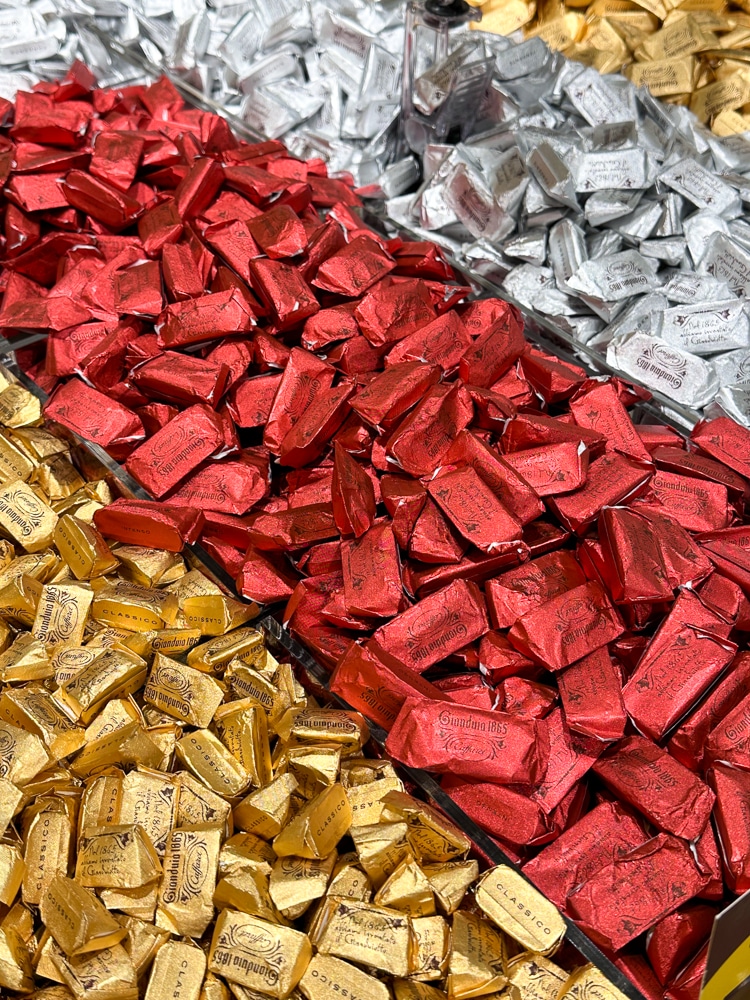
All good love affairs include chocolate. And Torino is not just another Italian (city) vying for your heart. It’s Italy’s chocolate capital. So then, it goes without saying that sampling as much of the city’s chocolate as possible is one of the top things to do in Turin!
Torino’s signature chocolate is called Gianduiotto (also spelled Giandujotto). It’s a wedge of heaven made from cocoa and hazelnut paste wrapped in gold. And how this insanely delicious creation was born is the classic tale of making lemonade out of lemons.
In the early 1800s, Napolean was flexing his muscles in a series of battles that ensnared Turin and parts of northern Italy. During this time, cocoa was harder to come by. So, being resourceful, the Italian chocolatiers in the area started making chocolates that relied partly on the region’s abundance of hazelnuts and it became a hit. The rest is chocolate history.
In addition to tasting and bringing some of these signature chocolates back home, you must have a cioccolata calda, or hot chocolate. Served in a mug with or without panna (whipped cream), you’ll get a warm cup of rich, melted dark chocolate. Save room for tartufo di cioccolata, cremino, and countless other Turin chocolate bites of happiness.
My favorite Turin chocolate maker is Caffarel. They have a location just 2 minutes from the Egyptian Museum. While you’re in the area, check out Cioccolateria Caffetteria in Piazza Carignano. I love their hot chocolates!
ProTip: Did you know that Turin isn’t only famous for chocolate? It’s also the birthplace of sweet vermouth! Give it a taste at Caffe Mulassano, Caffe San Carlo, or the more contemporary La Drogheria.
12. Stroll under Turin’s Portici.
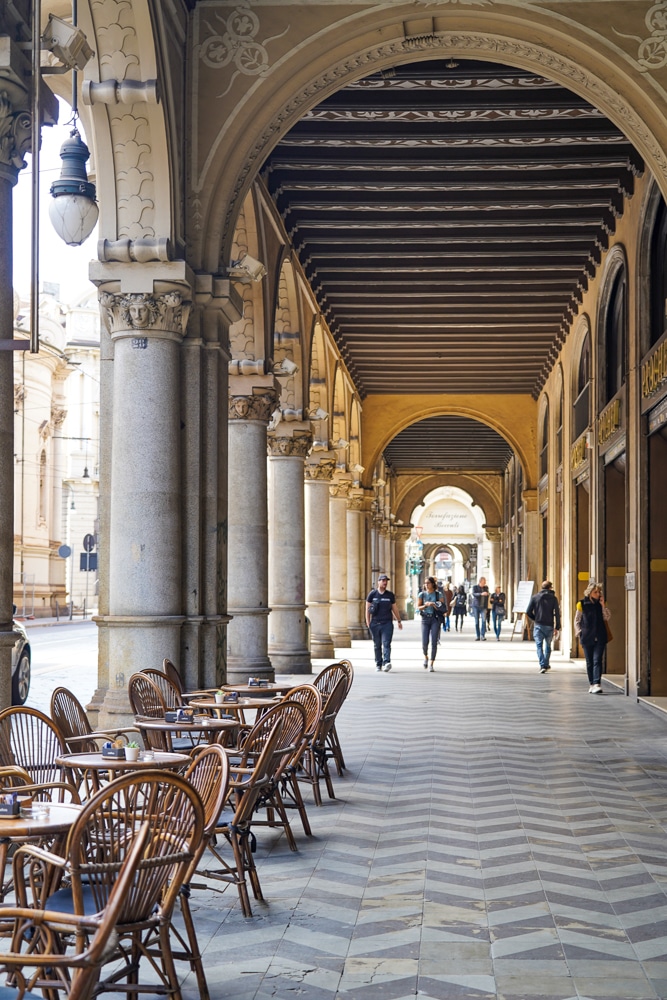
I love Turin’s portici. These covered arcades over the sidewalks are a big part of the city’s refined style. You’ll find elaborate columns and even some with painted ceilings for such a pretty effect!
The portici stretch on for miles, 11 of them to be exact with many of them being interconnected. So, it’s perfect when it’s raining or on days when the sun is strong. Rumor has it that’s why the Savoy King, King Vittorio Emanuele I, had the first sections built! He didn’t like the rain messing up his hair on his strolls toward the river.
You won’t have to look hard to find them. They run along many places like Piazza San Carlo, the streets opposite Piazza Castello, Via Roma, and Piazza Vittorio Veneto down to the river to name a few. As you stroll, stop to sit at a covered cafe, listen to street performers, and do some shopping.
ProTip: While walking along Via Roma, don’t miss the chance to stroll through the beautiful Galleria San Federico. It may not be as big or famous as the Galleria Vittorio Emanuele II in Milan but it perfectly captures the classic beauty you’ll find all around Torino.
13. Piazza Vittorio Veneto and the Ponte Vittorio Emanuele I
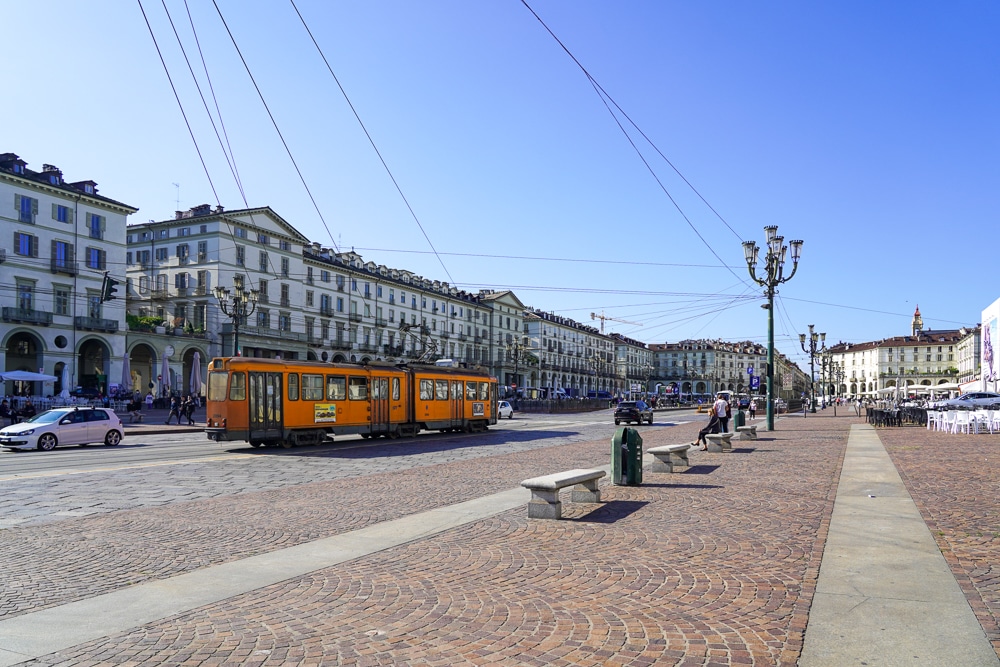
If you walk down Via Po away from Piazza Castello, you’ll soon find yourself in Turin’s biggest square, Piazza Vittorio Veneto. The square slopes gently down toward the Po River with Torino’s signature portici (covered walkways) along the perimeter of the square.
The square’s architecture classically aligns with the beauty of the city. It’s a lovely place to stroll through on your way to Monte Cappuccini or to sit at one of the many cafes for a snack, aperitivo, or just to people-watch.
For closer views of the Po River, cross the Ponte Vittorio Emanuele I, the oldest bridge in Torino. From the bridge, you’ll have pretty views of the river in both directions. Directly on the other side of the bridge is the neo-classic Gran Madre di Dio Church which is worth a look if you have a moment to spare. Otherwise, it’s ok to skip it.
14. Swoon over the Views at Monte dei Cappuccini.

Turin is such a unique city, especially because of its location set among the Alps. But you really can’t see the full gorgeousness of the landscape without getting some height to overlook the city. Luckily, you can do this for free and without too much effort.
Take the walk up to the Chiesa di Santa Maria del Monte dei Cappuccini. (Yes, that’s even a mouthful to type!) On a clear day, you’ll have amazing views of the city with its winding Po River and the Alps in the background. The church is in the Renaissance style and dates back to the 16th century. But it’s the panoramic views that steal the show.
It’s easy enough to reach by walking through Piazza Vittorio Veneto towards the river. Cross the bridge, Ponte Vittorio Emanuele I, and then go to the right and up the hill. In total, from the piazza, it’s about a 20-minute walk.
And the payoff is huge, especially on clear days when you can see the mountains together with the iconic spire of the Mole Antonelliana. If you go later in the day, you can watch the sunset and see the city lights as they twinkle on. Just make sure your camera or phone battery is charged so you can capture the stunning views.
15. Porta Palatina
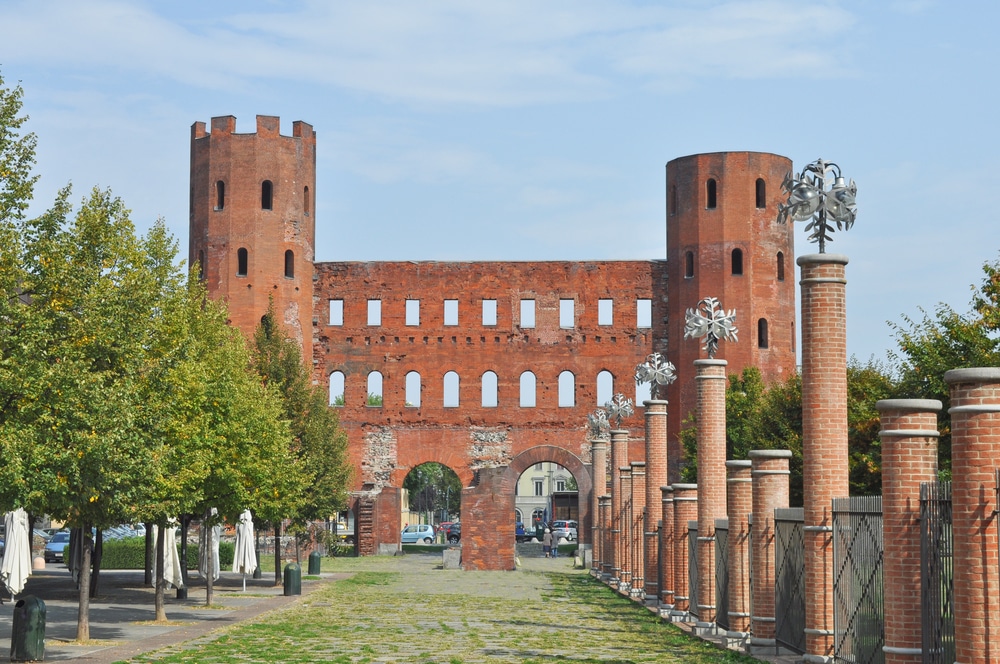
Walking along Turin’s elegant porticoed sidewalks and hopping from one museum to the next, it’s easy to miss the city’s best Roman ruins, Porta Palatina and the nearby Archaeological Park with ruins of a theater and the ancient city walls. But it’s such a pity because when you’re visiting the Royal Palace and the Duomo where the Holy Shroud is kept, you’re just steps from these ruins.
Porta Palatina dates back to the 1st century B.C. and today is one of the best surviving Roman gates in the world! During Roman times, it sat on the northern edge of the ancient city with its 2 polygonal-shaped towers roughly 100 feet tall. And although archaeologists and historians aren’t sure what was around the gate, the word “palatina” meant palace back then, indicating an important building of some kind was nearby.
Looking at the gate straight on from the stone pathway, you’ll notice 4 entryways. Pause and you can imagine the wagons coming and going from the city in the larger passageways at the center and people passing through the smaller arches. Given Torino’s strategic position at the base of the Alps, this would have been an active gate leading towards places like (modern-day) France, parts of Switzerland, and Belgium, all of which were part of the Roman Empire.
Over the years, Porta Palatina has gone through repairs, renovations, and restorations. After Roman times, it became a medieval fortification before being abandoned and largely neglected. It was nearly demolished in the 18th century but thankfully was saved from ruin. During the 1934 restoration. the 2 bronze statues of Julius and Augustus Ceasar were added. In 2006, Porta Palatina was restored again.
Porta Palatina and the surrounding ruins are free and open to the public to visit.
Best Things to Do in Turin – Depending on Time and Interest
16. Palazzo Carignano & National Museum of the Risorgimento
The unification of Italy, which happened in 1861, is a big deal in Turin. The city was the new country’s first capital. So, it’s fitting that the National Museum of the Risorgimento is in Turin. (Risorgimento refers to the unification of Italy.)
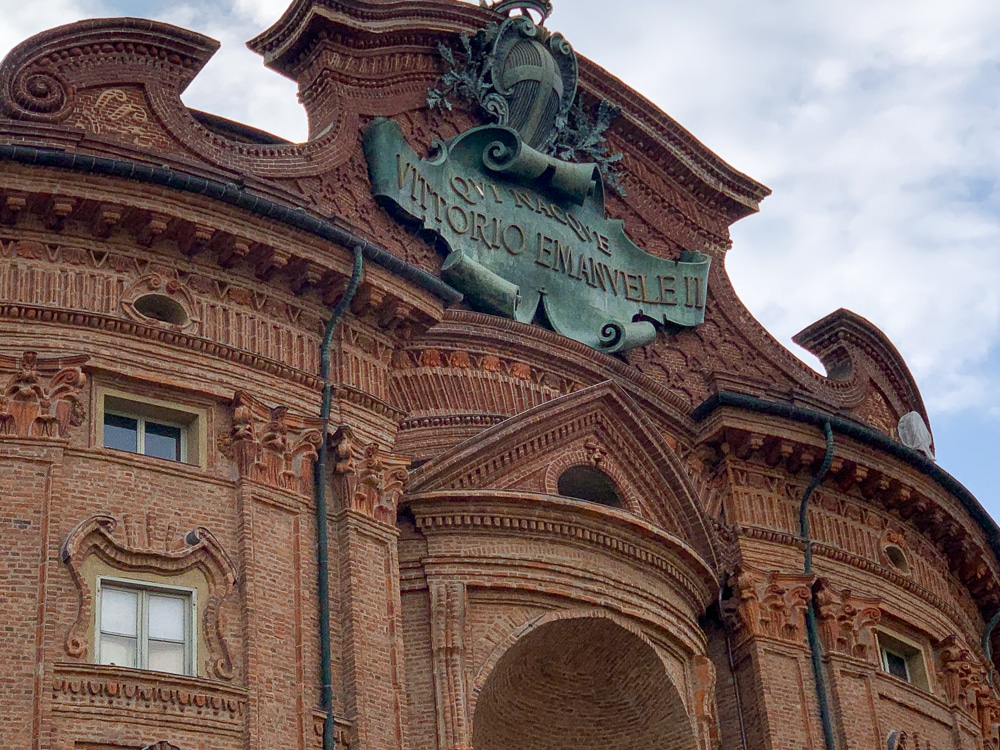
Situated in Piazza Carignano, one of my favorite squares in the city because of its refined architecture, the museum is inside the redbricked Palazzo Carignano which was once where Victor Emmanuel II, Italy’s first King after unification, spent some of his days.
The highlight of the museum is a gorgeous rounded assembly room where Italy’s first parliament had its sessions! It’s one of those rooms where you’re reminded of just how many incredible works of architecture exist in Italy beyond the main places everyone thinks of. It’s gorgeous.
In total, 30 rooms tell the story of how Italy became a unified country with the help of patriots like Giuseppe Garibaldi. Exhibits include maps, military campaign information, weapons, and artistic renderings. You’ll find signs in a variety of languages and immersive technology to take you back to 19th-century Italy.
As with most other museums in Turin, the National Museum of the Risorgimento is closed on Mondays.
17. Quadrilatero Romano
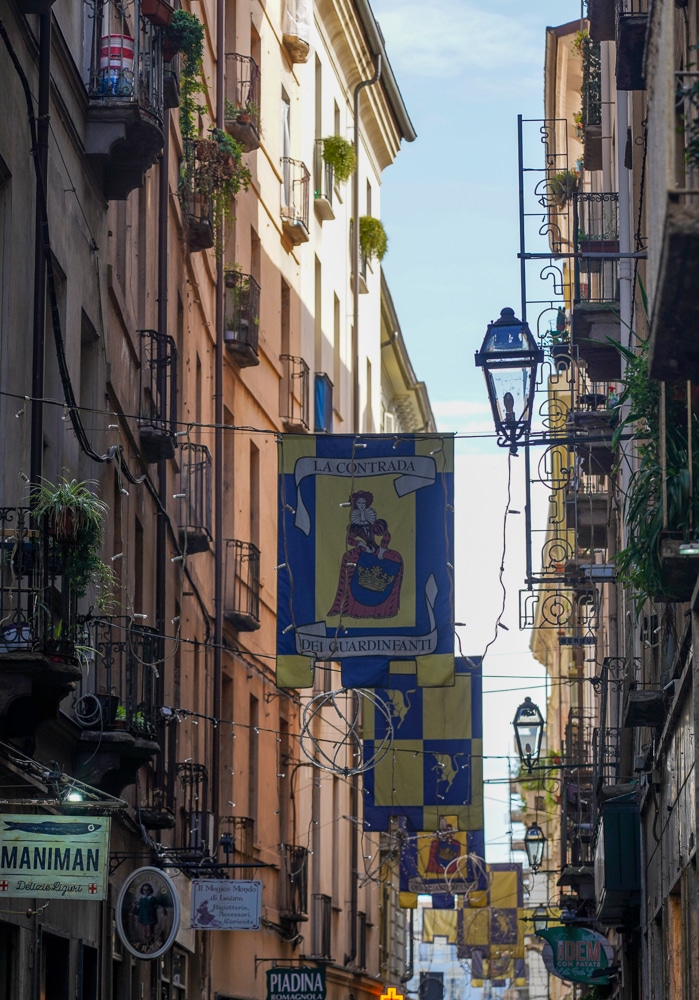
The Quadrilatero area of Turin is where the oldest part of the city is found. It’s here where the Roman settlement of “Augusta Taurinorum” began in 27 AD. Despite its age, though, not much of that Roman history is visible outside of Porta Palatina and the other Roman ruins just near the ancient city gate.
Even still, the Quadrilatero is a fun area to walk through. The narrow streets are lined with shops, restaurants, cafes, and apartments with street-facing balconies decorated with flowers and greenery. Overhead, you’ll see the yellow and blue flags which don’t have any significance to the neighborhood’s Roman past but do add a medieval charm as you walk.
It’s also in the Quadrilatero where you’ll find the iconic Caffe al Bicerin in the Piazza della Consolata. This is the birthplace of Torino’s famed drink, the bicerin. The square makes a nice stopping point to also admire the Santuario della Consolata. Step inside to see the mixed rococo and neo-classical architecture in the basilica and the crypt.
The neighborhood also has some lesser-known squares like the Piazza Solferino and the Piazza Statuto with a couple of beautiful fountains and statues to admire before moving on your way.
18. Galleria Sabauda
Galleria Sabauda (or the Savoy Gallery) is an art collection within the Royal Palace complex with more than 800 masterpieces by Italian and European artists.
The Savoy Gallery showcases works of art that once belonged to Savoy Kings and nobles dating back to the 16th century. There are paintings by important Piemontese artists from the Renaissance, as well as works by famous artists like Rubens, Angelico, and Reni. As a history buff, I really liked seeing the Bernardo Bellotto paintings that showed scenes of Torino from hundreds of years ago.
Note that you can’t purchase a ticket just for Galleria Sabauda, you have to get a ticket for the whole Palazzo Reale complex at the main ticket office. The ticket also includes entry to the palace, armoury, and archaeological museum. But if you’re short on time, focus on the Palace Staterooms and the Armoury.
ProTip: There’s plenty to see at the Royal Museums. Your ticket is good for the whole day so hang onto it until you’re totally finished. You can take a break in the Palace Gardens or at the Royal Cafe for a bite to eat if you need to before moving on to another area of the complex.
19. Parco del Valentino & Po River
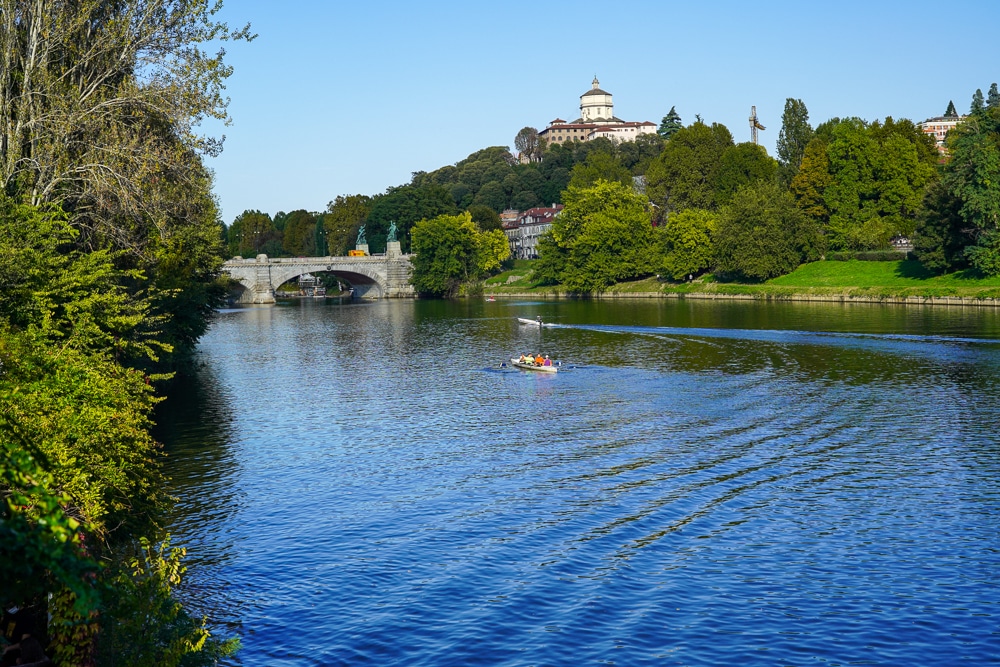
All great cities need a central green space and Parco del Valentino is Torino’s. Nestled on the west bank of the Po River, this charming park stands as one of Turin’s oldest, not to mention one of the best parks in all of Italy.
The setting is ideal, alongside the Po River and flush with towering trees, flowers, and birds. But there’s more to this park than just its natural beauty. Inside, you’ll discover a replica of a Medieval Village, winding pathways for walking and cycling, beautiful sculptures, and the grand Fontana dei Dodici Messi fountain.
The park is also home to the Castello del Valentino, one of the UNESCO-recognized Royal Savoy residences. Today, the Castello is home to a university for architecture but it can be visited by reserving a free guided tour.
Imbarchino is a pretty spot along the Po River to sit for a drink and watch the many rowers as they navigate the river.
Also, if you’re strolling through the park, look for the “Panchina degli innamorati,” or Lovers’ Bench. It’s a cute (and highly photographable) spot with 2 lampposts affectionately sitting next to each other.
ProTip: The streets running parallel and perpendicular to Parco del Valentino are part of the San Salvario neighborhood of Torino. The area has a great dining scene if you’re looking for something to eat. Particularly look at places in between the park and Porta Nuova Train Station like Lo Staglio for pizza and Scannabue for Piemontese classics.
20. Pinacoteca Agnelli & La Pista 500
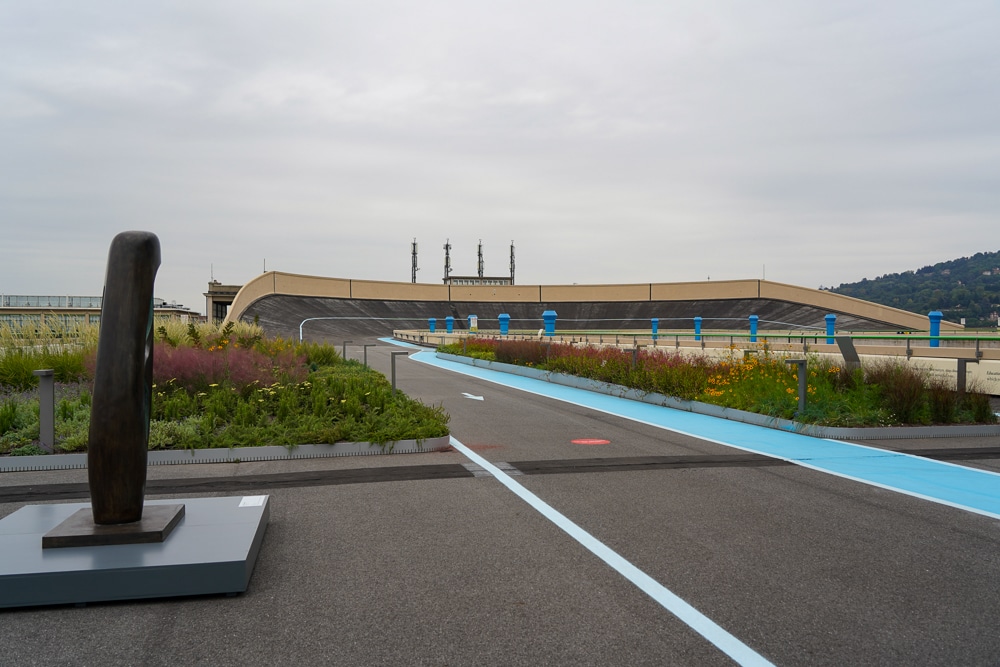
This small art gallery (Pinacoteca in Italian) at the top of the Lingotto complex is a special spot in Turin. More accurately, the gallery is in something called “The Scrigno,” a structure designed by famed Italian architect Renzo Piano to house the Pinacoteca’s art collection. The Scrigno actually hangs above the Lingotto’s rooftop. And I must admit, years ago when I was brought here by a local friend, I couldn’t imagine how anyone would know this hidden gem was here, and what a shame that would be!
The museum holds the art collection of Giovanni and Marella Agnelli. (And in case you’re not familiar with them, Giovanni Agnelli was the founder of Fiat and the Lingotto was where the first Fiat factory was.) Among its 25 pieces of art, there are paintings by Picasso, Renoir, Matisse, Manet, and Modigliani. The sculptures by Canova, too, are exquisite.
Outside the gallery is La Pista 500. When’s the last time you can say you visited an outdoor space for art on an oval rooftop that once was Fiat’s test track? Honestly, it’s chic, urban renewal at its finest! Plus, visiting on a clear day gives you sweeping views of the Alps.
ProTip: If you love taking cool photos, experiment with taking some shots of the spiraling ramp from inside the Lingotto complex. The ramp once led cars to the test track on the roof.
21. Gallerie d’Italia
Located in the 17th-century Palazzo Turinetti, this museum space is one of the newest in Torino, having opened in 2022. The space is huge and the museum’s exhibitions are varied from historic restorations and paintings to digital art flashing across video screens and temporary photography exhibitions.
On the “Piano Nobile” floor of the museum, you can tour some of the lavishly restored rooms of the baroque palace. Built during the same period as the Palazzo Reale, the rooms have gorgeous painted ceilings, gilded mirrors, sparkling chandeliers, tapestries, paintings, and sculptures that have been preserved from noble buildings across Torino from the 14th-18th centuries. There’s also a room dedicated to several large painted canvases from the early 17th century.
The photography and video art are displayed in the areas below ground level across more than 5,000 square feet of space. The exhibitions are meant to highlight the progression of sustainability and the environment. You’ll also find a photo archive of Intesa San Paolo, Italy’s main bank, who used the space as its headquarters for decades before committing to using it as a museum space.
As with most museums in Torino, the Gallerie d’Italia is closed on Mondays. If you visit during the week like I did, it can feel like you have the museum to yourself because of how big it is.
22. National Automobile Museum of Turin
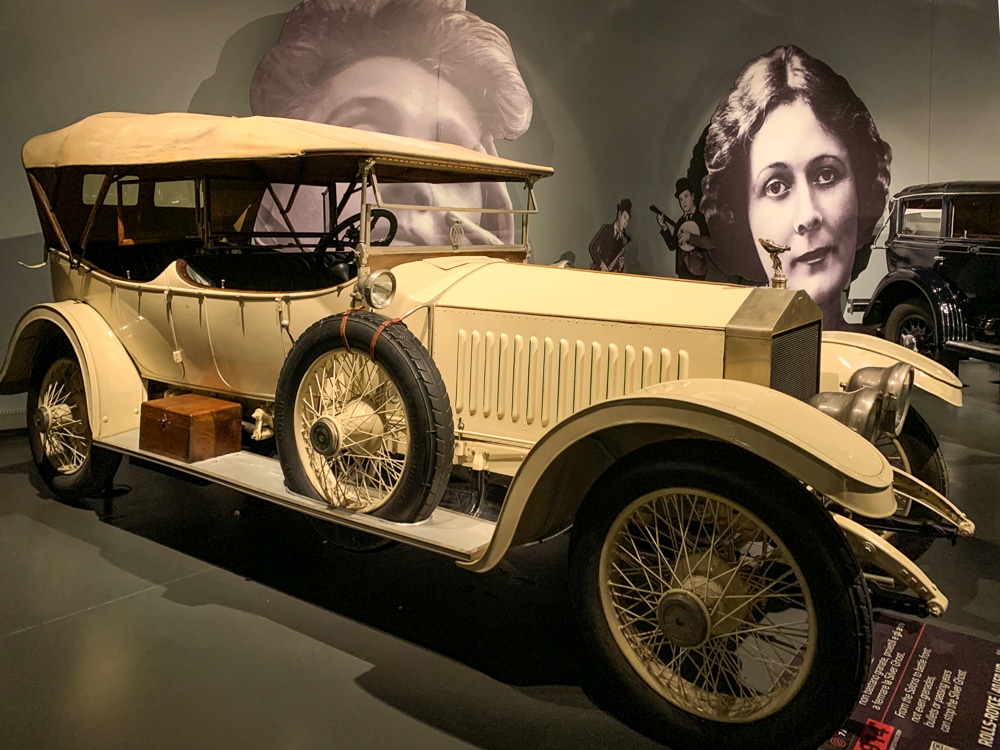
If you’re skeptical of dedicating precious vacation time to this museum, I get it. I’m whatever the opposite of a gearhead is. But I’m so glad I took my local Torinese friend’s advice and went! I’ve since been back with family who were visiting because it’s that well done.
First, start with the knowledge that Torino is the birthplace of Fiat so it’s a logical place for Italy to have a car museum. But the Museo Nazionale dell’Automobile goes back further to show the evolution of private transportation before leading you chronologically through its vast collection of vehicles and how they influenced and were influenced by the times.
As you twist and turn through the exhibitions, you’ll see vehicles from all different countries, makes, and models all within the context of showing the history of private transportation. The museum is interactive and you can also go with an audioguide which I found really interesting.
Bottom line: The museum is exceptional and well worth some of your time in Turin!
ProTip: The Automobile Museum is located a bit away from the historic center and Piazza San Carlo. Use Torino’s metro (M1) from teh Porta Nuova train station and get off at the Lingotto stop. From there it’s just a 7-8 minute walk to the museum.
23. Eataly Turin Lingotto
The name Eataly has become synonymous around the world with mouthwatering Italian food. With 43 locations across Europe, the Americas, and Asia, Eataly’s combined food hall and market is impossible to resist. But why visit in Turin when you can go to another location somewhere else?
Eataly Turin Lingotto is the original! It opened in 2007 and has since expanded globally. So, it only makes sense to see where it all started.
At Eataly, you’ll find delicious Italian dishes prepared fresh from one of the eateries inside. You can shop at the massive market for high-quality Italian products from fresh pasta to truffles and the best Barolo wines. Eataly also offers daily hands-on experiences that include cooking classes, market tours, and guided tastings.
Whether you’re a foodie at heart or just someone who appreciates a good meal, Eataly is a fun stop to add to your Turin itinerary. If you’re visiting the Pinacoteca Agnelli, La Pista 500, or Torino’s car museum, Eataly is just a few minutes away on foot.
24. Borgo Medievale Torino
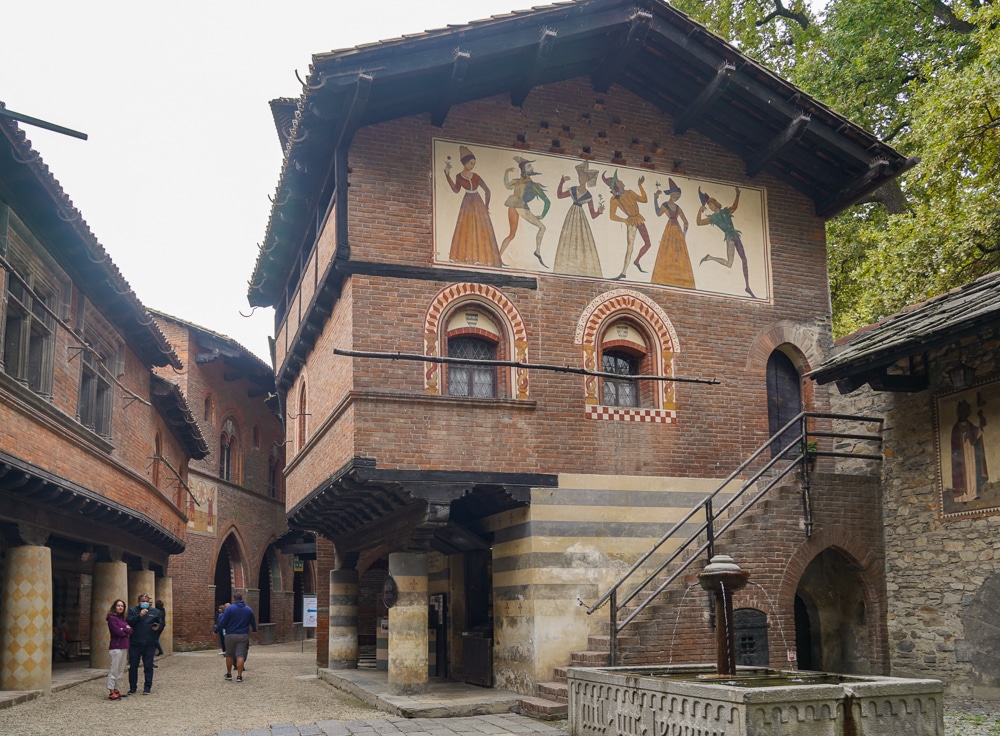
Inside Valentino Park, you can get a glimpse of Medieval living with a step back in time at Borgo Medievale Torino.
What’s particularly fascinating is the meticulous reconstruction of the medieval town. It was built at the turn of the 20th century using authentic medieval designs. Inside, you’ll find a variety of shops including blacksmiths, printers, and jewelers, where you can purchase everything from rings to swords and armor. It’s a fun stop if you want a unique souvenir from your trip to Turin. Plus, you’ll have the bonus of being in Parco del Valentino along the banks of the Po River.
You can stroll around a portion of the medieval site without paying, but if you want the full castle experience, there’s a tour available for a fee.
UPDATE: Borgo Medievale is closed for renovations until June 2026.
25. Porta Palazzo Market
Would you have imagined that the largest open-air market in Europe was right here in Turin?!
Every Monday to Saturday in the Piazza della Repubblica, you can shop for everything from fruits and vegetables to meats, cheese, and pasta, as well as for shoes, clothes, vintage items, and housewares, to name a few. (It’s impossible to list everything!)
What is certain, though, is that it’ll whisk you into a busy marketplace where you’ll be shopping alongside both locals and visitors trying to keep track of the areas where you’ve already browsed. It’s a lot of fun, and if you’re craving some ethnic food after one too many dishes of pasta, this is the best place in Torino to find it.
Also on Saturdays, you’ll find the Balon just next to the market. It’s a large flea market selling everything from antiques to books to anything your mind can imagine! On the second Saturday of the month, the Balon becomes the Gran Balon and grows to over 300 stalls, shops, bars, and restaurants.
Before you go, keep in mind that the market is safe, but given the crowds and chaos, you’ll want to be extra careful with your wallet or purse.
ProTip: Porta Palazzo Market is open for a full day on Saturdays, but during the week, closes by 2 pm depending on the section. You can check the exact hours for the day you want to visit here.
Things to Do in Turin – Off-the-Beaten-Path
26. Basilica Superga
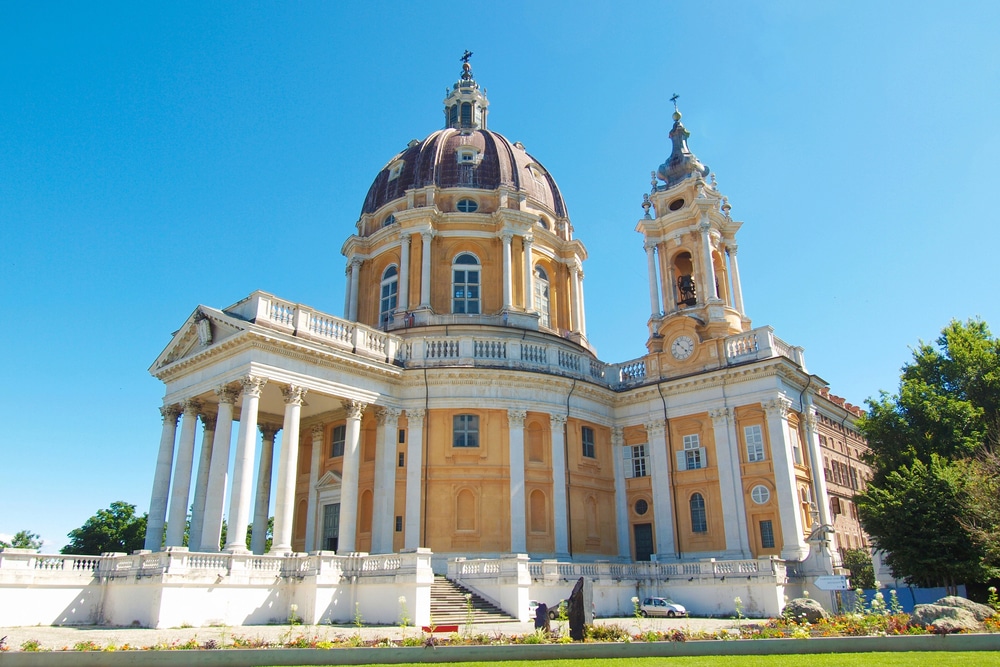
Sitting high on the hills overlooking Turin, Basilica di Superga is another fantastic thing to see in Turin. The historic baroque Basilica, built in the early 1700s, was designed by Filippo Juvarra who also worked on several Savoy residences including the facade of Palazzo Madama.
The Basilica is a huge part of Torinese history. It’s dotted with remarkable marble structures and a beautiful dome, and is where you’ll find the tombs of the Savoy family. It’s also possible to climb the dome’s 131 steps for panoramic views of the city and the surrounding mountains including impressive Alpine peaks like Monviso and Monta Rosa.
Entry to the basilica itself is free, but to visit the underground royal tombs and access the views from the dome, you’ll need a ticket. However, if you have the Torino+Piemonte Card, these areas of the Basilica are included.
To reach the basilica, take the Sassi Superga tram up the hillside. The Sassi-Superga tram station is a hike from the city center, so hop on the #15 tram from Piazza Vittorio Veneto to the Sassi-Superga stop. From there, it’s a couple of minutes on foot to the tram. The tram ride itself offers picturesque views and is well worth it!
If you prefer, you can also drive to Superga instead of taking the tram.
27. Turin Underground Tour
As with most historic cities, there’s a lot more than what meets the eye. Torino is no exception.
About 50 feet below street level is a maze-like world of 18th-century tunnels, World War 2 bunkers, and ice cellars that date back to Roman times and were used by royal kitchens to store food. These are spaces that can’t be accessed without a guide giving you the chance to see the city from a different perspective.
If you’re a history lover like me, you’ll totally geek out over this 3-hour tour. The city’s history and people have a deep connection to these underground chambers. As recently as the Second World War, residents used these bunkers to stay safe during bombings. You can read all you like about what it was like during World War 2 across Europe, for example. But when you’re actually standing in one of these air raid shelters, you can really imagine what it must have been like.
In addition to history lovers, this underground tour is great for anyone who loves to get off the beaten track from the main sights or has been to Torino before and wants to learn more about the city.
28. Villa della Regina
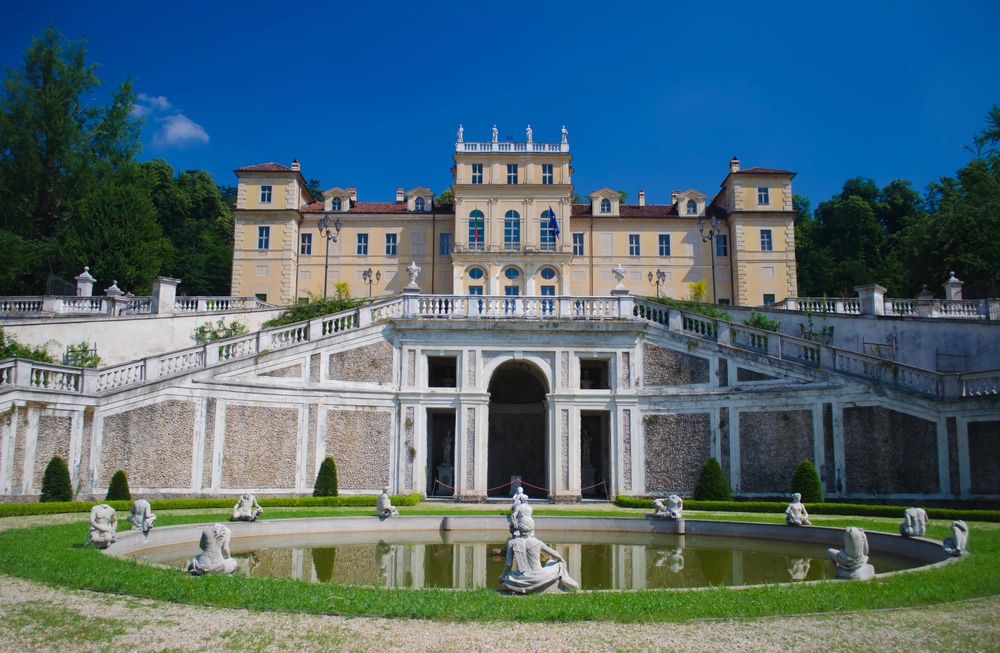
This UNESCO-recognized Savoy Residence is a hidden gem sitting on the hills above Turin’s city center. The 17th-century residence was beloved by Savoy queens and other nobles because of the escape it offered away from the city among the gardens and grapevines of the estate.
After suffering from damage and neglect, the Villa has been restored to reflect its former elegance. The frescoed walls, ornate ceilings, furniture, and paintings are as lavish as you’d expect from a Royal residence.
What is equally as striking are the views overlooking Torino. They’re stunning with the vineyards in the foreground, the Alps in the background, and the city in between. And even though you’re just a 25-minute walk from Piazza Vittorio Veneto (or a short ride on bus #56 to the Villa della Regina stop), it feels like you’re miles outside the city.
29. Fetta di Polenta
Located in the Vanchiglia neighborhood in Turin just a few minutes by foot from the Mole Antonelliana, Fetta di Polenta is a historic building that you can’t help but look at. It’s unbelievably thin with only 21 inches of space at its narrowest part. Fetta di Polenta, indeed! The building looks like a slice of polenta.
Designed by architect Alessandro Antonelli, who also designed the aforementioned Mole Antonelliana, the building’s actual name is Casa Scaccabarozzi and it was constructed in the 1840s. You can’t visit the inside of the building because it’s for private apartments but it’s absolutely one of Turin’s quirkiest architectural sights to walk past if you’re nearby.
30. Juventus
Whether you bleed black and white for Juventus or are just a football (soccer) enthusiast: don’t pass up the opportunity to visit the Juventus Museum.
The museum is dedicated to the history of football in Turin and Juventus, showcasing football memorabilia, photos, documents, football equipment, and the famous trophies won by Juventus and the women’s team. There are also interactive exhibits that’ll teach you more about the sport.
Exploring the museum also gives you access to exclusive areas of Allianz Stadium. You can even take a peek at the press room and locker room, and step onto the field level.
You can get a discounted entry to the museum with the Torino+Piemonte City Card.
Planning Your Turin Itinerary
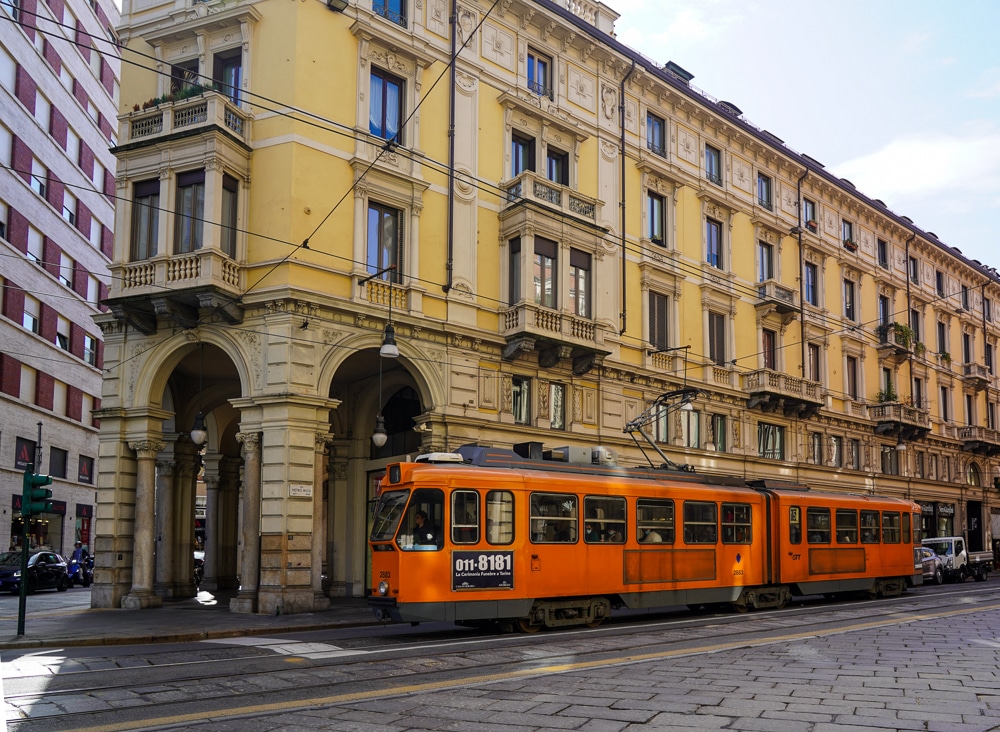
With so many fantastic things to do in Turin, it can be tough to know how to plan your time. What to do in Turin depends on your interests but there are some must-sees you won’t want to miss. Here’s a snapshot overview of how to plan your trip to Turin depending on how much time you have.
If you have 1 day in Turin…
With just one day in Turin, you’ll need to be efficient and prioritize top things to see and do with your own interests and travel style. Of course, it’s not enough time for everything but you can certainly plan a great day exploring this beautiful northern Italian city. Prioritize these top sights.
- Palazzo Reale
- Piazza Castello
- Duomo di Torino
- Royal Church of San Lorenzo
- Mole Antonelliana
- Monte Cappuccini
- Museo Egizio
- Piazza San Carlo
- A historic cafe for a Bicerin
- Taste some Turin chocolate
If you have 2 days in Turin
Use the above suggestions as a guide for your first day in Turin. Then, consider the following places below depending on your interests.
- Palazzo Madama
- Pinacoteca Agnelli & La Pista 500
- National Automobile Museum of Turin
- Gallerie d’Italia
- Parco del Valentino
- Borgo Medievale Torino
- Porta Palazzo Market
If you have 3 days in Turin (or more!)
There are plenty of things to do in Turin and the surrounding area for a longer stay! You could visit any of the above that you haven’t had time for yet.
Just a warning, though, about staying for more than just a couple of days. Torino could be the unexpected Italian city that steals your heart!
- Villa della Regina
- Basilica of Superga
- Take a day trip from Torino
Where to Stay in Turin
It’s ideal to stay in the “centro” because you’ll be within walking distance of most of Turin’s main sights. It’s also convenient if you’re arriving by train because Porta Nuova, the city’s main train station, borders the historic center. That being said, staying between the Po River and Porta Nuova or in the Vanchiglia neighborhood near the Mole Antonelliana is also convenient to the city’s top places to visit.
As you plan your trip to Turin, I recommend looking at these hotels.
- Turin Palace Hotel: 4-star hotel right next to Porta Nuova train station
- Hotel Principi di Piemonte | UNA Esperienze: 5-star hotel just steps from Via Roma and Piazza San Carlo
- Residenza dell’Opera: studios and apartments just steps from Centro
- NH Collection Torino Piazza Carlina: 4-star hotel 5 minutes on foot from the Museo Egizio
Torino + Piemonte Card

Whether it’s your first trip to Turin or not, it’s likely your itinerary includes some sightseeing. And as you’ll see from the long list of things to do in Turin below, there’s plenty to see and do! Depending on what you plan to see, the Torino+Piemonte Card could help you save a bit of money.
Museum and cultural site entry fees typically run around €15 per person on average. If you’re planning to visit just three of the included museums or castles, the cost of the 3-day Torino+Piemonte Card already shows its worth.
Here’s a list of some of the things to do in Turin that are included with the Torino+Piemonte Card.
- Borgo e Rocca Medievale
- Basilica Di Superga
- Juventus Museum (discounted entrance ticket)
- Pinacoteca Giovanni e Marella Agnelli
- MAUTO – Museo dell’Automobile di Torino
- Palazzo Reale Complex & Museo della Sindone
- Museo Egizio (Egyptian Museum)
- Museo Nazionale del Cinema (discounted Mole lift ticket)
- Museo Nazionale del Risorgimento Italiano
- Palazzina di Caccia di Stupinigi
- Palazzo Madama
- La Venaria Reale
What are the perks?
You get to choose a card duration that makes sense for you and your itinerary. If you think the Torino+Piemonte card will save you some money, get it ahead time so that you don’t have to visit a tourist office to purchase one once you get to Torino.
How to Get to Turin
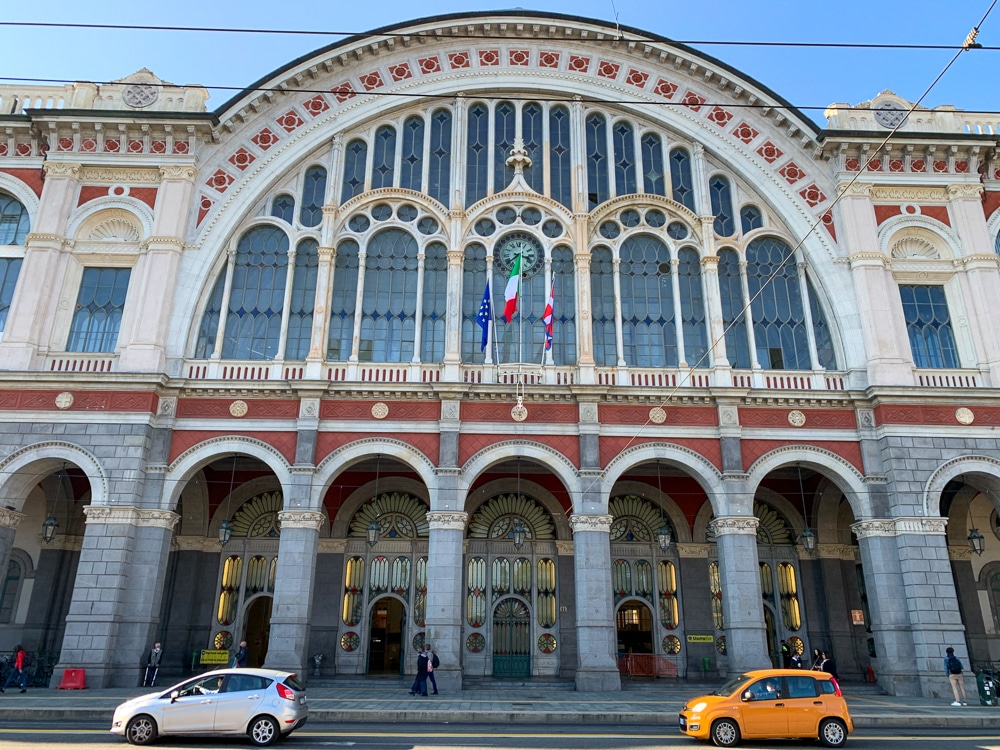
Turin is well-connected to other points in Italy and Europe.
The city’s main airport, Turin-Caselle (also known as Sandro Pertini) Airport is about 10 miles northwest of Turin. Airlines like Air France, KLM, and British Airways make connections in cities like Paris, Amsterdam, and London before heading to Turin. Budget airlines like Ryan Air and EasyJet also operate routes from many points throughout Europe to Torino.
There are no direct flights by any airline to Turin from North America. The alternative to connecting elsewhere in Europe first is to fly directly into Milan Malpensa Airport from the United States or Canada. From there, rent a car to drive to Turin or take the high-speed train from Milan’s central station. The train takes about 1 hour.
If you arrive at Turin-Caselle Airport, you can rent a car or take a train, bus, or taxi into the city.
The taxi queue is outside the arrivals hall and will cost about 35€ for the 30-minute ride into the center of Torino. Taxi meters calculate the fare so it’ll depend on the time of day and any traffic in the city center.
The 268 bus line leaves from outside the arrivals terminal and stops at Porta Nuova, the main train station in Torino’s center. You can buy tickets from the ticket machines or tourist office in the arrivals terminal or on the bus. It’ll take about 45 minutes to reach Porta Nuova Station.
You can also take a train from Turin Airport to the Porta Susa Train Station. As of January 2024, a train from the station opposite the Arrivals area runs 7 days a week between 6 a.m. and 10:30 p.m. for just under 4€. The ride will take about 30 minutes.
Porta Susa Train Station is Torino’s other station and it’s about a 15-20-minute walk to the city center. I’ve made this walk many times. It’s a straightforward walk but you have to consider your ability to walk with your luggage.
Instead of walking from Porta Susa, you can take Turin’s M1 Metro line for 3 stops to Porta Nuova which is closer to Via Roma and Piazzas San Carlo and Castello.
As mentioned above, if you’re driving to Torino, it’s about 1 hour 45 minutes from Milan and 2 hours from Genoa, while Alba or Asti are about an hour’s drive. Depending on where you’re coming from, you’ll likely arrive on one of the well-maintained autostradas (highways) that pass through Turin. Keep in mind these are toll roads but all toll booths accept cash and credit cards.
Turin is also well connected by train. You can easily arrive from cities and towns across northern Italy. The train from Milan is just an hour. Bologna or Genoa to Turin by train takes about 2 hours. From places like Asti and Alba, it’s 30-45 minutes.
ProTip: If you plan to drive to Torino, expect that it’s easier to navigate than busier Milan. That being said, beware of ZTLs, otherwise known as Zona Traffico Limitato in Italian. You’ll find them all over Italy and Torino is no exception.
Only residents or those with a special permit can drive in these areas. Others can face steep fines for driving on these streets. The best plan if you’re driving into Turin is to park your car in your hotel’s designated area or use one of the city’s underground parking areas to leave your car during your visit.
What things to do in Turin are you itching to see?
I admit it. I’m completely biased. I love Torino and wrote this mega guide to help you love it, too!
No trip to northern Italy is complete without spending time here. Surrounded by the Alps and full of elegance, this magnetic city has world-class museums and lavish UNESCO historic sites. And all of this is to be enjoyed in between tastes of the city’s decadent chocolate and Piedmontese cuisine.
Trust me. You won’t want to say arrivederci.
Like this post? Please share it on social media using the share buttons.

Thats a great list and very helpful! Many thanks!
Thanks for reading, Glen! Enjoy Torino!
Thanks for the extensive list and recommendations for Torino. Hats your perspective on visiting in December?
Thanks for reading, Jeannie. December in Torino is chilly but not frigid. It’s typically in the high 30sF/low 40sF. Best of all, though, the city is beautifully festive in December with Christmas lights strung across the streets in the historic center and christmas trees in Piazza San Carlo in front of the Royal Palace. I’d definitely recommend visiting. If you can, go after December 8th when the Christmas trees are lit up and the holiday lights switched on. 🙂