
When thinking about buying a home in Italy, who doesn’t skip right to the visions of sipping an aperitivo on your patio that overlooks a countryside laced with vineyards and olive groves?! I’ve been there, so I totally get it. But it seems your practical side has yanked you back to Earth (since you landed on this guide), even if it is just for a moment.
A few years ago, my husband and I bought a 5,000-square-foot house in northern Italy’s Piemonte region with my sister and her husband for 70,000 Euros. And we’ve spent the last couple of years renovating the house from top to bottom. Before getting to the renovation stage, it’s important to know a few things about buying property in Italy.
Aside from actually coming to see the house in person (a must!), I’ve learned from firsthand experience that these six things need to be done before you move ahead with your Italy dream house purchase.
Please Note: I am not an expert on Italian real estate law. I’m sharing what I’ve learned about buying a home in Italy after having done it myself.
1. Check that the House Plans on File Match the Actual House.

Every house has (or should have) architectural plans on file with the municipality. These drawings must match what is actually present in the actual house. If even one wall, window, or bathroom was added or moved without permission over the years, it could end up costing you a lot of money.
Not to mention, an added sun room, pool, or addition could be one of the reasons you love a house, only to find out it was illegally added and needs to be removed or taken down. You don’t want to find this out after purchasing or be the one who has to pay to make these changes.
Whenever any major works are done to a property in Italy, the changes need to be communicated to the town/village before the work begins. This is known as “CILA” or Comunicazione di Inizio Lavori. If these changes weren’t previously reported, insist that the seller retroactively correct the plans and pay the related penalty.
Any floor plan mismatches must be corrected by the seller before the sale of the house. Ultimately, the municipality doesn’t care when these changes happened or who did them. But whoever the current owner is must remediate these differences and pay the penalty.
Otherwise, once the sale of the house is final, you’ll be responsible for making the potentially costly fixes before moving ahead with your renovation project.
We had one small thing that was irregular and, fortunately, the seller had been proactive about taking care of this and presented us with all the updated documentation.
If you’re at all unsure about or uncomfortable with the process, first check this page with all of my buying a house in Italy resources.
2. Hire a Structural Engineer.
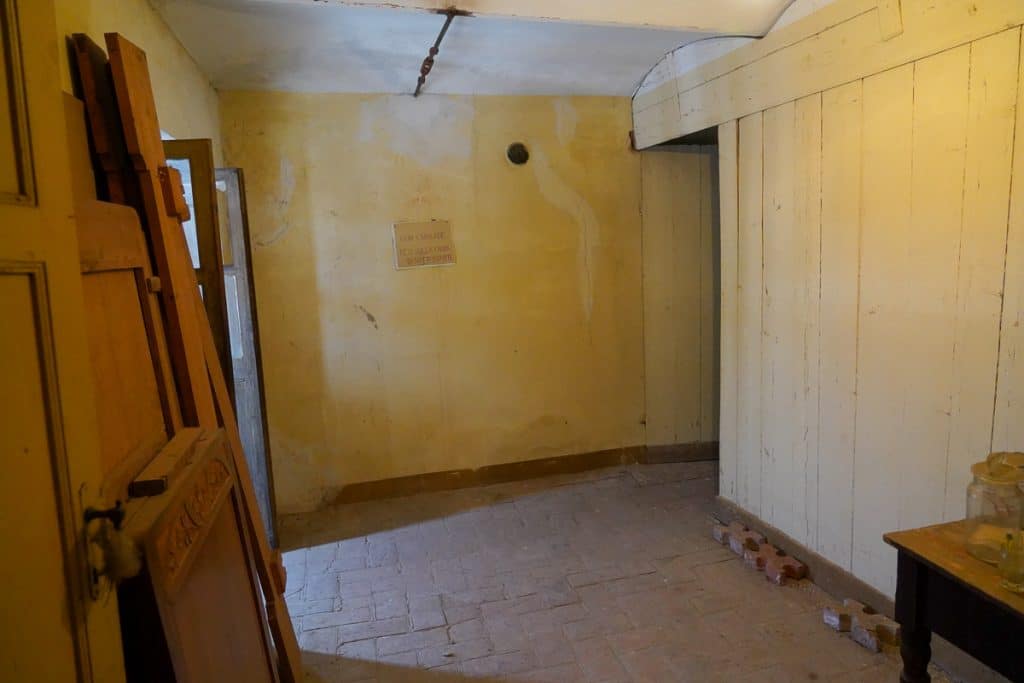
Houses in Italy can be old…like hundreds of years old, maybe more. In countryside villages or smaller towns, some of these properties may have been totally abandoned or neglected by families who no longer want or need the house.
If you’re looking at a house that falls into this category, hire an engineer to check the structural integrity of the house. They’ll make a report of the findings, which can help you decide if it’s a property you’d like to continue to pursue or not. You’ll also know upfront if and what structural work needs to be done before moving forward. Even if the house needs a full renovation, you want to avoid as many surprises as possible.
Our house in the region of Piemonte needed some structural work, and the engineer was able to explain everything and make a report for the geometra and builder to guide their work. She also gave us a ballpark estimate for needed repairs, which helped us plan our project and budget. Once the work began, our engineer regularly checked that the work was done correctly.
She also became an important ally when we hit challenges with the builder during our renovation project.
ProTip: Understand that old houses in the countryside may not have heat or plumbing throughout some or all of the house. If the house is outside of a village, it may also not be connected to the main water and sewer lines in the town. All of this, as well as any structural work, could mean not being able to save some of the historical details you love about the house.
3. Know Who Owns the House.
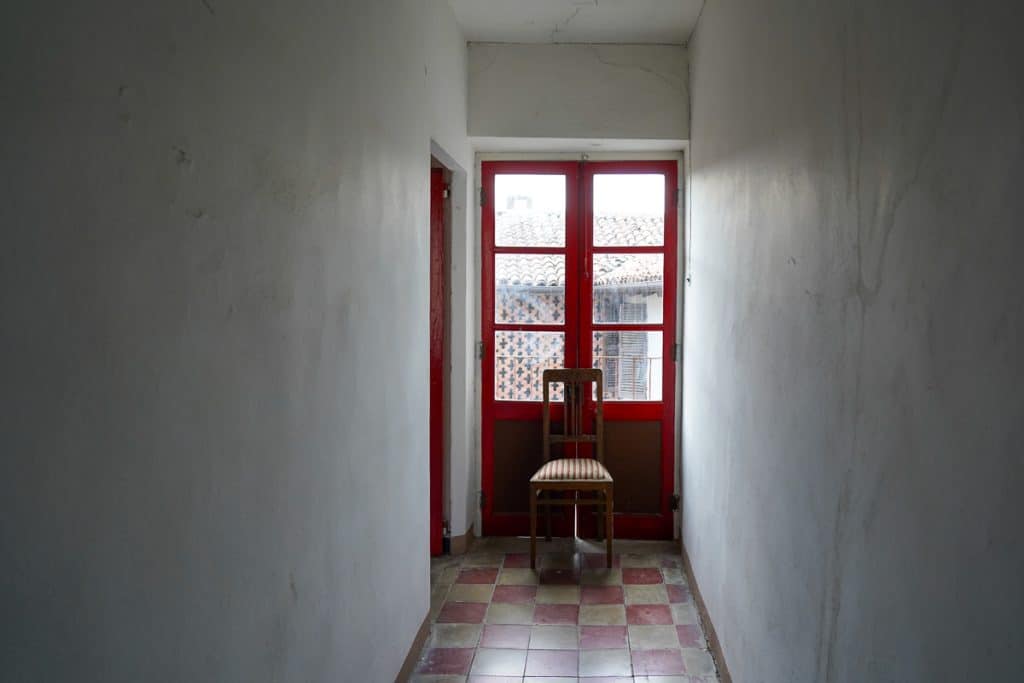
This might seem obvious, but always make sure you understand who is/are the owner/s of the house in Italy you’d like to buy. Houses are passed down through generations, and it’s not unusual for multiple family members to own a property jointly.
In these cases, all owners must agree to sell the house and on what terms.
I’m not an expert on Italian property inheritance laws, but I recommend focusing on properties with a clean line of ownership and as few people involved as possible. Otherwise, it could get messy, with you wasting time and potentially money (i.e. to visit in person, an engineer report), as you wait for a family squabble over selling the house to (maybe) resolve itself.
4. Ask Questions Before Buying in a Historic Center or UNESCO Zone.
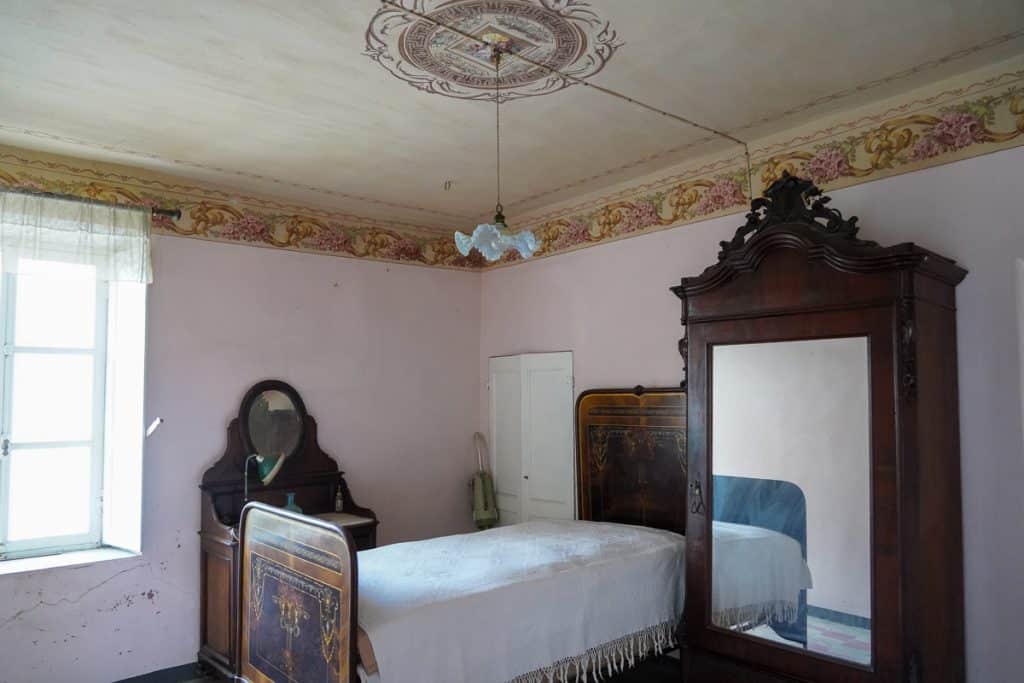
Many towns and villages have rules about what you can and cannot do in terms of renovating a property that is in a historic center or UNESCO Zone.
If the property you’re considering is in the center of a village like ours is, ask about these potential limitations. For example, let’s say you want to add a big, panoramic window to a room so that you can see a gorgeous view. (I’m speaking from personal experience here.) You may be refused outright, or in our case, could be limited to only a specific style of window so that it matches the house and the historic center.
Similarly, houses in UNESCO zones might be unable to add a pool because it changes the look of the protected landscape.
So, when you’re looking at a house and envisioning the changes you’d like to make, check with a geometra or the town that they would be allowed, even generally speaking.
In our case, we had to change the plan about adding a panoramic window, but we were approved to add two sets of tall window-doors to match the others in the room so that we could take advantage of the beautiful view beyond the brick wall.
ProTip: While it’s unlikely to be a deal breaker, understand that many villages have approved colors for things like shutters or the exterior of the house. If something like this would potentially be a problem for you, ask about this, too. You can also usually get clues by looking at the colors on the other houses in the village or town.
5. Understand What the Compromesso Means.

After your property offer is accepted, you and the seller will sign the “Compromesso,” which is the preliminary sales contract.
This document should have all the details outlined, like sale price, what’s included (i.e. furniture, land rights), and the closing date. It’s also at this point that you pay a 10–20% deposit.
Typically, this payment is handled by the notaio, who is the person who does the closing and legally files all the paperwork. The money will be held in an escrow account and is the safest choice for foreign buyers like we were. In some cases, the real estate agency can also handle the deposit.
At this point, it’s important to understand that the deal is locked in, so to speak. If you were to back out now, you’d lose your deposit. And if the seller backs out, they would have to pay you double the deposit.
Before signing the compromesso, make sure all the details are outlined in this preliminary contract or stop the process until things sorted out and you agree to the terms.
6. Factor in Added Closing Costs.

It’s easy to look at the affordable house prices in many parts of Italy without realizing some of the additional fees you’ll need to pay at closing, also known as the “Rogito.” Expect to pay anywhere between 10-20% of the sale price in fees, depending on your situation.
Regardless of how you found your house (i.e. real estate agent, for sale by owner), everyone needs to pay a registry tax.
If you plan to establish your residency in Italy and this house is or will be considered your primary residence, you’ll pay 2% of the cadastral value in taxes at closing. Otherwise, if the house is considered a second home, as in not one that will be your full-time residence either because you are a foreigner with no plans to live full-time in Italy or you already own another property in Italy, you’ll pay 9% of the cadastral value in taxes at closing. Your notaio should outline the exact amounts ahead of time so you know the exact amount of tax to pay.
You’ll also have to pay a fee to the notaio, usually about 1-2% of the property value.
Our house was for sale by owner, so these were the only costs we had to add to the purchase price. Houses listed by real estate agents include a commission, which gets paid at closing. If you hire a lawyer for the closing, which isn’t legally required in Italy, you’d also pay this fee.
We were also lucky because our notaio and seller spoke English, so we were able to review the final contract ahead of time and have everything explained in English without needing to hire a translator. If this isn’t the case for you, you’ll need to pay an additional fee for a translator to be at the closing.
Owning a Property in Italy is a Dream Come True…Just Understand These Steps First
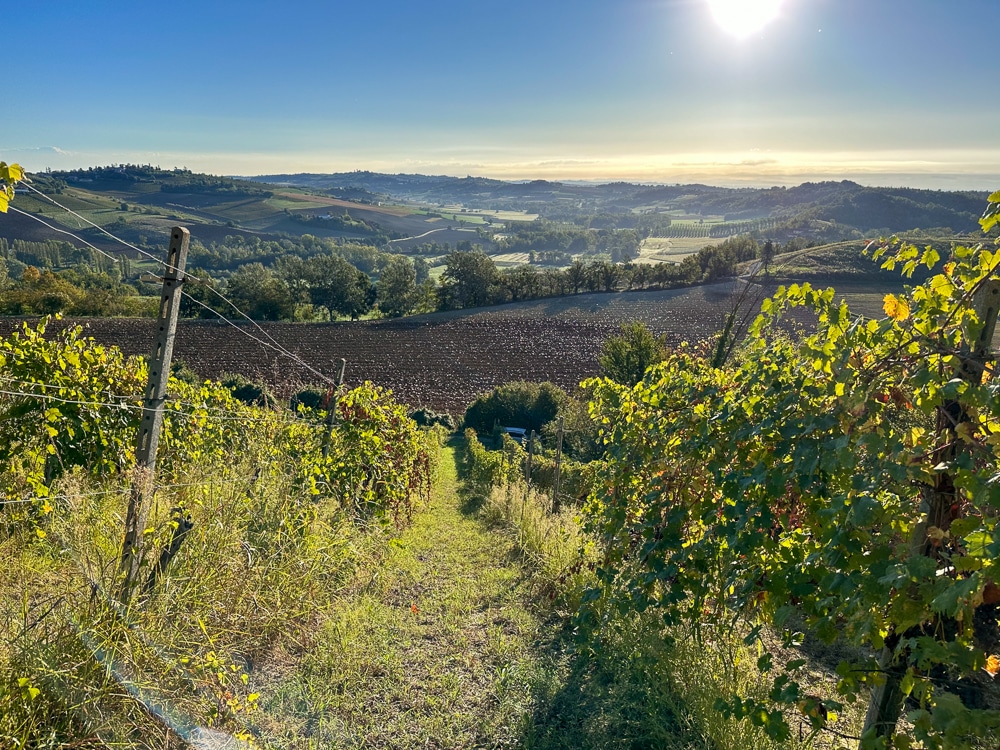
With all of this being said, please remember I am not an expert on Italian real estate law. I’m only sharing my firsthand experiences of buying a home in Italy as one part of our Italy house story. I truly hope this guide helps you avoid some of the pitfalls you might not realize as a foreign buyer.
Now, it’s time to get back to my aperitivo while fantasizing about the juicy grapes on the vines and the incredible Italian wine they’ll become!
If you have any questions, let me know in the comments. I always respond.
