Making a list of the best places to visit in northern Italy is definitely subjective. Everyone has their favorite spots or those places that just spoke to them.
But as someone who lives for part of the year in northern Italy and has spent a lot of time traveling around this section of Italy, I’m confident that the best places in northern Italy I’ve chosen for this guide should 100% be on your northern Italy bucket list.
I’m sure you’ll find some northern Italy places you expected but I’m betting there will be some places you didn’t expect, too!
So…Andiamo! In no particular order, let’s see what you think of my top places to go in northern Italy! 😉
1. Milan
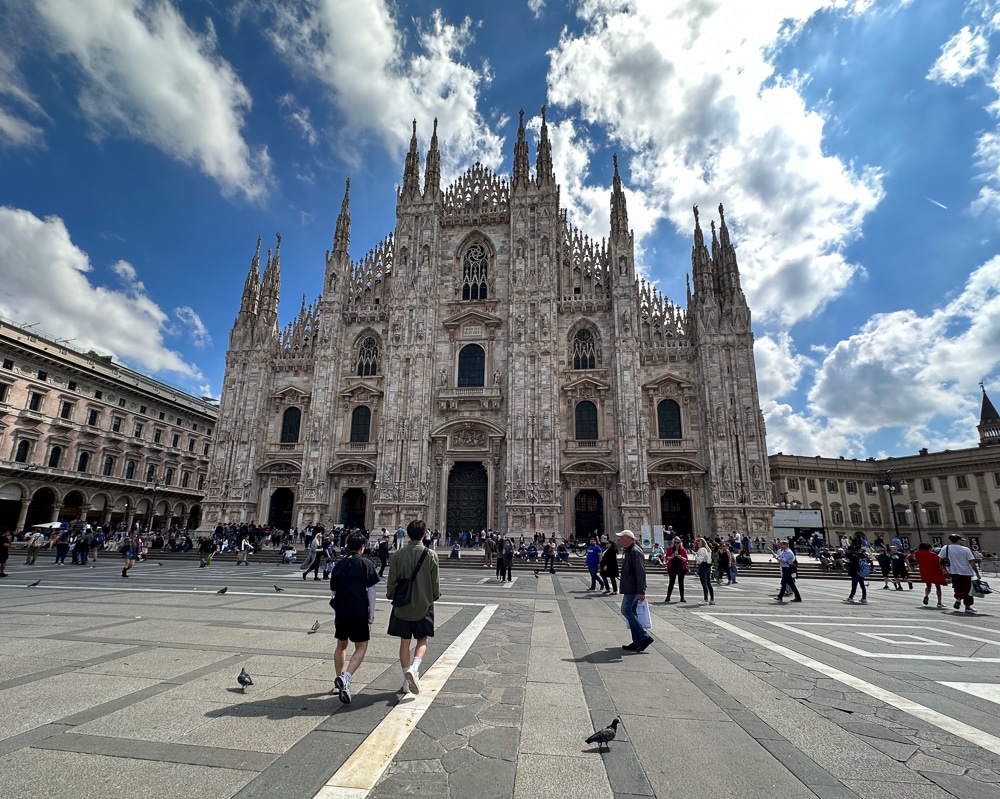
No surprises here. Milan is the capital of the Lombardy region and the biggest city in northern Italy. It’s important economically for Italy and the place where most travelers to northern Italy first arrive.
What I love about Milan is, of course, its elegant style! But even more so, the city is layered in history and culture. If you visit for just a day to see top sights, you inevitably miss a lot of what Milan has to offer. That’s why I recommend spending at least 2 days in Milan.
No matter how many times I’ve stayed or visited Milan (15x and counting), there’s always something I haven’t seen or done before. But if it’s your first visit to Milan, here are my tips.
Top Things to See & Do in Milan
- The Duomo: This stunning Cathedral is Milan’s crown jewel. It has more than 3,000 statues and countless gargoyles and figures decorating every inch of its facade up to the rooftop. Get your tickets in advance to avoid waiting in a line which gets very long in the peak summer season.
- Leonardo da Vinci’s Last Supper: One of the most famous pieces of art in the world, the Last Supper fresco is painted at the Church and Convent of Santa Maria delle Grazie. But get your tickets early. Visitors to see this UNESCO World Heritage Site are capped each day and tickets sell out sometimes months in advance.
- Galleria Vittorio Emanuele II: This spectacular glass-roofed arcade is every bit as beautiful in person! It’s perfect for window-shopping and Insta-worthy aperitvo photos.
- La Scala Opera House: Even if you can’t catch a show at this world-famous opera house, I recommend visiting the museum and/or doing a theater tour. It’s an unmistakable piece of Milan’s cultural history and lavishly gorgeous inside.
- Sforza Castle: You can walk into this 15th-century castle complex for free to see its corner towers and square shape. Inside the castle, there are several museums that include work by Michelangelo and a frescoed ceiling by Da Vinci.
What Most Visitors Miss in Milan
There are plenty of things I could add to this section but let me suggest these three things.
- Visit the Navigli district at sunset for an aperitivo along the canal. (Yes! Milan has canals.) This neighborhood is easily reached by the convenient Milan Metro.
- Don’t miss Raphael’s School of Athens drawing or DaVinci’s Codex Atlanticus at the Biblioteca Ambrosiana.
- San Maurizio al Monastero Maggiore is known as Milan’s “Sistine Chapel.” I couldn’t believe the stunning frescoes inside. There’s no other way to say it except they took my breath away.
2. Venice
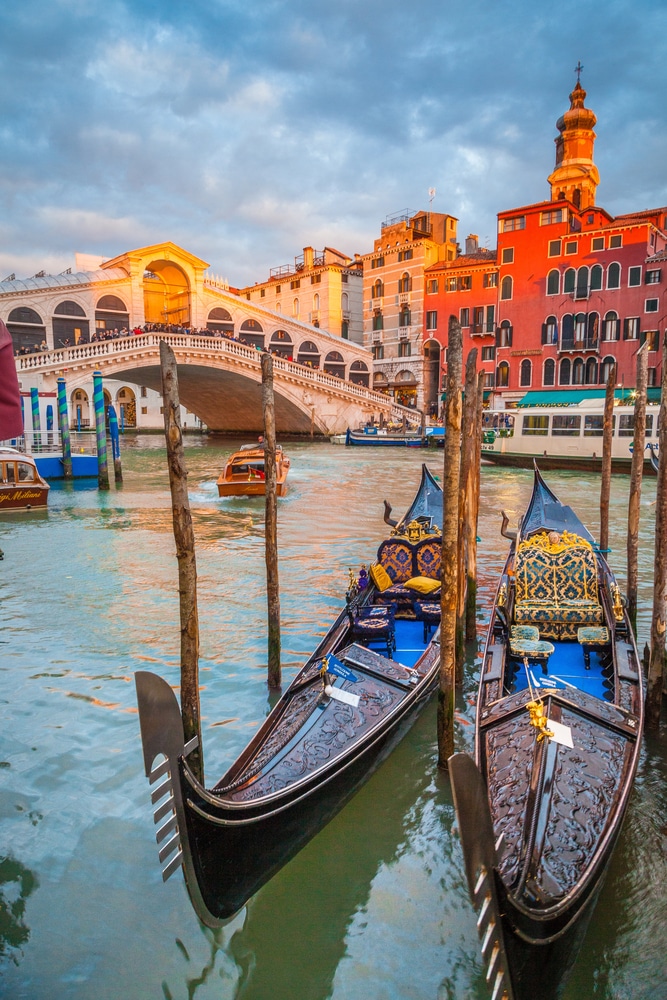
Venice needs no introduction. Built on wooden stilts, Venice’s maze of narrow streets and romantic canals are instantly recognizable. But no matter how many photos or videos you’ve seen, it’s one of those northern Italy places you must see to believe!
At the heart of the city, you’ll find Piazzo San Marco with its famous landmarks, the spectacular Doge’s Palace and Saint Mark’s Basilica and its bell tower. From there, the city is a winding labyrinth of canals and hundreds of bridges weaving their way through Venice’s distinct neighborhoods.
I visited Venice for the first time on my honeymoon and have since visited several times. On that first visit, we got lost within 15 minutes of arriving! But, if you’re doing it right, you will, too!
Venice’s beauty isn’t confined to the Grand Canal and Piazzo San Marco. You’ll see it everywhere you look so don’t hesitate to wander if you really want to see this iconic UNESCO World Heritage city.
Top Things to See & Do in Venice
- Take a gondola ride: It’s pricey but totally worth it. A lot of visitors like to take a gondola ride along the Grand Canal. But it’s also worth it to consider taking a gondola from other parts of the city to see less-visited, smaller waterways.
- Visit St. Mark’s Basilica: The extraordinary golden mosaics alone are worth a trip to Venice! The designs took about 800 years to complete and have incredible religious and cultural value. Be sure to climb the bell tower, too! The beautiful views of Venice are not to be missed! Get skip-the-line tickets to avoid a wait.
- Visit the Doge’s Palace: Called the Palazzo Ducale in Italian, this Gothic jewel was the center of Venetian power and where the Dukes of the republic lived. Inside, you’ll find the stunning Chamber of the Great Council. You can even get a Mysteries and Secrets ticket to see the old prisons that are connected to the Bridge of Sighs. Advance tickets are a must!
- Take a boat along the Grand Canal: This is the most iconic gondola route. But you can also take the #1 Vaporetto (one of many water bus lines) for a fraction of the cost to see the gorgeous splendor of the “Floating City.”
- Get lost: Not hard to do and also my favorite thing to do! Wander away from the crowds and you’ll always find something unforgettable about Venice you never realized was there.
Pro Tips for Venice:
- The restaurants in Piazza San Marco are fun for people-watching but pricey, as you’d imagine. Sit for a caffè but go elsewhere for meals. My recommendation is to eat in the Cannaregio district for a more local experience and at better prices.
- Trying local specialties is one of the most important rules for eating in Italy. In Venice, you must try the Cicchetti! These small bites are known as Venetian tapas and go perfectly with a glass of wine at a bacaro (local wine bar).
- To save money, buy a Vaporetto pass, especially if you’re staying in Venice for a few days.
- Have a plan for your arrival into the city. If you’re flying into Venice’s airport, this guide explains all the ways to get from Venice’s Marco Polo Airport to the city.
3. Verona
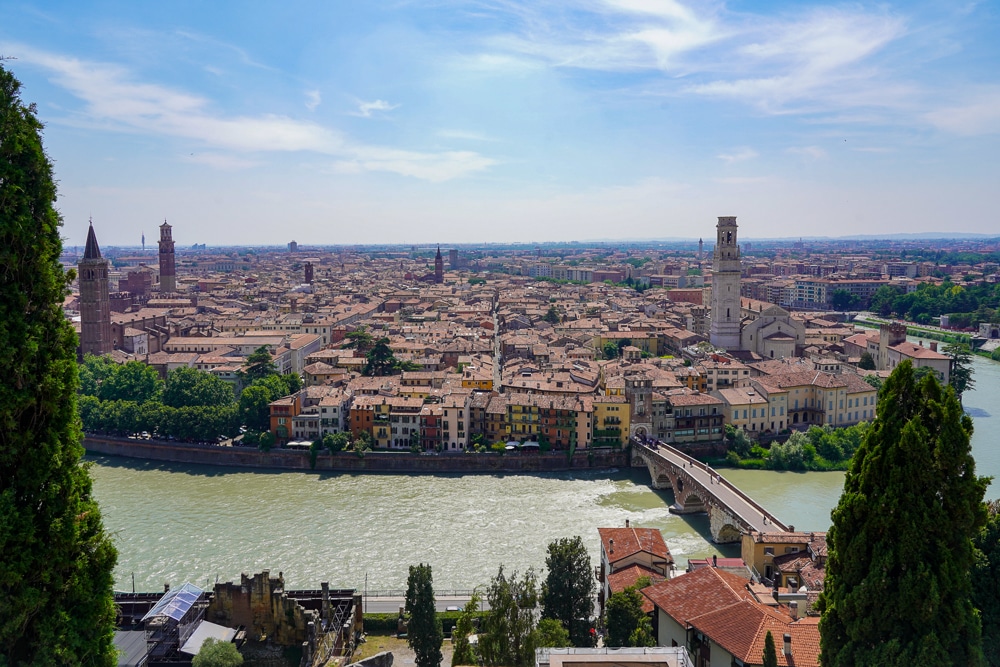
To say Verona is a gem in northern Italy is a total understatement. This city is drop-dead gorgeous and overflowing with a sense of poetry and love. Shakespeare was definitely onto something when he used Verona as the setting in his fictional tale of Romeo and Juliet. The city sweeps you away and wraps you in an air of romance!
Personally, I can’t resist and have returned to the city several times.
But Verona is also a city rich in history and the arts. The city is a UNESCO World Heritage Site with history going back 2,000 years. It sits in a strategic position in the region of Veneto making it valuable to powers like the Roman Empire, the Scaliger family during the Middle Ages, and later, the Republic of Venice.
Fortunately, you can see these layers of Verona’s history, art, and architecture as you walk through the historic center. Without a doubt, it’s one of the best places to visit in northern Italy.
Top Things to See & Do in Verona
- Arena di Verona: A must-see! This Roman amphitheater in Piazza Bra was built in 30 AD, making it older than the Colosseum in Rome.You can visit the inside or get tickets to one of the operas or concerts during the May to September season.
- Piazza delle Erbe: Aside from the market of vendors selling touristy gifts, this piazza is one of the prettiest squares you’ll lay eyes on. Just off the piazza, you can also climb to the top of Torre dei Lamberti for views of the city and the pretty Piazza dei Signori.
- Castelvecchio Museum & Bridge: Inside a 14th-century medieval castle and symbol of the powerful Scaliger family (a.k.a. Della Scala family), check out the art museum with exhibits showing Verona’s history from medieval times to present-day. Don’t miss walking the Castelvecchio (Scaliger) Bridge. You can climb along its walls for views of the Adige River and the city.
- Piazzale Castel San Pietro: Walk or take the funicular up the hill for beautiful panoramic views of Verona.
- Casa di Giulietta: Juliet’s House and balcony are touristy and not the real things given that the story of Romeo and Juliet is fictional. But, it’s fun to see the famous balcony and leave a love note. I’d skip seeing the inside of the house, especially if you’re short on time, and just take a photo of the house and balcony from the outside.
Verona Seasonal Highlights
- Tickets for Verona’s summer opera season sell out fast so get tickets early if you want to see a live performance in the Roman arena.
- If you visit from the end of November or during December, visit the Verona Christmas Market. It’s one of the best holiday markets in northern Italy.
4. Dolomites
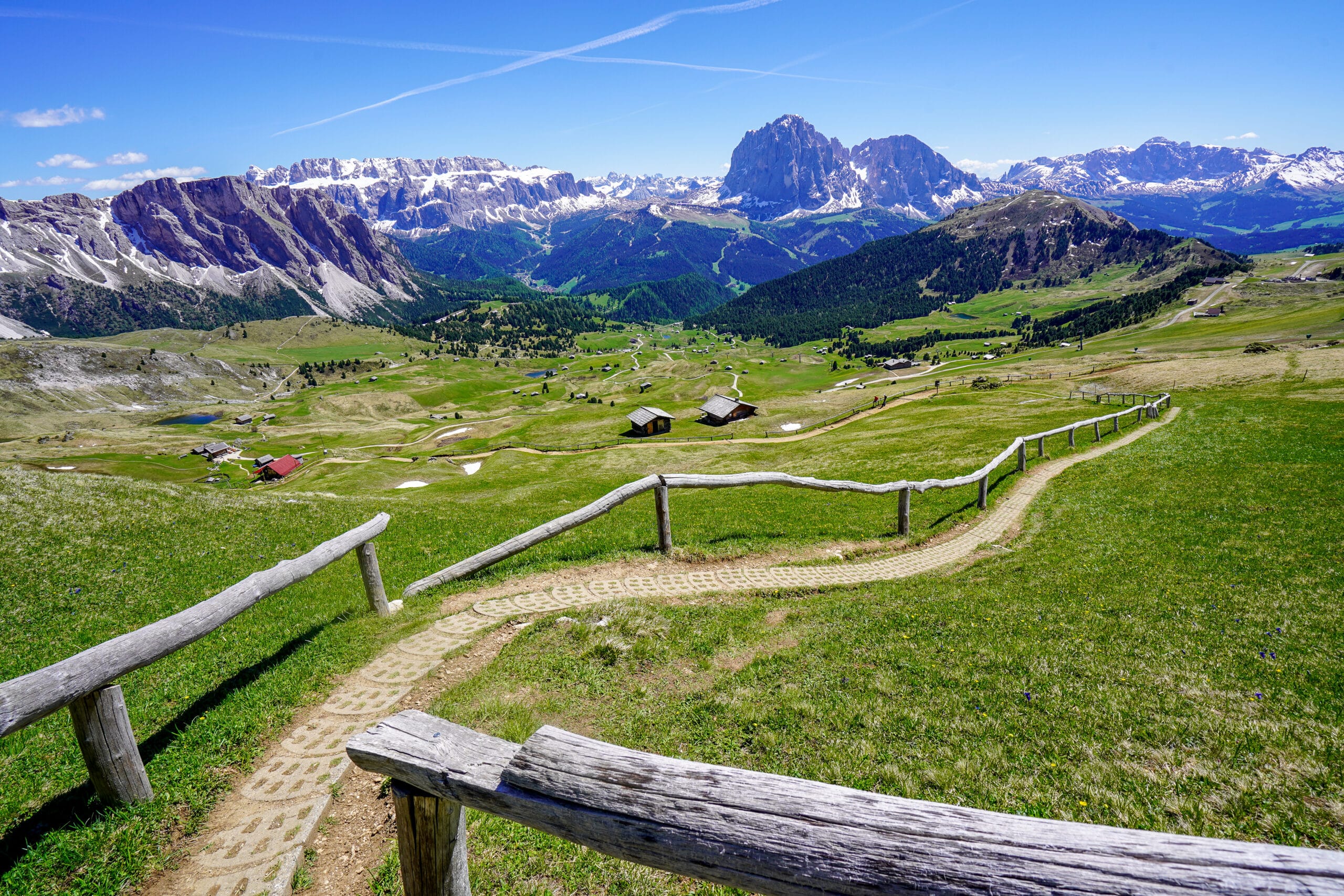
The UNESCO World Heritage Site Dolomites are a breathtaking mountain range in northeastern Italy. They deserve a top spot on your northern Italy bucket list, as well as on your Italy bucket list. These gorgeous, jagged peaks are absolutely one of the best places to visit in Italy.
I’ve spent many days hiking, skiing, and driving the mountain passes in the Dolomites, and I’m always in awe of the stunning peaks and valleys.
The best times to visit are during the summer, fall, and winter. This is when it’s best for hiking, mountain biking, and winter sports because, in the spring, the skiing season is winding down and many hiking trails aren’t open yet. In late September or early October, you get the bonus of the amazing fall colors.
Early June before the busier summer season starts could also be good timing. I’ve visited during this time and had no problems hiking. I also saw some grassy areas with wildflowers blooming in one spot and patches of snow still melting in others!
Lastly, parts of the area were once part of Austria. Most places have 3 names, one for each, Italian, German, and English. You’ll see these names on road signs and even as you search on Google Maps.
Top Things to See & Do in the Dolomites
- Hike: You’ll find endless possibilities. The Tre Cime di Lavaredo, with its iconic trio of peaks, offers amazing views and trails for all skill levels. I also love the trails at Seceda after the cable car drops you at the top, as well as the Alfred Munkel trail from Zanser Alm.
- Visit an Alpine Lake: The crystal-clear lakes of the Dolomites like Lago di Braies, Lago di Sorapis, Lago di Carezza, or Lago di Misurina are natural sights too beautiful to miss. All of these are easy to reach except Lago di Sorapis, which comes with a 60-90 minute hike to the lake.
- Take a cable car ride: If you’re not able to hike or just prefer not to, use one of the cable cars to get a bird’s-eye view of the stunning landscapes. From the town of Ortisei, cable cars whisk you to Seceda and the Alpe di Siusi, or head to Malga Ciapèla for the cable car up to Marmolada, the tallest mountain in the Dolomites.
- Ski in Cortina d’Ampezzo: This chic town hosted the 1956 Winter Olympics and is a joint host for the upcoming 2026 Winter Olympics. You’ll find slopes for all levels. Plus, the town is a fun place for non-skiers, too!
- Taste the local Trentino-Alto Adige cuisine: It’s a mix of Italian and Austrian foods and flavors. Look for canederli, a dish similar to gnocchi but made with bread and meat.
How to Get To and Around the Dolomites
- The best way to visit the Dolomites is by car. Public transportation in the Dolomites areas of the Veneto and Trentino-Alto Adige region is limited to sporadic buses. After visiting several times, I would never visit this area without a car and suggest you don’t either.
5. Italian Lakes Region
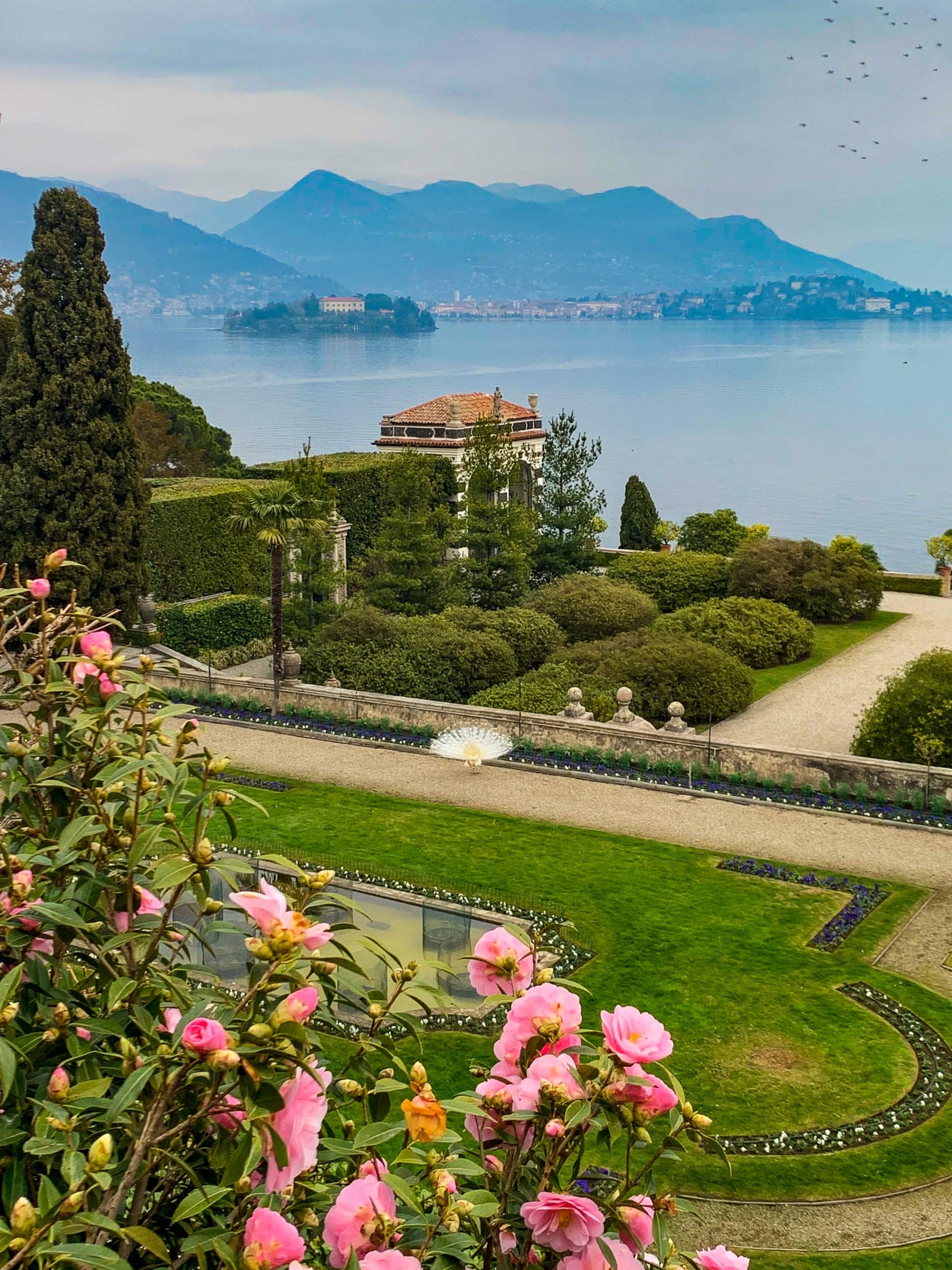
It doesn’t get any dreamier than the lakes in northern Italy! Lakes Como, Garda, Maggiore, Orta, and Iseo each offer stunning natural beauty, pretty lakeside villages, outdoor activities, and historic sights like medieval castles and Roman ruins.
Maybe you’re trying to decide between Lake Como or Lake Garda or you only have time for a Lake Como day trip from Milan. Or perhaps you want to do a tour of the prettiest towns around Lake Garda or discover Lake Iseo’s hidden gems.
Let me reassure you. You can’t go wrong!
Top Things to See & Do at the Italian Lakes
- Take a boat ride on Lake Como. The views of villas, small towns, and mountains are breathtaking. Visit one of the many lakeside towns like Varenna, Menaggio, Bellagio, or Lecco and enjoy a gelato or aperitivo.
- Visit Sirmione, one of the prettiest towns of Lake Garda. Must-see highlights include one of the best medieval Lake Garda castles and the Grottoes of Catullus, ruins of an ancient Roman villa from the 1st century.
- Visit Orta San Giulio on the shores of Lake Orta. Then, take the quick boat ride to the Isola San Giulio on Lake Orta. You can walk the Way of Silence, have lunch, and see the incredible medieval frescoes in the Basilica San Giulio.
- At Lake Iseo, take the boat to Monte Isola and wander through the car-free villages. Then, hike from Peschiera Maraglio to the Sanctuary of the Madonna della Ceriola for gorgeous views over the lake.
- At Lake Maggiore, don’t miss the beautiful Borromean Islands. You can depart on a quick boat ride from Stresa. Isola Bella is the most popular with a beautiful palazzo and garden to visit. Isola Pescatori is a good spot to have lunch and learn about the island’s fishing history. On Isola Madre, you can visit the 18th-century botanical garden.
Pro Tips about the Italian Lakes
- I suggest visiting in May, early June, or September if you want warm, pleasant weather but smaller crowds and better prices. Popular places at Lake Como or Lake Garda are uncomfortably busy during July and August.
- Use the ferries to get around Lake Como and Lake Garda. If you’ve rented a car, find a strategic lakeside spot to park and then use ferries to hop from town to town and avoid the single-lane roads that circle the lakes.
6. Turin
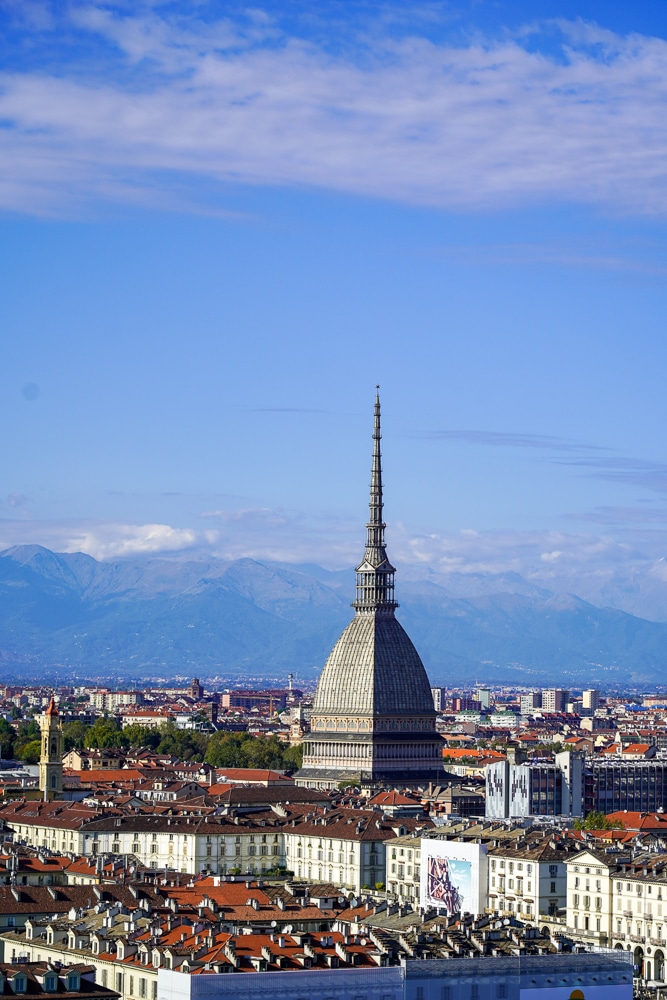
Turin may be one of Italy’s most important cities but it’s still a hidden gem in northern Italy for most visitors. Turin, Torino in Italian, is my second home and I’m there a lot. My house is in the hills of Piemonte just outside of the city. I’m absolutely biased but I also think it’s one of the best northern Italy places to visit!
It was home to the Royal House of Savoy and their now UNESCO-recognized grand palaces. The baroque and neo-classical architecture around the city is beautifully elegant and refined. You can visit grand open piazzas and stroll under miles of stone and marble porticos throughout the historic center.
Turin is also the birthplace of Fiat, has famous museums like its Egyptian Museum, and a to-die-for chocolate scene! Oh, and did I mention, Torino is on the edge of the Alps so on clear days you have stunning views of the cityscape with the mountains in the background!
It’s a spectacular city to sightsee and feel what real Italian city life is like.
Top Things to See & Do
- Don’t miss Turin’s Royal Palace: This UNESCO World Heritage Site was once the primary residence of Italy’s royal Savoy family. Expect opulent rooms and an incredible frescoed ceiling in the Royal Armoury at this top thing to do in Turin.
- Visit the Mole Antonelliana: Turin’s iconic spired landmark has a glass elevator you can take to the top for amazing views. Book tickets ahead of time, especially in the summer, to avoid long lines.
- Check out the Egyptian Museum: It has one of the largest Egyptian artifact collections outside of Cairo and is the oldest museum in the world dedicated to Ancient Egypt. It’s also one of Italy’s most visited museums!
- Eat (or drink) some chocolate: Turin is the chocolate capital of Italy. Be sure to taste the “gianduiotti,” a chocolate with hazelnut paste that originated in Turin. Then, head to one of the city’s historic cafes and sip a bicerin, a layered coffee and chocolate drink. Or if you prefer, try a thick Torino-style hot chocolate!
- Take a Day Trip: From Royal residences, ancient monasteries, and the heart of Piedmont’s famous wine region, there are a lot of great day trips from Turin to choose from!
One Perfect Day in Turin
- Start your day with a bicerin at Baratti and Milano before heading off to see the sights centered around Piazza Castello.
- After lunch, check out the views from the Mole or head to one of my favorite spots for city views.
- Get the complete one day Turin itinerary with a map with all the details!
7. Parma
Parma is a gem in northern Italy’s Emilia-Romagna region that I love visiting. Yet, compared to nearby Bologna, Parma gets a lot fewer visitors! And if I’m being completely honest, I can’t figure out why!
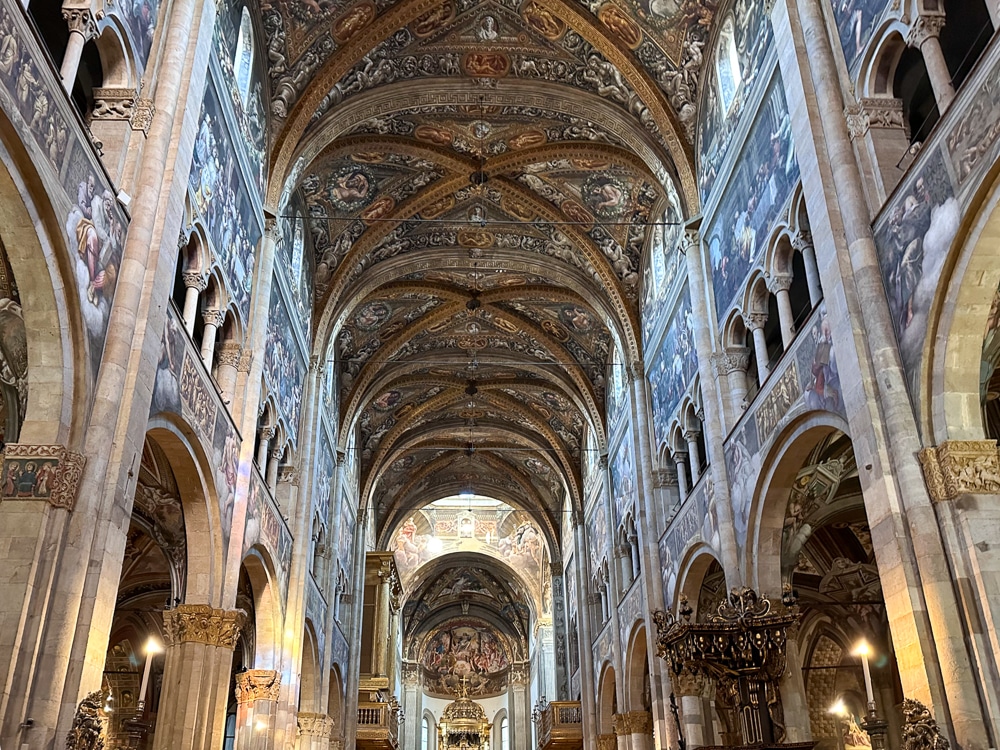
Parma has fantastic historical sights and museums, gorgeous Renaissance, Romanesque, and Mannerist art, and amazing food! The Parma Cathedral is one of the most beautiful in northern Italy, if not, all of Italy. Parma and the surrounding area are famous for Parmigiano Reggiano cheese and Proscuitto di Parma.
Beyond all of this, because the city isn’t jammed with visitors (yet), you can walk, explore, eat, and visit sites without feeling overwhelmed by the masses. It’s the perfect size for anyone who simply wants to enjoy some of Italy’s best sights and food away from the typical tourist spots while still checking items off a northern Italy bucket list.
Top Things to See & Do in Parma
- Parma Cathedral and Baptistery: This stunning Romanesque cathedral is a can’t-miss! In fact, you’ll probably want to visit more than once to see the frescoes inside again! The octagonal baptistery next to the Cathedral is no less impressive, from the pink-hued facade to the incredible artwork inside!
- Palazzo della Pilotta: This massive palace complex houses several museums, including the National Gallery with pieces by Coreggio and the impressive Teatro Farnese.
- Teatro Farnese: Inside Palazzo della Pilotta, this Renaissance wooden theater from 1618 was rebuilt after being damaged during World War II.
- Food Tours: Parma is famous for its prosciutto and Parmigiano Reggiano cheese. Do a tour and tasting to see how these famous foods are made.
- Castello di Torrechiara: Just outside Parma, this 15th-century medieval castle is a gem with well-preserved and unique frescoes that tell about the love story and lives of the nobles who lived there.
Pro Tips About Parma
- Emilia-Romagna heats up in the summer! I recommend visiting in the spring, fall, or even the winter, over the hottest months of the year. It’ll be a much more enjoyable visit!
- Parma’s Teatro Regio may not be as famous of an opera house as La Scala in Milan, but the performances are top-notch. Get tickets if your visit is timed with a performance!
8. Mantua
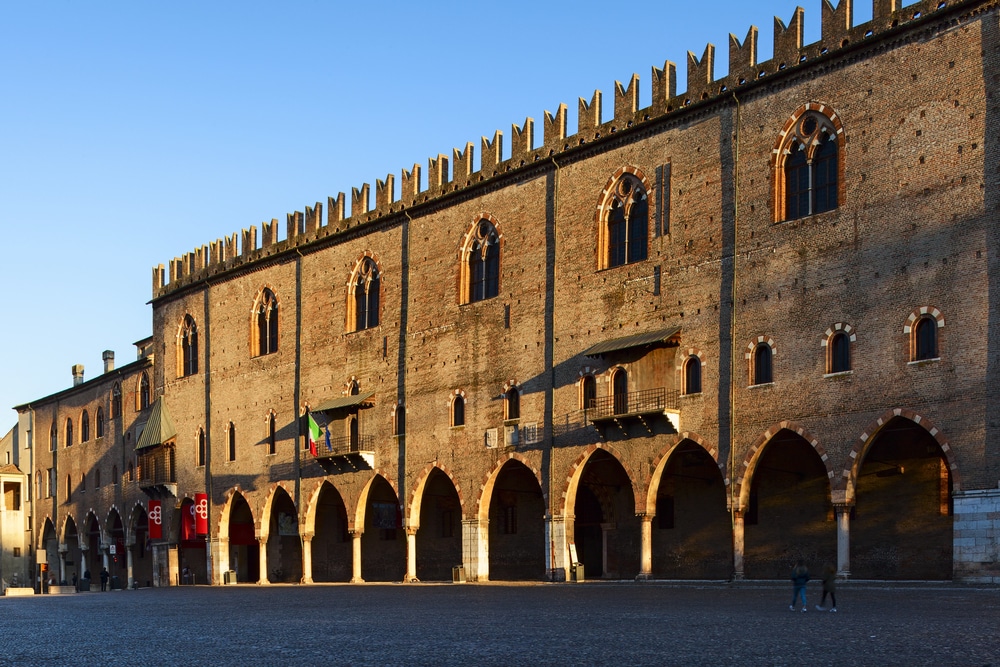
Mantua is another amazing hidden gem and one of the best places in northern Italy. This small city has extraordinary Renaissance architecture and art and a long history going back thousands of years.
Mantua, known as Mantova in Italian, is a UNESCO World Heritage Site together with nearby Sabbioneta. Both places have preserved their Renaissance city layout, buildings, and art. Mantua has also been named an Italian Culture Capital and a European Gastronomy Capital.
Like Parma, I couldn’t believe how few people were visiting when I first went a couple of falls ago!
Mantua is only 60-90 minutes away from other northern Italy bucket list spots like Parma, Modena, Bologna, Verona, Venice, and the southern shores of Lake Garda. So if you’re in the area or trying to figure out how to break away from Italy’s popular tourist route, you’ve found the right spot!
Top Things to See & Do in Mantua
- Palazzo Ducale: I’m always in awe of this massive palace complex. It should be the first place you visit in Mantua. The palace has stunning Renaissance frescoes that you can honestly spend an entire day admiring. (The Camera degli Sposi is a must-see!)
- Palazzo Te: This 16th-century palace on the outskirts of town is not as big as the Palazzo Ducale but is stunning just the same. I especially love the frescoes in the Sala dei Giganti and the gardens! You can do the 15-20-minute walk from the city center or take the free shuttle, Navetta Te.
- Piazza Sordello: Mantua’s main square is named for a 13th-century Italian poet but owes its layout to the wealthy and powerful Gonzaga family. The palaces, tower, and Cathedral creating the square make it one of the prettiest.
- Basilica di Sant’Andrea: This Renaissance Cathedral has an impressive dome and a relic said to contain Jesus’s blood. But like the Shroud of Turin, this relic is rarely displayed in public.
Pro Tips about Mantua
- You can easily take a day trip to Mantua. If you’re staying in Verona, you can take a direct train to arrive in Mantua in under an hour. There are also many trains a day between Bologna and Mantua.
- While you’re in Mantua, try the Risotto alla Pilota. The rice is grown locally, served with sausage and topped with cheese.
9. Bologna
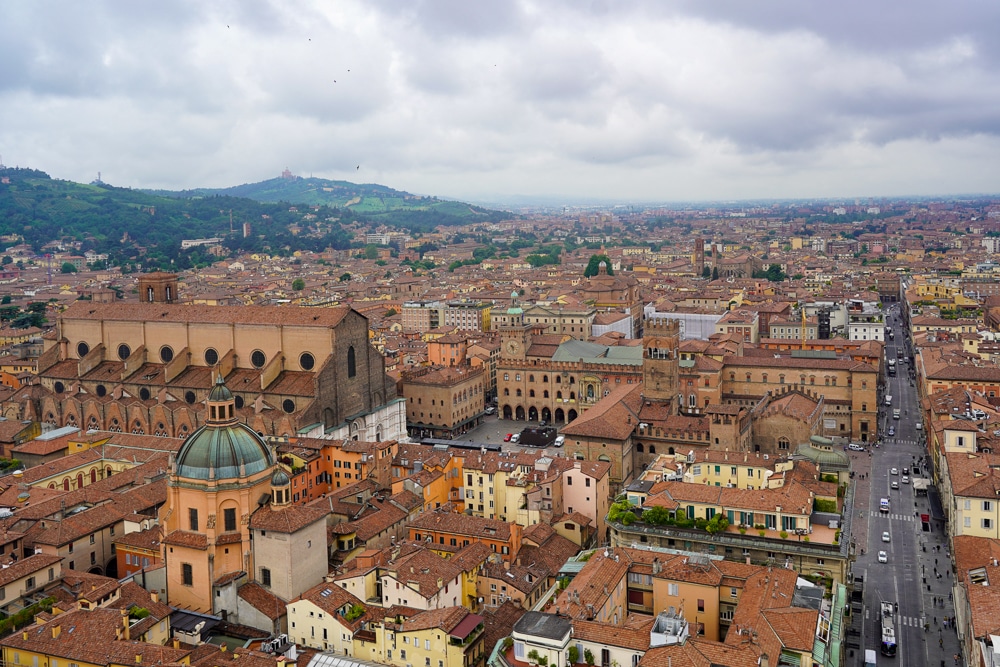
Bologna has become increasingly on the radar of visitors to Italy. It’s no mystery why. Bologna is classy and confident but with an edgy, youthful energy. The University of Bologna opened in 1088(!) and is considered the oldest university in the Western world. Yet, this is just a tiny piece of Bologna’s history.
And even more rich than Bologna’s past…it’s food! From its signature ragu with tagliatelle, tortellini in brodo, mortadella, and lasagna, Bologna is a foodies paradise. Some even say it’s the city with the best Italian food. That’s no small feat given the fierce competition.
Still, even as a bigger city and with rising popularity, Bologna welcomes you with its laid-back vibe. One of the best things to do is simply stroll through the historic center of the city under the beautiful porticoes.
But if you’re not convinced yet, see why Bologna is one of the best places in northern Italy.
Top Things to See & Do
- Piazza Maggiore: Bologna’s main square and heart of the city. Take note of the unfinished Basilica di San Petronio which first was first built in 1390. There’s also the beautiful 16th-century Neptune Fountain just as you enter the piazza. Don’t miss seeing it!
- Two Towers: These leaning medieval towers are historic symbols of Bologna. Sadly, the Garisenda Tower is in danger of collapsing so the nearby Asinelli Tower, which is usually open to climb to see the great city views, is closed until further notice as they work to try to save the tower. I climbed the Asinelli Tower before the closure and suggest you do, too, if and when it reopens. As an alternative, climb the Clock Tower (Torre dell’Orologio) just next to Piazza Maggiore.
- Archiginnasio & Anatomical Theater: Once central areas of the University of Bologna, these historic spaces are now open to visitors. The painted porticoes and wooden “theater” where students studied biology through dissection are must-sees.
- Food Markets: Food is a central theme of Bologna. The Quadrilatero area and the Mercato delle Erbe are great places to wander for tastings and food gifts you’d like to bring home.
Must-Have Bologna Experience
- Make plans to do a guided food tour while you’re in Bologna. It’s one of the best ways to learn about the city!
- Visit the Santuario di Madonna di San Luca on a hill overlooking Bologna. The views from the top of the church are spectacular. To get there and back, you can walk under the 650+ arches of the Portico San Luca. The walk will take about 45-60 minutes. Otherwise, look for the San Luca Express, a tourist train from Piazza Maggiore that brings you up to the church.
10. Cinque Terre & Portovenere
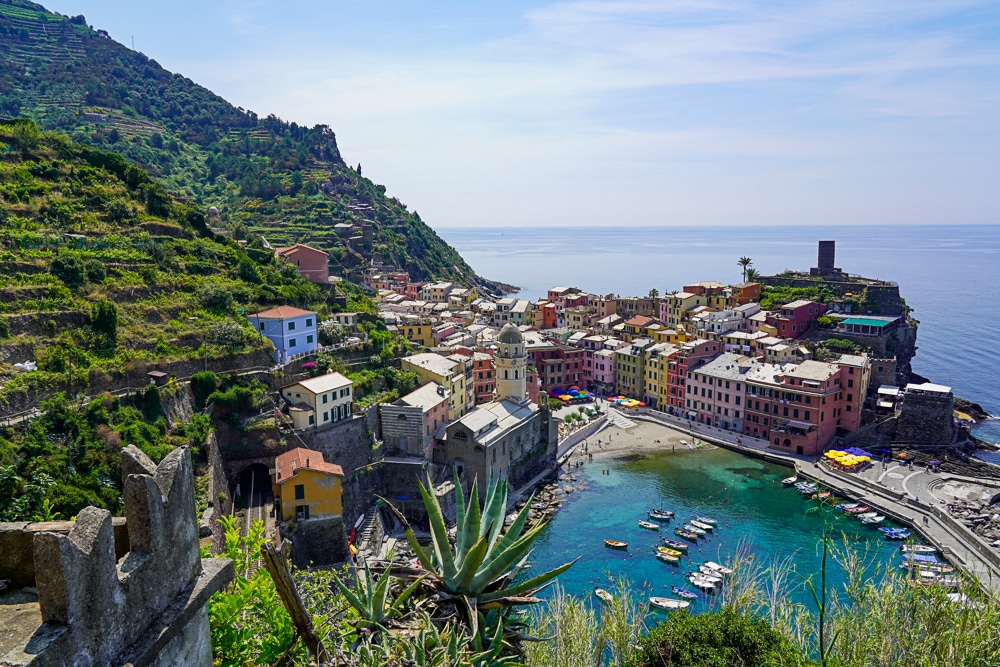
The Cinque Terre and the Italian Riviera in the region of Liguria are bucket list spots if ever there was one! The pastel-hued villages clinging to the rocky Ligurian cliffs come with sweeping Mediterranean views in one direction and terraced rows of grapes in the other. The scenery could not be more breathtaking!
And while you might be familiar with the five villages of the Cinque Terre, Monterosso al Mare, Vernazza, Corniglia, Manarola, and Riomaggiore, nearby Portovenere is considered the lesser-known “sixth” village. If you’re trying to escape the crowds in Cinque Terre proper, make your way to Portovenere for a gorgeous seaside vibe. Its harbor and village are just as colorful and the landscape is equally as sensational!
I’ve been to the Cinque Terre and Portovenere many times. Here’s what I recommend.
Top Things to See & Do in the Cinque Terre and Portovenere
- Hike the Sentiero Azzurro trail: This popular trail connects the five villages of the Cinque Terre and comes with incredible views. The trail stops in each town giving you the chance to sightsee, eat, rest, and shop. Be sure to check trail conditions. Some sections remain closed as part of a years-long rebuilding project that’s set to finish in 2025.
- Watch the sunset from Manarola: Walk up the hill that overlooks the sea and the cluster of village houses. It’s one of the best photo points in the Cinque Terre, northern Italy…and all of Italy. At sunset, the views are even more stunning. If you can, have an aperitivo at Nessun Dorma while enjoying the views.
- Visit the Church of San Pietro in Portovenere: It’s perched on top of a dramatic rocky outcropping and the views of it and from it are spectacular! Later on, grab a gelato and watch the sunset from Doria Castle for an unforgettable way to end the day.
- Try the local pesto and seafood: The trofie pasta with pesto and the fried seafood in the takeaway paper cones are my favorites!
- See the coast from the water: One of the best ways to appreciate the gorgeous landscape is by boat. Take a sunset boat ride for a perfect ending to a day spent in the Cinque Terre.
Pro Tips about the Cinque Terre and Portovenere
- Visit in late spring or early fall to avoid crowds: During the summer season, the Cinque Terre is overtouristed. I love going in May, instead, when the weather is perfect for hiking and the summer tourists haven’t arrived yet.
- Stay longer than a day: Especially in summer, you’ll have a better time if you can stay for a few days. With more time, you won’t be in a rush like the day-trippers and you can enjoy the villages in the evening once many of the visitors have gone.
- Get the Cinque Terre Card in advance: You can choose between a train or trekking card for access to the trains between the villages and access to the Cinque Terre National Park hiking trails. Best of all, you avoid waiting in line to buy the card in La Spezia.
11. Langhe-Roero and Monferrato
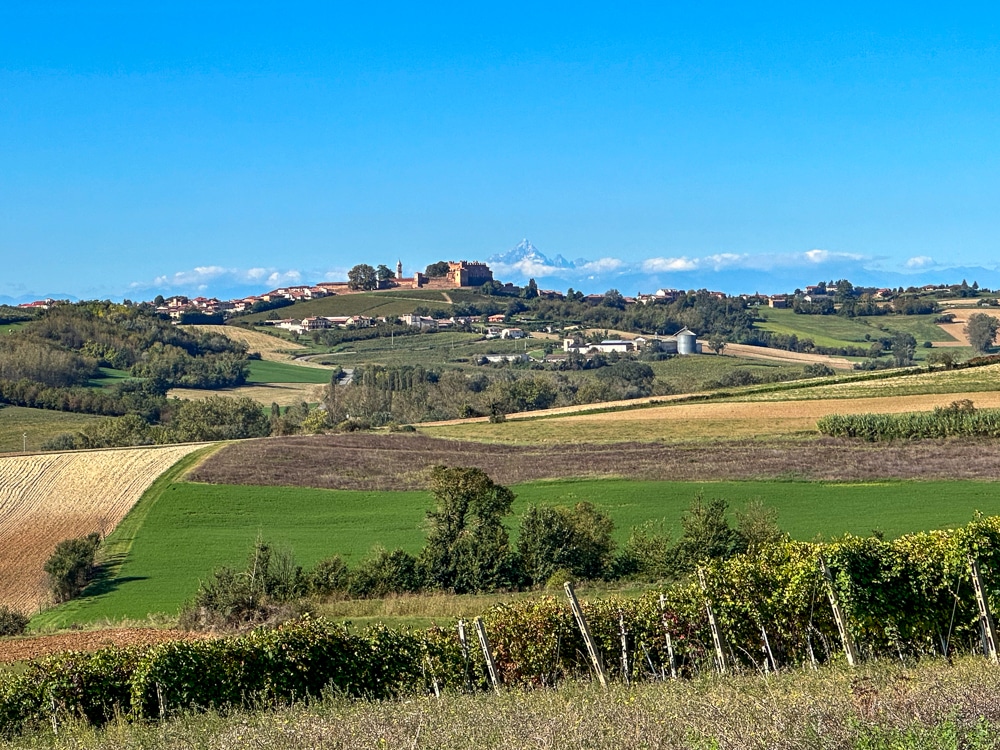
The Langhe-Roero and Monferrato area in the region of Piedmont is a wine lover’s dream and a UNESCO World Heritage site. The area is a land of rolling green hills with an endless sea of grape vines, hazelnuts, truffle forests, and cultivation only interrupted by the tiny hilltop villages with their castles and towers that speckle the landscape. On clear days, the Alps appear in all their magnificence on the horizon.
The area’s star is the Nebbiolo grape used to make a variety of wines including the “King of Wines,” Barolo. But stay longer than a wine tasting and you’ll discover an array of world-class wines that pair perfectly with the local Piemontese cuisine. In fact, the region has more DOCG wines and the same number of DOC wines as Tuscany.
In between your slow food and wine breaks, experience slow travel at its finest. Wander through tiny villages, hike or bike through the hills, hunt for truffles, and stumble upon historic sites from churches to castles. For all of these reasons and more, I even decided to renovate a house here and spend months of the year.
So while it might be one of the most hidden gems on this list, the area is well worth adding to your northern Italy itinerary!
Top Things to See & Do in the Langhe-Roero and Monferrato
- Visit Alba: Known as the truffle capital, this small, ancient city hosts the International White Truffle Fair in October and November. Throughout the year, you can explore Alba’s Roman roots, eat at one of its many Michelin-recommended restaurants, and shop at its large Saturday market.
- See the medieval castle of Grinzane Cavour: Situated in the Langhe hills outside of Alba, this restored castle tells the story of the area’s grape vines and wine production, as well as hosts tastings and displays historic exhibits with artifacts from the region. The views from the outside of the castle are beautiful!
- Do wine tastings: From well-known wines like Barolo, Barbera, and Barbaresco to lesser-known grapes like Ruche, Grignolino, and Arneis, there are an endless number of vineyards to visit to learn how the wine is made and taste the wines.
- Hike through the rolling vineyards: Throughout the hills, you’ll find countless trails to hike leading you past vines of grapes and through tiny villages. Keep an eye out for the “Big Benches.” These oversized landmarks are positioned in places with the best panoramic views.
- Try local specialties: From tajarin pasta with ragu or truffles, cuts of beef marinated in a barbera sauce, agnolotti, and hazelnut cakes, the food here is excellent. Have lunch or dinner in a local restaurant in a village you discover. It’ll likely wind up being one of the best eating experiences of your Italy trip!
Local Tips about the Langhe-Roero and Monferrato
- For an authentic experience, stay at an agriturismo or in an apartment or house rental. Some offer experiences like cooking classes, picking grapes during the harvest season, or Vespa tours. Both give you the chance to immerse yourself in a local village or area.
- Villages like Neive, La Morra, Barolo, Serralunga d’Alba, Monforte d’Alba, Cella Monte, Olivola are some of the prettiest in the area. Wander around, though, and you’ll stumble on other villages just as deserving of a stroll.
12. Bergamo

Bergamo is one of the Lombardy region’s great treasures! Some are manmade in the form of art, architecture, and artifacts from long ago. While the other is the natural beauty surrounding the city. Sitting high on a solid slope, Bergamo overlooks the flat plains of the Po River and is framed by a backdrop of rolling hills that give way to towering peaks of the Alps.
This city has a unique split layout with an upper and lower section and is surrounded by 16th-century Venetian walls that were built by the Republic of Venice to protect the city from invasions. The walls have since been named a UNESCO World Heritage Site and the city itself recognized as an Italian Capital of Culture.
And yet…the city is largely off the radar of the millions of visitors who come to Italy every year. Those who do come get to enjoy everything that is quintessentially Italy…history, art, architecture, delicious food, and gorgeous views. I promise it’ll be one of those amazing places that’ll leave you wondering how you had never heard of it!
Top Things to See & Do in Bergamo
- Take the funicular up to the Città Alta, the upper town. This is the most historic part of the city and where you should simply take some time to walk and explore.
- Stroll through Piazza Vecchia. This elegant square is framed by Venetian-style palazzos and has several cafes along the perimeter of the square. It’s a scene that’ll at once make you feel like you’ve gone back in time while simultaneously being a part of a classic Italian movie set.
- The Basilica di Santa Maria Maggiore is a must! The frescoes inside are stunning, some dating back to the mid-1300s. The attached Renaissance Colleoni Chapel will take your breath away!
- Walk along the historic Venetian walls to see the city’s original gateways, bastions, and platforms and enjoy beautiful views.
- Climb the Campanone, the Civic Tower in Piazza Vecchia. The tower goes back to the 12th century and offers sweeping vistas from nearly 175 feet up over Bergamo’s Città Alta.
Pro Tips about Bergamo
- Bergamo is just an hour by train from Milan with many trains running every day between the two cities.
- One of the local dishes to try is “casoncelli” which is a stuffed pasta with meat, cheese, and fruit filling served in a butter and sage sauce. Save room(!) for polenta, too. This hearty food is delicious with local cheeses like branzi and taleggio.
13. Genoa
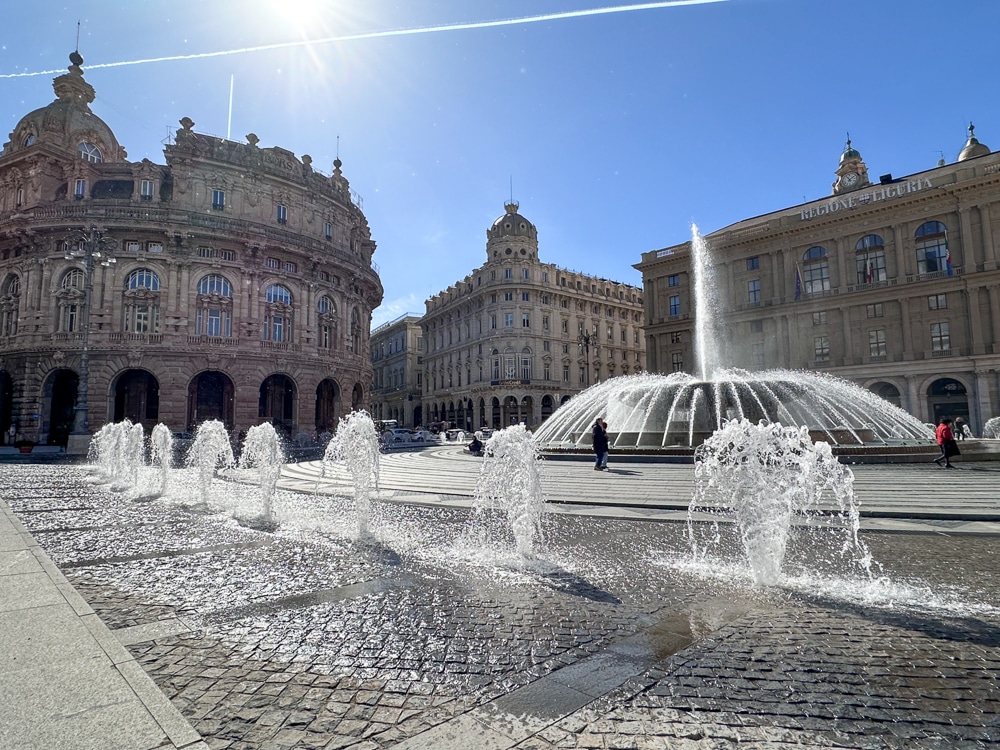
Genoa, known as Genova in Italian, is every bit deserving of a spot on this list of best places to visit in northern Italy. It has a blend of grit and elegance, historic and modern all of which are bordered by the gorgeous Mediterranean Sea.
Historically, Genoa was the seat of one of the most powerful and wealthy republics in what is now present-day Italy. I like to think of it as a city of secrets! Every time I visit, I see or learn something new about this fascinating city.
If you’re waffling about whether or not to include Genoa in your Italy itinerary, let me just tell you, the city has an allure that’ll stay with you long after your trip. It could even end up being the best surprise of your whole trip to Italy!
Top Things to See & Do in Genoa
- Porto Antico is a must-visit area. The revitalized waterfront promenade is a mix of fun and historic places to visit and activities. It’s also a beautiful place just to stroll.
- Visit Piazza de Ferrari, the city’s main square. The central fountain is amazing with its backdrop of spectacular architectural styles. From there, take a walk down Via XX Settembre to admire the city’s porticoes and art nouveau buildings.
- Stop to see the Cathedral of San Lorenzo with its striking black and white striped facade! It’s one of top things to see in Genoa.
- Explore Genoa’s caruggi. This maze of narrow alleys is full of surprises including hidden gem spots to eat and shop.
- The Acquario di Genova is Europe’s largest aquarium. If you’re traveling with kids or just love seeing marine life, be sure to add this spot to your list.
Pro Tips about Genoa
- Take the elevator up to Spianata Castelletto for absolutely stunning views of Genoa and the Mediterranean Sea.
- Take a day trip from Genoa to Portofino. Not only can you visit Portofino, but you’ll also see other Italian Riviera gems along the way!
14. Ravenna
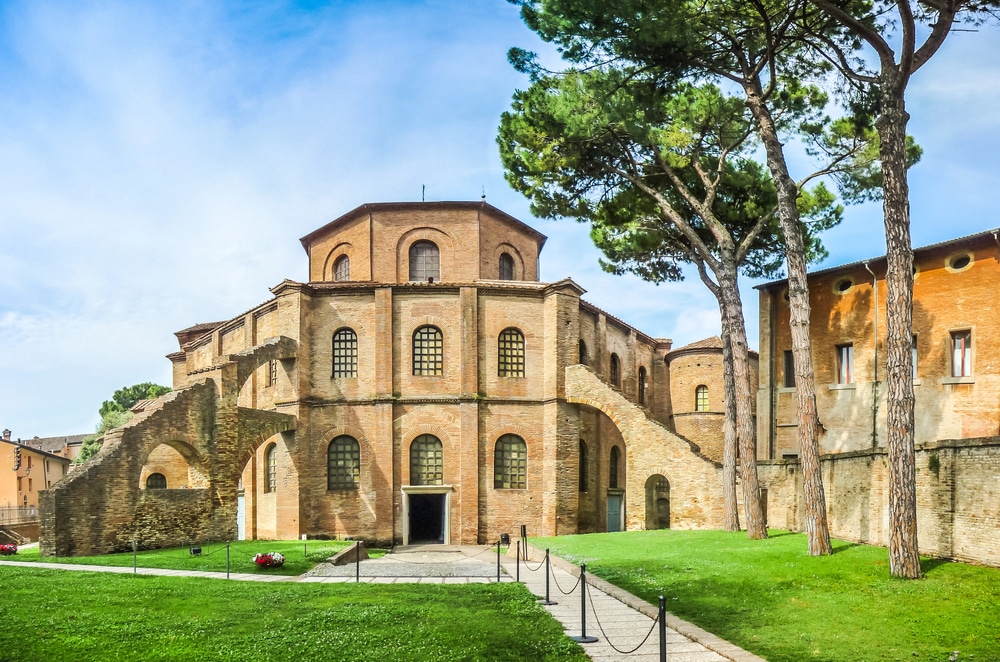
Ravenna is a one-of-a-kind place in northern Italy. It has an incredible eight monuments that make up a UNESCO World Heritage Site and is packed with stunning art and history that goes back over 1,500 years!
Situated near the coast of the Adriatic Sea in Emilia-Romagna, Ravenna sat at the crossroads between the Roman and Byzantine Empires. After the fall of the Roman Empire, Ravenna became a western seat of the Byzantine Empire. As a result, you’ll find the best Byzantine mosaics anywhere in Italy and Western Europe.
These stunning early Christian mosaics are undoubtedly the top reason people visit. And you should, too! You can easily include Ravenna as part of your northern Italy itinerary, especially if you’ll be spending time in or around Bologna, Venice, Padua, or Florence.
Top Things to See & Do in Ravenna
- Basilica di San Vitale is a must-see! This 6th-century octagon-shaped church is the most famous of the UNESCO-recognized sites in Ravenna. The mosaics are eye-catching from the moment you walk inside!
- Be wowed by the Mausoleum of Galla Placidia. Near San Vitale, this small building has the oldest (in Ravenna) and most spectacular mosaics! The entire upper half of the Mausoleum is covered with brilliant-colored mosaics. They are hands-down my favorite among the eight sites.
- See all the early Christian UNESCO Sites. They include the Basilica of San’Apollinare Nuovo, the Arian Baptistery, the Neonian Baptistery, the Chapel of Sant’Andrea, the Mausoleum of Theodoric, and the Basilica of San’Apollinare in Classe.
- Pay your respects at Dante’s Tomb: The famous Italian poet is buried in a small mausoleum in Ravenna. The poet died in Ravenna and couldn’t be laid to rest in his native Florence after being exiled.
- Don’t miss the crypt at the Basilica of San Francesco. It has become a shallow wishing pool where goldfish and sometimes ducks swim.
Pro Tips for Ravenna
- Buy the combined ticket that includes entry to multiple Ravenna UNESCO sites or go with a guide who can explain the significance.
- If you can, spend a night in Ravenna. The mosaics are worth spending a full day there and not rushing to catch a train back to where you’re staying.
15. Padua
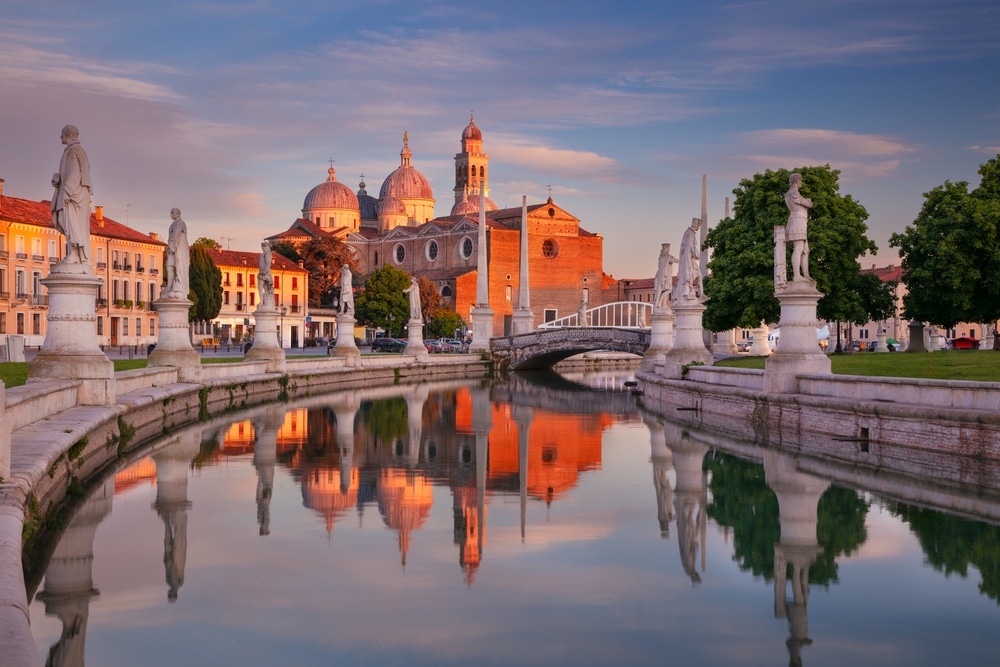
Padua is a jewel that rightfully deserves a spot on your Italy bucket list. One of the crown jewels, Venice, is just 25 miles to the northeast and casts a large shadow. But don’t let that cloud your gaze! Padua’s shimmer is bright enough to attract its own attention as one of the true treasures of the Veneto and northern Italy.
Padua, known as Padova in Italian, is ancient with historical traces hinting at its beginnings by a Trojan prince in 1183 B.C. Throughout the centuries, the city has amassed stunning artistic masterpieces, beautiful architecture, and a vibe that’s distinctly youthful and academic due to its university, the second-oldest in Italy.
The first time I visited Padua kicked myself for having put it off for so long! Don’t make the same mistake. Not only will you fall for Padua, but you’ll also appreciate the break away from the crowds in places like Venice and Milan.
Top Things to See & Do in Padua
- The Scrovegni Chapel is a must-see: The frescoes by Giotto were painted at the start of the 14th century and are absolute showstoppers! They’re part of a cycle of UNESCO-recognized frescoes across eight sites in Padua including at the Basilica of Saint Anthony. Book tickets for the Scrovegni Chapel in advance because only a limited number of visitors are allowed each day.
- See the Basilica of Saint Anthony: This beautiful 13th-century church was built to honor Saint Anthony. The Saint was laid to rest here and his relics are inside.
- Walk through the Prato della Valle: This enormous rounded “square” is lined with statues of historic figures. It’s a perfect place for your Italian passeggiata!
- Visit the anatomical theater in Palazzo Bo: Tour the historic main building of the University of Padua. You’ll also get to see Galileo’s podium who was a professor here!
- Admire Padua’s Botanical Garden: This is the world’s oldest academic botanical garden. It’s Padua’s second UNESCO World Heritage Site.
- Shop at the market in Piazza delle Erbe: I love shopping at Italian markets. This is a good one that’s been happening for hundreds of years every day except Sunday. If you wander through Padua’s other squares like Piazza della Frutta, you might also time it right to find more market stalls.
Best Padua Day Trip
- The Brenta River canal runs between Padua and Venice. The riverbank is lined with prestigious Venetian villas that were built by nobles who wanted to escape the summer heat. You can cruise the canal on this day trip and stop to see some of the villas.
16. Trieste
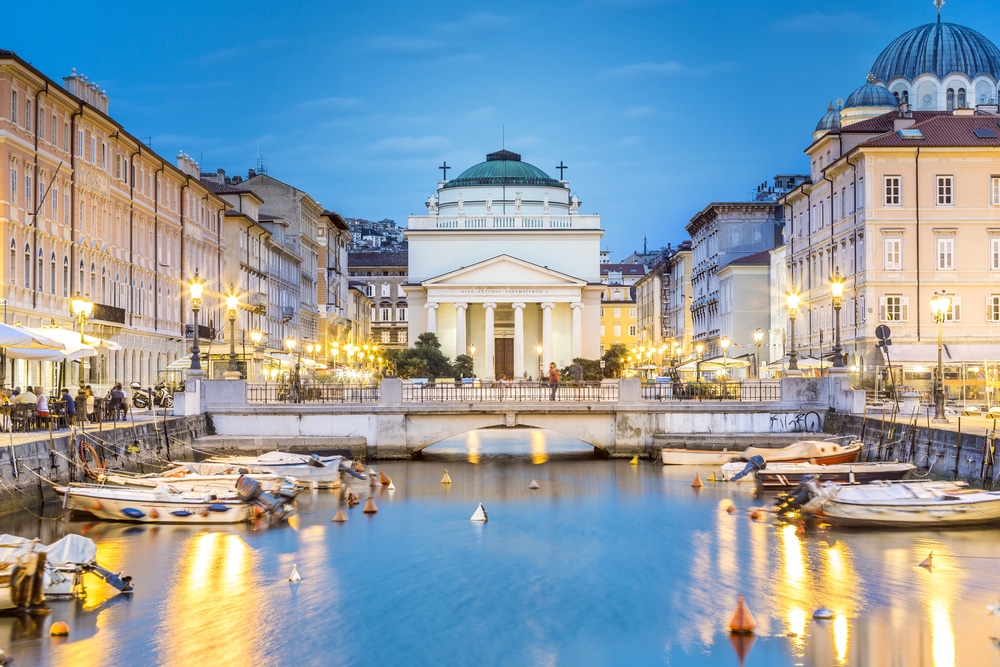
Trieste is a unique Italian city sitting on the Adriatic coastline less than 60 miles from Italy’s border with Slovenia. Trieste’s character is a blend of Italian and Central European making it a unique and must-visit northern Italian city.
History lovers will discover a varied past that weaves together everything from the Byzantines to the Hapsburgs to the dark forces that took control during World War II. Trieste is also the heart of Italy’s coffee culture and has a fantastic cafe scene set among the city’s elegant architecture.
Trieste is the capital city of the Friuli Venezia Giulia region in northern Italy, both of which have been totally off the grid for most people who visit Italy. But the secret is out and people are beginning to realize Trieste’s worth!
Top Things to See & Do in Trieste
- Marvel at the Piazza Unità d’Italia: This enormous main square faces the Adriatic Sea and has a decidedly Austrian flair. It’s a beautiful spot to have an aperitivo and watch the sunset.
- Visit Miramare Castle: On a rocky bluff overlooking the Gulf of Trieste, this beautiful 19th-century castle was built by a Hapsburg Duke for the bride he loved. You can tour the castle and the beautiful gardens.
- Have a coffee at Caffè San Marco: This historic literary cafe was a favorite of James Joyce who spent 10 years in Trieste.
- Stroll along Canal Grande: This large canal is in the city center. It’s lined with cafes, churches, museums, and palazzos. I love how the buildings reflect off the water in the canal. It’s a fantastic photo when the light is right!
Pro Tips about Trieste
- Trieste is connected to Italy’s high-speed rail network. It’s just 2 hours by train from Venice and less than 4 hours from Milan.
- When you’re there, head up to San Giusto Castle for beautiful city and Adriatic views. On the way, you can also visit Trieste’s Roman Theater.
- For an unexpected experience, check out Grotta Gigante, one of the world’s largest tourist caves just outside the city with incredible stalactites and stalagmites.
17. Modena
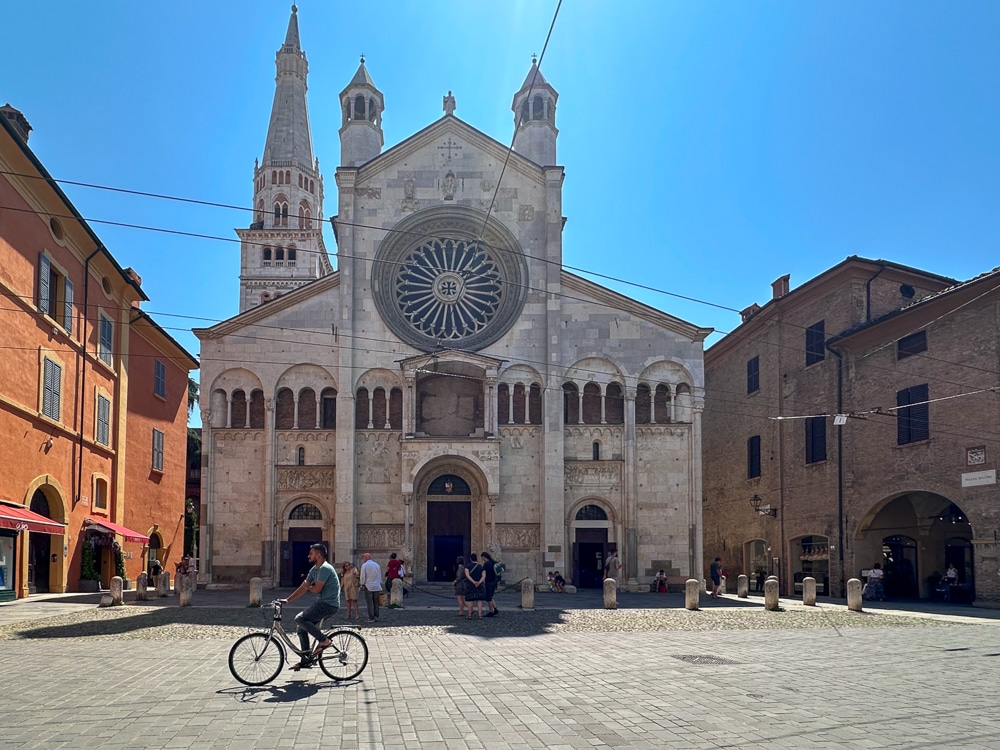
Modena is the perfect blend of history, art, culture, innovation, and food packaged in a compact city center that’s easy to explore on foot. And did I mention the food?! It has some of the best food in Emilia Romagna.
This small city is the birthplace of balsamic vinegar (the real stuff!), Ferrari, and Pavarotti, to name a few. It also has some of the best restaurants anywhere in the world, including Osteria Francescana which earned the top spot twice.
But what you’ll love about Modena more than anything else is how pleasing it is to just be there! There are no crowds or tour buses to zigzag through, although you may have to dodge a few bikes. You can wander into a museum or just explore the city one piazza and cobblestone lane at a time. When it’s time, sit for lunch (or dinner) and savor every bite!
Top Things to See & Do
- Visit the Modena Cathedral: This beautiful 12th-century Romanesque church is a UNESCO World Heritage Site along with Torre Ghirlandina and Piazza Grande.
- Climb the Torre Ghirlandina: The bell tower next to the cathedral has amazing views of the city. I climbed the tower on a REALLY hot day but was so glad I did!
- Shop and eat at Albinelli Market: This market is in the center of town and is a great place to get local. I sat and had the best artichoke bruschetta of my life!
- Check out the Enzo Ferrari Museum: There are actually two museums. One is where you learn about Enzo Ferrari and see how he created the brand. The other has a collection of Ferraris to dream over.
Pro Tips about Modena
- Don’t miss the chance to take a balsamic vinegar tour! It’s a uniquely Modena experience where you can learn how the vinegar is made and taste different varieties.
- Just a bit outside of town, you can visit Casa Museo Luciano Pavarotti to learn more about this legendary singer. This is his private home and it’s surprisingly intimate! You’ll see lots of information and memorabilia…and not many people. When I visited, I nearly had the house to myself.
What Do You Think of my Northern Italy Places to Visit?
Have you added to your northern Italy bucket list? I hope so! Maybe there were even some spots that surprised you.
Truthfully, I hope this list showed just how many incredible places there are in Italy. You can go beyond just the few popular cities and still have amazing experiences!
And if I missed any places in northern Italy you think deserve a spot on the list, I’m all ears. 🙂
Which of these best places to visit in northern Italy would you like to see?
Like this post? Please save it to your Pinterest board or share it on social media using the share buttons.