
If you’re planning to visit the region of Lombardy (Lombardia in Italian) to see Milan and Lake Como but find yourself asking what other treasures this region holds, you are a savvy traveler!
Lombardy is a place of art and culture, 1000+ years of history, gorgeous natural landscapes, and of course, delicious food! Yet, some of the region’s most beautiful places from the Renaissance city of Mantua to the hidden gem of Monte Isola go largely unnoticed by most visitors to northern Italy.
I’ve had the opportunity to travel around Lombardy regularly because I live for part of the year in the hills of Piemonte, the northern Italian region just west of Lombardy. I love exploring here! There’s always a new hidden gem, be it a village, sight, or small city, and typically within easy reach from Lombardy’s capital, Milan.
So, before you set your northern Italy itinerary, take a look at these incredible reasons to visit the region of Lombardy. I bet you’ll be inspired to extend your time here to discover what lies within reach just beyond Milan and Lake Como.
Andiamo!
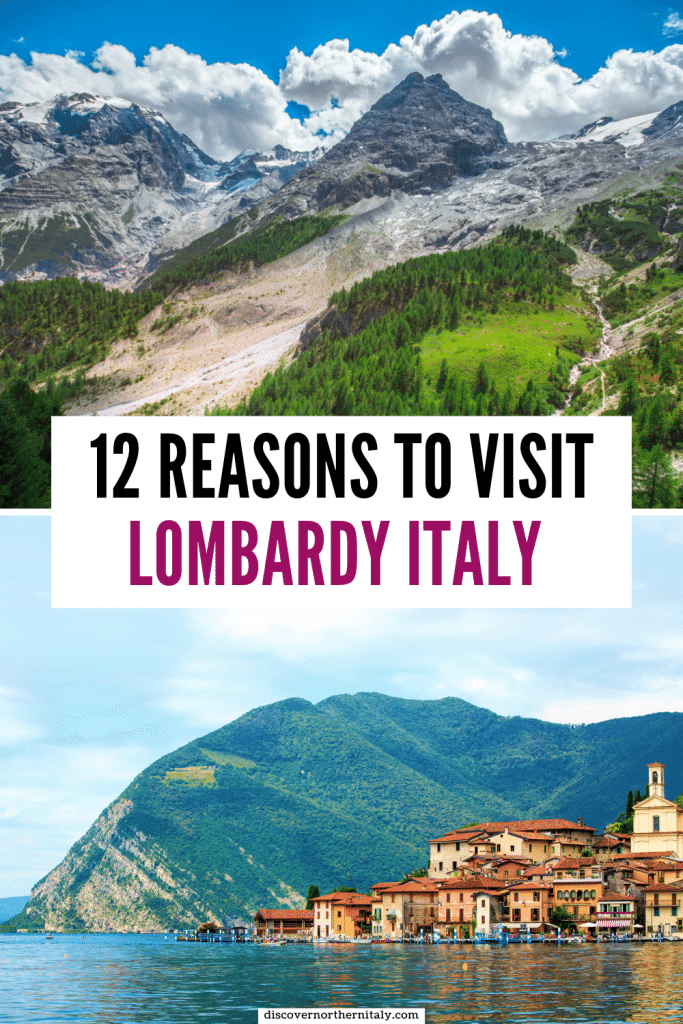
Where is Lombardy Italy?
The region of Lombardy, or Lombardia, is centrally located among the regions of northern Italy. It’s located between the Alps to the north and the Po River to the south. It’s also Italy’s most populated region, as well as the first place many visitors arrive because of the Milan Malpensa International Airport.
At its northernmost points, Lombardy shares a border with Switzerland. On its other sides, you’ll find other regions of northern Italy, Piedmont (Piemonte) to the west, Veneto and Trentino-Alto Adige to the east, and Emilia-Romagna and Liguria to the south.
The region is also home to some of the northern Italian lakes like Lake Como and parts of the stunning Lake Garda, which it shares with the Italian regions of Trentino-Alto Adige and Veneto. This strategic location gives Lombardy its diverse landscapes, ranging from majestic mountains to scenic lakes and fertile plains.
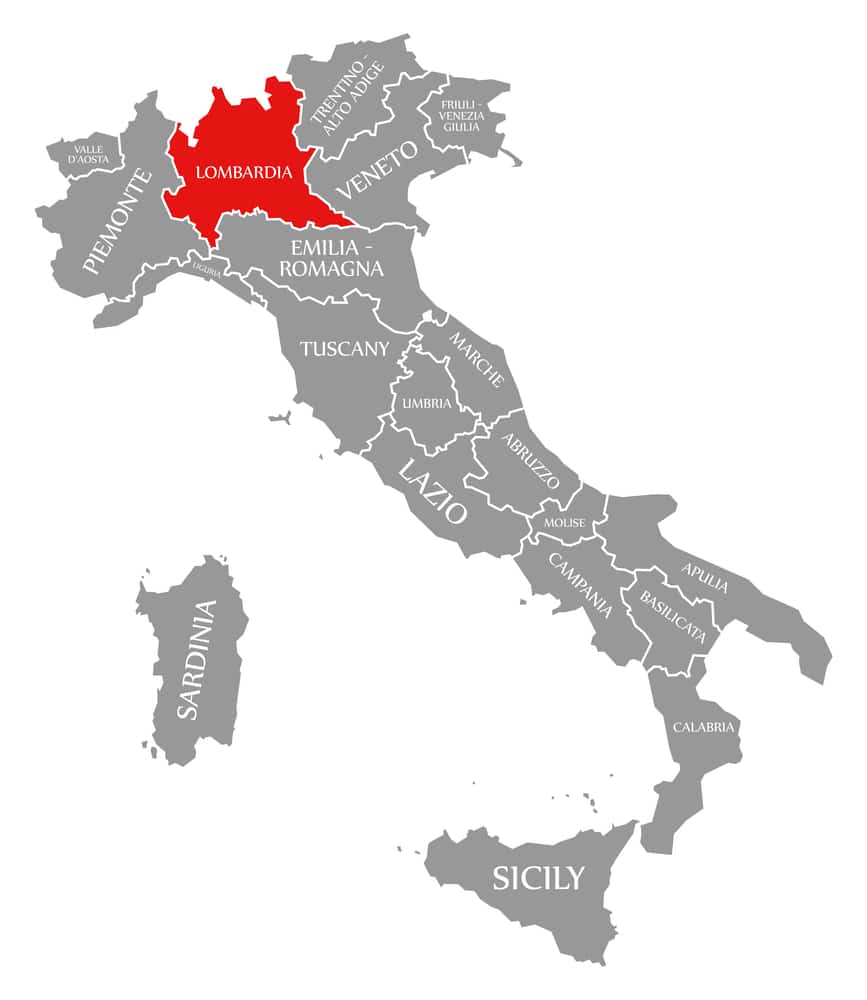
Map of Lombardy Italy
The map of Lombardy Italy below shows in greater detail where some of the region’s towns and areas are in relation to one another.
Milan is the capital of Lombardy and is complemented by other cities and towns like Bergamo, Brescia, and Mantua known for their rich blend of art, history, and architecture. Milan, the region’s metropolitan area, is famous for landmarks like the stunning Duomo di Milano and the historic La Scala opera house. Bergamo offers its medieval Citta Alta with breathtaking views and Mantua is UNESCO-listed because of its Renaissance design.
This region’s natural beauty shines through its numerous nature parks and reserves which are great spots for outdoor activities. Lombardy includes a large section of the Italian Lakes Region where towns like Bellagio and Sirmione along Lakes Como and Garda offer cultural and scenic treasures. Plus, the Alpine zone to the north has glacial lakes and a seemingly endless horizon of mountain peaks.
Reasons to Visit the Lombardy Region of Italy
As with the other regions of northern Italy, Lombardy has its own flair. Yet, aside from some of the region’s more popular spots, large areas of Lombardy have been left unexplored by most people visiting Italy. (The fact that you’re here already means you’re looking to blaze your own trail for your Italy trip!)
That means you can spend time in Lombardy, away from the clogged, mainstream tourist path, experiencing northern Italy in your own way. All while still enjoying UNESCO World Heritage Sites (Lombardy has the most of any Italian region), cultural sights ranging from fine art to music, top-notch museums, history spanning a millennia, a diverse countryside from the Alps to the Lakes, and Lombardy’s amazing local food.
Take a look at just 12 of the reasons why you should visit Lombardy!
1. Milan
When you visit the Lombardy region of Italy, Milan is a must-see city packed with incredible history, culture, and architecture. It’s the second largest city in Italy and is recognized as the fashion capital of the world. If you consider yourself a fashionista, you’ll be in your glory! Milan is home to top brands and designers and hosts the renowned Milan Fashion Week.
At the heart of Lombardy’s capital, you’ll find the breathtaking Duomo di Milano, the famous Gothic cathedral in Piazza Duomo. Construction started in 1386 and officially wrapped up in 1965, though ongoing work keeps it looking pristine. This is the largest church in Italy and the second-largest in Europe, right after St. Peter’s Basilica in the Vatican. The Duomo boasts 135 spires, over 3,000 statues, and stands over 350 feet tall. Inside, the towering pillars and beautiful flooring are just as impressive as the exterior. No matter how many times you see it, the Duomo never loses its WOW factor!
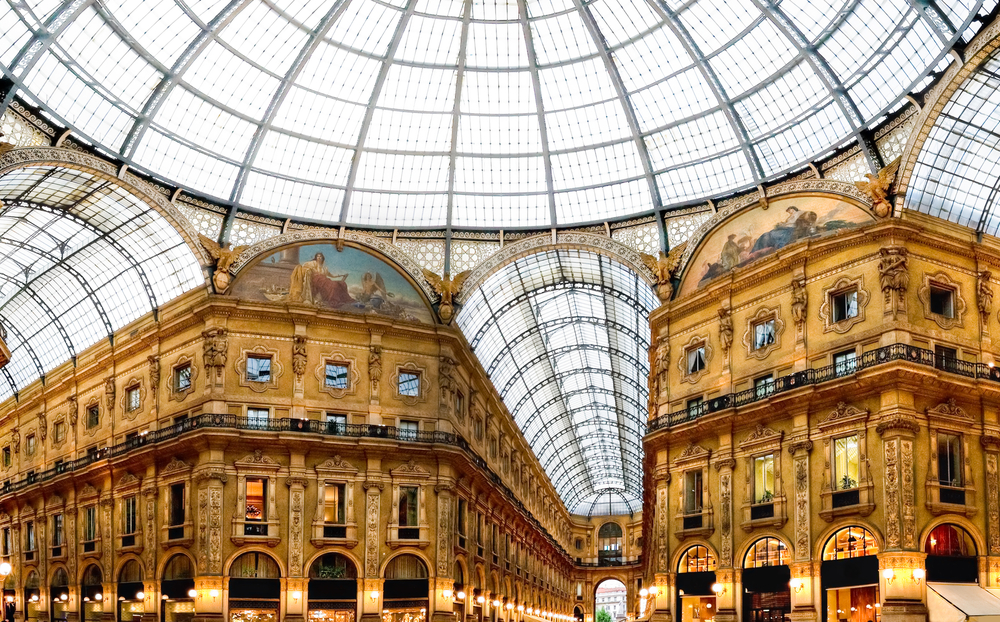
Adjacent to Piazza Duomo, the Galleria Vittorio Emanuele II is a must-see. This elegant shopping arcade is filled with high-fashion boutiques, historic cafes like the Marchesi pastry shop, and luxury restaurants. The Galleria’s mosaic floor features the coat of arms for Milan, Turin, Florence, and Rome. Go ahead and spin on your heels on the bull’s family jewels in the Turin emblem. It’s said to bring good luck!
Milan also houses the Church of Santa Maria delle Grazie, a Renaissance-style church finished in 1497 and a UNESCO World Heritage Site since 1980. It’s here that you’ll find Leonardo da Vinci’s famous Last Supper painting (Cenacolo Vinciano or L’Ultima Cena in Italian). The mural spans nearly 30 feet in length and 13 feet in height, and standing before it, you can almost feel the figures come to life. Remember to secure your Last Supper ticket in advance so that you can see this world-famous masterpiece.
Another highlight is Castello Sforzesco, a 15th-century fortress turned cultural hub. The castle, once a military stronghold, now has several museums and galleries inside. You can explore the accessible towers, walls, and ramparts for free, while a small fee of €5 lets you visit its museum collections. These include paintings, furnishings, decorative arts, tapestries, sculptures, and archaeological treasures. One of the standout pieces is Michelangelo’s Pietà Rondanini, a must-see within the castle.
Right behind Castello Sforzesco is Parco Sempione, Milan’s favorite green space. Covering 38 acres, the park is perfect for biking, walking, and picnicking. It’s a peaceful escape loved by both locals and visitors. The park also links two important landmarks: the 19th-century Arco della Pace and the Castello Sforzesco. The Arco della Pace, located at the northwest end of the park, commemorates the peace agreement signed during the 1815 Congress of Vienna and serves as a historic gateway to the city.
Plus, the city has underrated gems like the Biblioteca Ambrosiana and San Maurizio al Monastero Maggiore where you can see incredible frescoes and work by Leonardo DaVinci and Raphael.
Milan is a mix of historic and modern city vibes, with its grand architecture and priceless art, that make it a highlight in the Lombardy region.
2. Lakes
Lombardy is blessed with its prime location among the Italian Lakes region with all of Lake Como and Lake Iseo within its borders, as well as parts of Lake Maggiore and Lake Garda. Each lake has its own unique charm, beautiful lakeside towns, and historic and cultural sights, as well as beaches and places for outdoor activities. All of which are reason enough to plan some time enjoying this stunning area.
Lake Como is the most famous and one of the most beautiful Northern Italy lakes, renowned for its lavish villas, picturesque villages, and dramatic scenery. The lake’s shores are dotted with charming towns like Bellagio, Varenna, and Menaggio, each offering breathtaking views, quaint streets, and classic Italian piazzas with cafes where you can soak up lakeside vibes. Luxurious villas, like Villa Carlotta and Villa del Balbianello, and resident celebrities living in the hills around the lake add to the lake’s upscale allure.
Lake Iseo, though lesser-known, is equally captivating with its tranquil beauty and the largest lake island in Europe, Monte Isola. Lake Iseo flies under the radar and is perfect for those seeking a peaceful retreat away from the busier areas of Lake Como and Lake Garda. Monte Isola, with its quaint villages and pristine natural landscapes, offers a unique escape. The lake’s calm waters are ideal for scenic boat trips around the island, and the island’s hills and compact size make it perfect for cycling and hiking.
Parts of Lake Maggiore and Lake Garda also extend into Lombardy, each contributing to the region’s appeal with dramatic pre-Alpine landscapes and some of the best cultural and historic sights in northern Italy.
Lago Maggiore’s Lombardy side has the fantastic Laveno-Mombello, with its savory cuisine, bucket gondola, hiking trails, and the nearby Santa Caterina del Sasso built into a rocky outcropping in front of the lake. (This guide has a full list of can’t-miss things to do at Lake Maggiore.)
Lake Garda, the largest lake in Italy, is known for its crystal-clear waters, idyllic lakeside towns like Sirmione, Limone Sul Garda, and Desenzano, fairytale castles, and a wide range of beach activities including sailing, windsurfing, and swimming.
You can’t come to Lombardy without spending time at its lakes! So instead of asking Lake Como or Lake Garda, plan a trip to some or all of the lakes in this beautiful region.
3. Lakeshore Towns
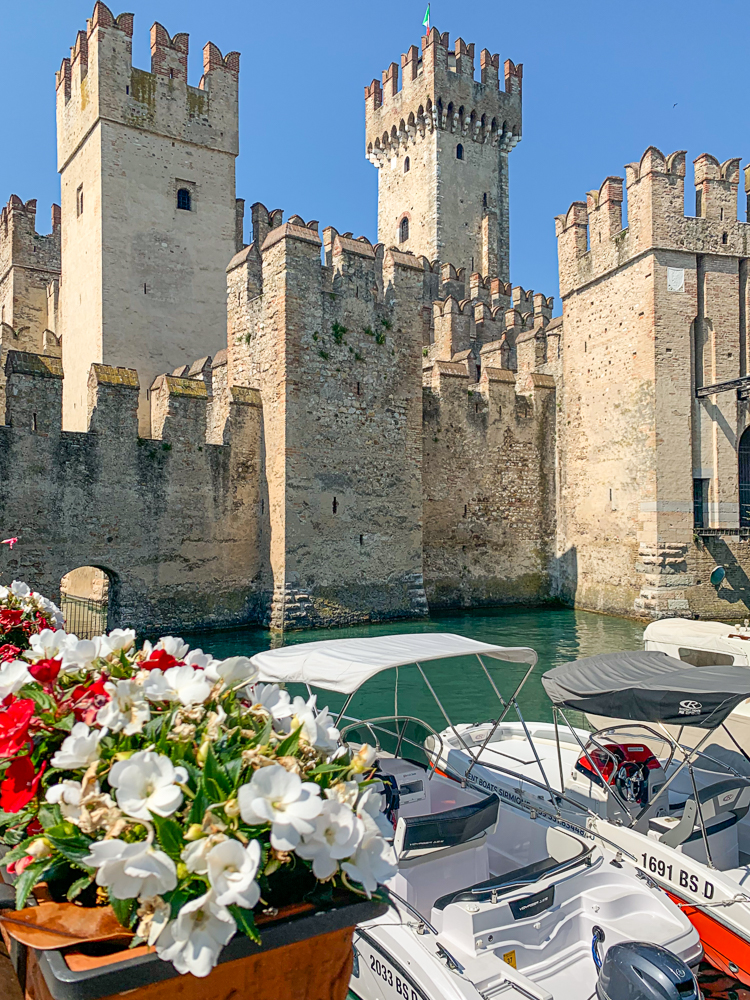
Lombardy’s charming lakeshore towns are too many to name them all! Each one seems prettier than the next, surrounded by stunning lake and Alpine scenery. And once you set off exploring, you find Roman ruins, medieval castles, dreamy villas, and a glimpse of what life is like living beside one of northern Italy’s lakes as you enjoy an aperitivo from a lakeside piazza.
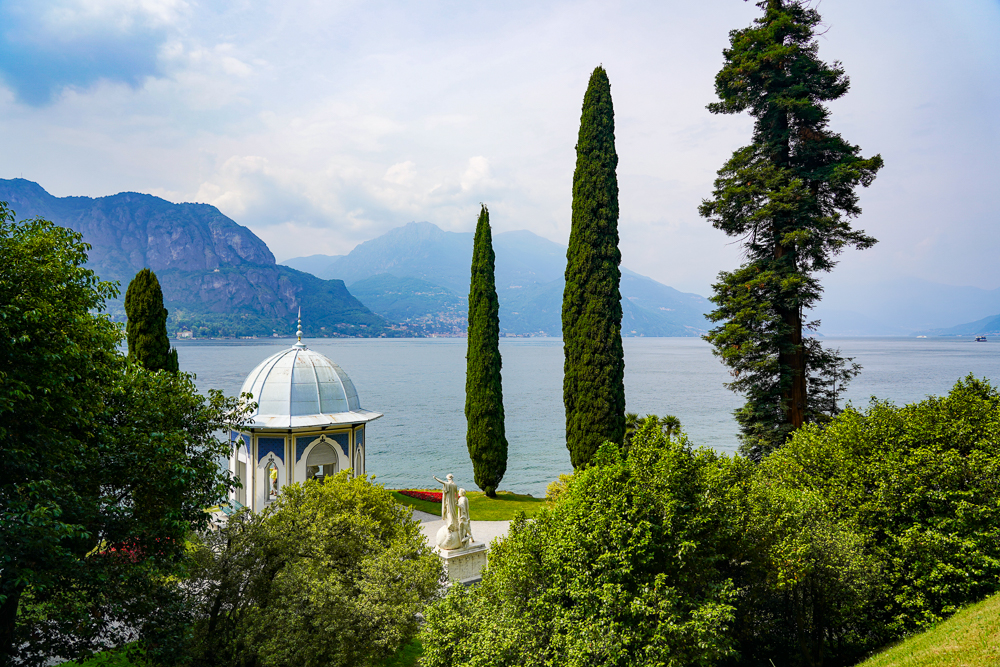
Bellagio is often called the “Pearl of Lake Como,” with its elegant villas and beautiful salite (climbing stairways) leading into colorful corridors up and away from the waterfront. It’s a top destination for a Milan day trip. This picturesque town is Lake Como’s most popular but the Villa Melzi Gardens are perfect for soaking in the beautiful views away from the town center.
Varenna is a quaint village on Lake Como diagonally opposite of Bellagio with charming alleyways and lakeside cafes. The waterfront and historic town center have scenic viewpoints like the classic Riva Garibaldi and historic landmarks like the 14th-century Church of San Giorgio. Add in a visit to the gorgeous Villa Monastero to see the luxurious villa and its gardens for a perfect Lake Como experience.
Menaggio offers stunning views of Lake Como but with slightly fewer visitors than nearby Varenna and Bellagio. The lakeside promenade is perfect for a stroll. On Friday evenings in the summer, there’s even a lakeside crafts market. Piazza Garibaldi is at the heart of the town just steps from the pier. It’s a quintessential spot to sit for an aperitivo or wander into the historic center with a gelato in hand.
Sirmione, located on Lake Garda, is famous for its dramatic lakeside Scaligero Castle, the stunning Roman ruins of the Grottoes of Catullus, beautiful beachfront, and thermal baths. It’s one of the most popular Lake Garda day trips from Milan or Verona. Despite being busy in peak season, Sirmione is the epitome of a classic, elegant northern Italian lakeside retreat complete with its ancient ruins and spas.
With lemon groves on the hills and the shimmering water of the lake, Limone Sul Garda is one of the prettiest in all of Lake Garda. Head to the Limonaia del Castel to walk around the groves and learn more about how lemons are grown here. Afterward, hike into the hills or along the Strada del Ponale for spectacular views of gorgeous Lake Garda.
Laveno-Mombello sits along Lake Maggiore on the eastern side of the lake in Lombardy. You can hike in the hills around the town or ride the cable car up to Monte Sasso del Ferro for sweeping views over the lake. At night, settle into one of Laveno’s many restaurants to enjoy some slow food Lombard style.
Whether you’re interested in water activities, historical sites, or simply enjoying the scenery, these Lombardy lakeshore towns (and plenty of others!) will undoubtedly be a highlight of your trip!
4. Food & Wine
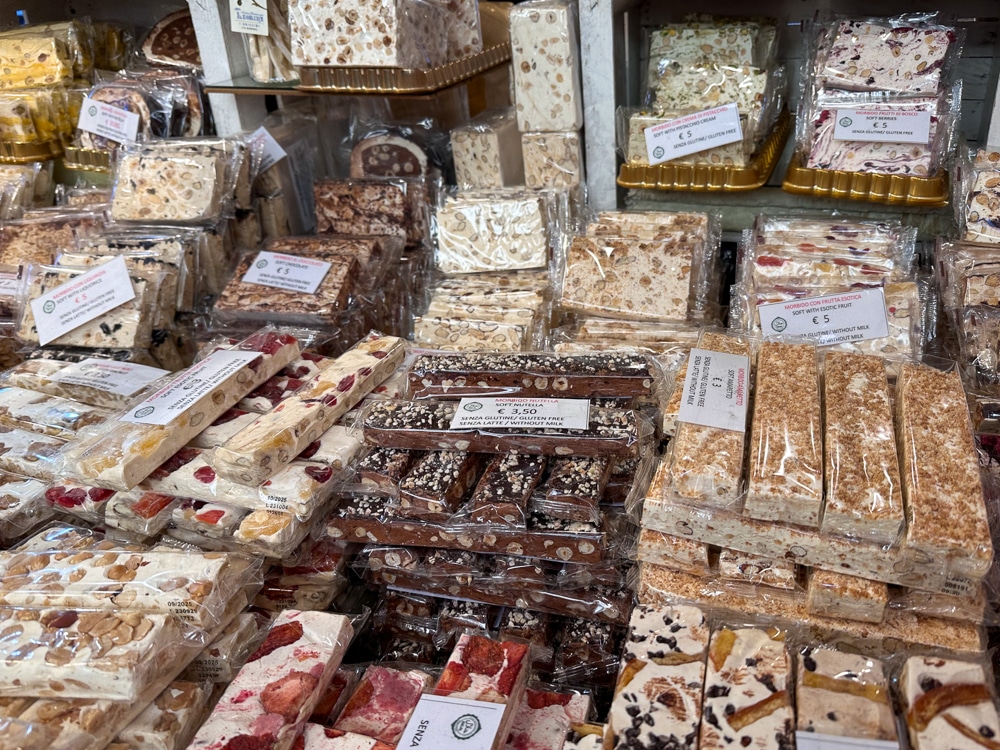
All food in Italy is local and seasonal. So, a trip to the region of Lombardy won’t be complete without tasting some of the local specialties which are as diverse as the region’s geography. From rice and pasta to heartier dishes of polenta, beef, and Alpine cheese, there are lots of delicious goodies, and even some that you may not have realized originated here.
In fact, I was surprised when I learned that the cuisine in Lombardy uses more butter than olive oil! Together with the region’s cheeses and prime cuts of meat, you’ll get a taste of Lombardy’s rich flavors.
Traditional Dishes
- Risotto alla Milanese: This creamy saffron risotto is a quintessential Milanese dish. Rich and flavorful, the rice is grown in the Po valley in Lombardy and is a must-try for anyone visiting the region.
- Cotoletta alla Milanese: Also known as Veal Milanese, this breaded veal cutlet, similar to a schnitzel, is crispy on the outside and tender on the inside. This classic dish is a favorite among locals and a familiar dish for many visitors.
- Polenta: A versatile cornmeal dish often served with hearty stews or grilled meats. It’s a staple in Lombard cuisine, especially during the colder months.
- Tortellini di Zucca: Originating from Mantua, these pumpkin-filled pasta pockets are a delicious blend of sweet and savory flavors, making them a unique regional specialty.
- Ossobuco alla Milanese: Widely known even outside of Italy, Ossobuco slowly braises veal shanks with vegetables, chicken stock, mushrooms, and a white wine sauce until the meat melts in your mouth.
- Bresaola: This salted beef is aged for a couple of months. It’s lean and tender coming from the top cuts of meat and typically served as a starter.
Cheeses
- Taleggio: This semisoft cheese is milder than your nose will warn but satisfies with a rich, creamy flavor.
- Grana Padano: This Po River Valley cheese is comparable to Parmesan, but has a softer texture so it’s easier to use when cooking.
- Gorgonzola: One of my favorite northern Italian cheeses of all time, the creamy version of this blue cheese has just the right amount of bite. The harder version is spicier and breaks into pieces. It’s served as a starter, paired with polenta, and used as a rich sauce over stuffed pasta dishes.
Wines
- Franciacorta sparkling wine: Hailing from the Franciacorta region near Lake Iseo, this is one of those sparkling wines that isn’t as well-known as Prosecco…but should be!
- Valtellina wine: Produced in the Valtellina valley, this wine region produces robust red wines known for their complex flavor profiles to perfectly complement the region’s rich food.
Sweets
- Panettone: This traditional Christmas bread, studded with candied fruits and raisins, is a holiday favorite. If you spend Christmas in Milan, it’s a must eat while you’re there. Its light, airy texture, and sweet flavor make it a delightful treat any time of year.
- Torrone: A nougat candy made with honey, sugar, egg whites, and nuts. This sweet treat, with its chewy texture and rich taste, is a beloved Italian dessert. You’ll see it sold at markets in many areas in the north of Italy.
5. Underrated Smaller Cities
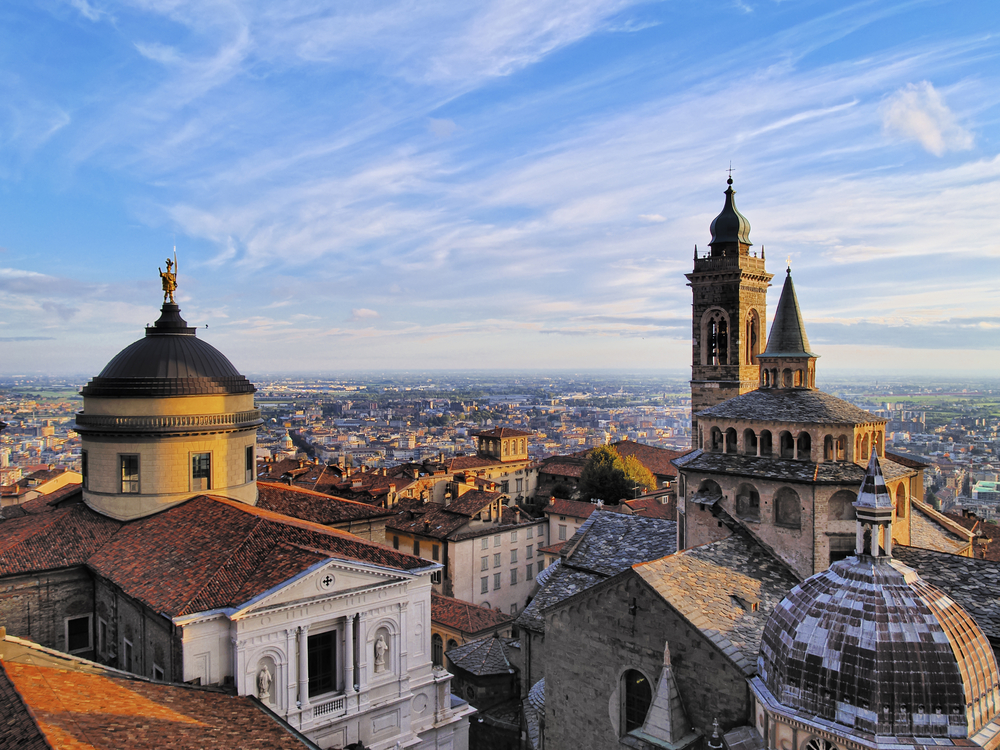
Between Milan and the incredible beauty of Lombardy’s lakes, it’s easy to overlook other gems in plain sight! Lombardy offers a great mix of Marquis sights and smaller cities where you can enjoy a more authentic Italian experience away from the larger crowds of tourists.
Let’s take a look at a few!
Bergamo is known for its medieval city center, called Citta Alta, and its impressive Venetian walls. The old town, perched on a hill, is full of narrow cobblestone streets, historic buildings, and stunning views. Walking along the Venetian walls, which are a UNESCO World Heritage site, is like stepping back in time.
Brescia is packed with Roman history and fascinating ancient ruins. The highlight here is the Santa Giulia Museum, which is in a former monastery. This museum is a treasure trove of Roman artifacts, medieval frescoes, and Renaissance art. The historic center, with its Roman Capitolium and theater, is a must-see for history buffs.
Mantua is famous for its beautiful, UNESCO-listed Renaissance architecture. The star attraction is the Palazzo Ducale, a huge palace that was home to the Gonzaga family. The palace’s grand rooms, stunning frescoes, and lovely courtyards are some of the most beautiful works of art and architecture you’ll see in northern Italy.
Cremona is renowned for its violin-making tradition. You can visit the Violin Museum to learn about this craft and see violins made by Stradivari and other masters. Walking through Cremona’s historic center, you’ll find many workshops where craftsmen still make violins by hand. Afterward, visit the stunning Cathedral known as the “Sistine Chapel of the North!”
Monza is known for its massive Monza Park and the famous Formula 1 racetrack, the Autodromo Nazionale Monza. Monza Park is perfect for a relaxing walk or picnic. The racetrack, which hosts the Italian Grand Prix, is a must-visit for motorsport fans. Monza’s charming historic center and its beautiful Duomo add to its appeal.
Don’t miss out on Lombardy’s smaller, underrated cities! As you plan your trip to northern Italy, you can use trains or simply rent a car to visit some of these spots and create an itinerary that’s a mix of top sights and hidden gems.
6. UNESCO World Heritage Sites
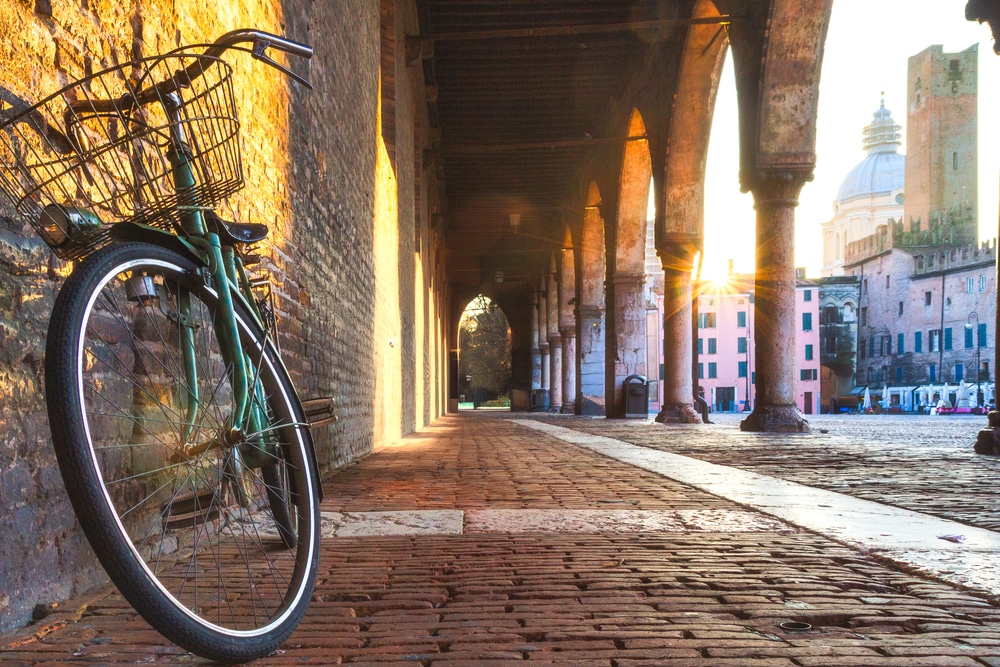
Lombardy is packed with cultural and historical landmarks, boasting the most UNESCO World Heritage Sites in Italy. If you love history, art, or just exploring interesting places, add these to your things to do in Lombardy list.
One of the main UNESCO highlights of the region is the Church and Convent of Santa Maria delle Grazie, where you can see Leonardo da Vinci’s famous mural “The Last Supper.” It’s an incredible piece of art that you won’t want to miss.
Mantua and Sabbioneta share UNESCO honors because of their incredible Renaissance architecture and design. Features like the roads and open spaces were laid out using the most up-to-date science and thinking of the time.
Crespi d’Adda is a fascinating, well-preserved village built for industrial workers in the late 19th century. It’s like stepping back in time and seeing how people lived and worked back then.
The Rock Drawings in Val Camonica are one of the largest collections of prehistoric rock carvings in the world, dating from 8,000 BC to the Iron Age. These ancient drawings give you a peek into the lives and creativity of early humans.
The Sacri Monti, or Sacred Mountains, of Piedmont and Lombardy are a series of nine groups of chapels and other religious buildings. The Sacro Monte di Varese and the Sacro Monte di Ossuccio are in Lombardy. They’re beautiful, peaceful places that offer both natural beauty and spiritual reflection.
This scenic railway route through the Rhaetian Alps is known for its stunning views and amazing engineering. Ride the Rhaetian Railway for a journey through some of the most beautiful mountain scenery in the world.
The Prehistoric Pile Dwellings in the Alps is a shared site with several other European countries and is famous for the remains of prehistoric stilt house settlements built between 5000 and 500 B.C. around the Alps. There are 10 of these sites in Italy. Look for them near Lake Varese and around Lake Garda.
These, along with the Venetian walls in Bergamo, sites with fossils millions of years old, and the Longobard’s Places of Power in Brescia and Castelseprio, your northern Italy trip will show the layers of history that have taken place across the Lombardy region.
7. Outdoor Activities

Lombardy is a great destination for outdoor enthusiasts with its wide range of activities that bring you into the heart of the region’s natural beauty and diverse landscapes. Whether you’re into hiking, skiing, or water sports, Lombardy is the place to be.
Stelvio National Park is the most well-known park in Lombardy (also shared with Trentino-Alto Adige). Whether you’d like to hike, bike, spot wildlife, ski or snowshoe in winter, or just take in the gorgeous scenery of the Alps, you can’t go wrong with a trip to this national park. Plus, the Stelvio Pass, a 9,000+ foot famous mountain pass linking Lombardy to Trentino comes with breathtaking views and is popular with cyclists.
For those who love skiing, Lombardy has popular ski resorts like Livigno and Bormio. These resorts offer excellent slopes, modern facilities, and stunning alpine views, perfect whether you’re a casual or serious skier.
Adrenaline junkies can parglide over or windsurf along Lombardy’s lakes. The lakes also offer endless opportunities to hike, bike, sail, and kayak. All of which are guaranteed to have you swooning over the breathtaking views in every direction.
Located near Sondrio, Valtellina Valley is also dotted with trails that lead through vineyards, nature reserves, and alpine meadows, for fantastic hiking experiences. You can also go mountain biking in this valley along scenic trails and rock climbing on rugged cliffs.
Whatever your preferred outdoor activity is, you’re sure to find a beautiful spot for it in Lombardy.
8. Well-Connected Transportation
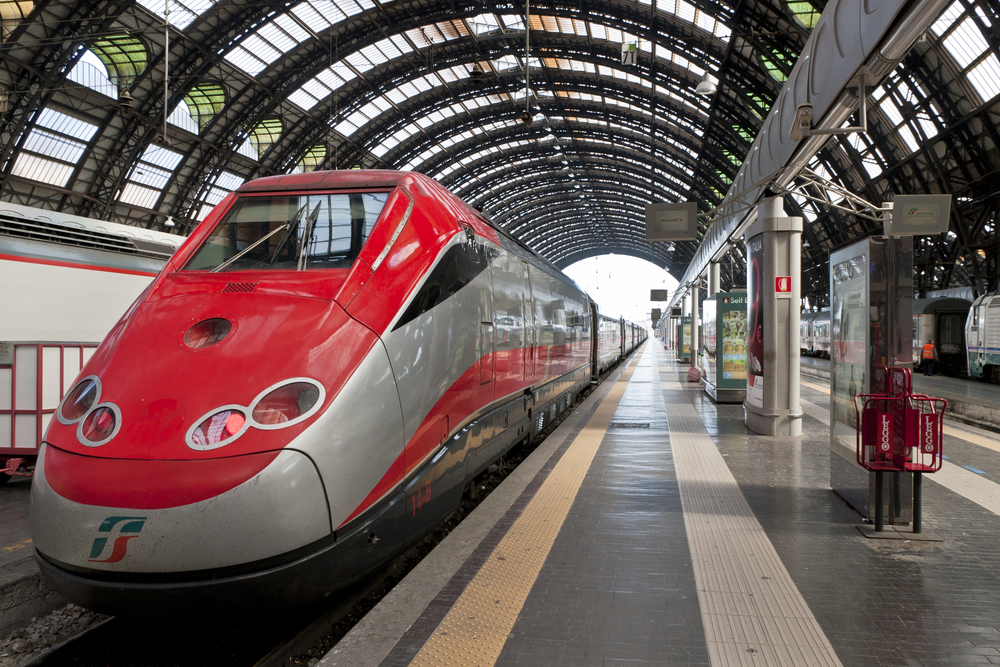
Lombardy is exceptionally well-connected, making it a breeze to explore both within the region and beyond, whether you prefer to travel by air, train, or car.
Milan alone has several major airports, including Malpensa and Linate, which offer convenient access to international and domestic flights. This makes starting your journey or making connections seamless and straightforward.
From Milan, you can easily hop on trains to explore nearby towns and cities, making day trips hassle-free. High-speed trains connect Milan with major cities like Venice, Florence, and Rome, allowing for efficient and comfortable travel. There are also regional trains that’ll take you to the different destinations parts of Lombardy.
If you choose to drive, Lombardy’s well-maintained highways provide easy access to its diverse landscapes and attractions. Whether you’re heading to the picturesque lakes or exploring the historic towns nestled in the Alps, navigating the region by car offers flexibility and the freedom to discover hidden gems.
9. Grottoes of Catullus
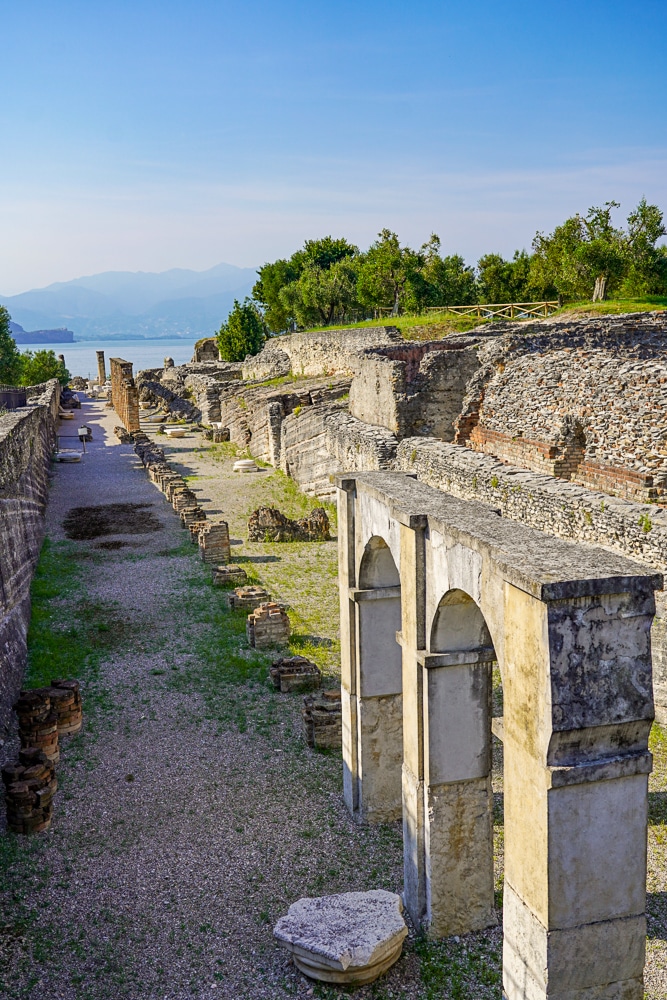
When you’re in Lombardy, Italy, you don’t want to miss the Grottoes of Catullus in Sirmione on Lake Garda! These ruins are said to have been the home of the Roman poet Catullus, dating back to the 1st Century BC. They give you a peek into how the ancient Romans lived and the kind of place where Catullus might have found inspiration for his poetry.
Located on the tip of the Sirmione peninsula, the Grottoes offer not just history but also amazing views of Lake Garda. Explore the remains of this grand villa, imagine what life was like back then, and take in the stunning scenery of the lake and the surrounding olive groves.
It’s easily one of the best Roman ruin sites in northern Italy.
10. Medieval Castles
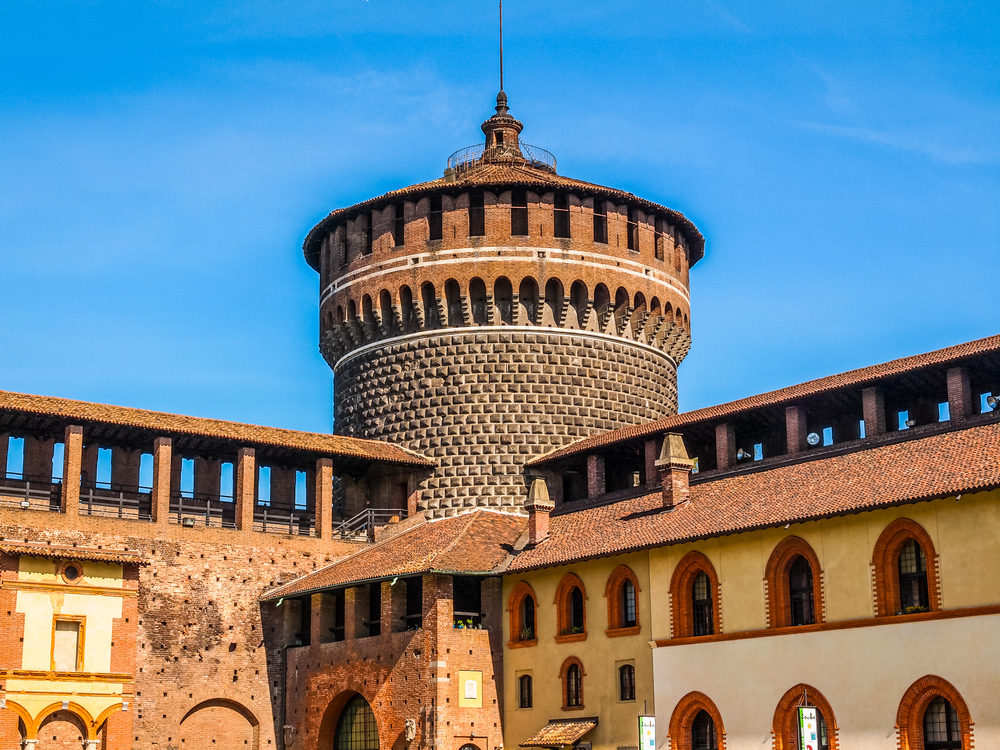
Medieval castles add a touch of ancient charm and history to your visit to Lombardy, Italy. Two standout examples are Castello Sforzesco in Milan and Scaliger Castle in Sirmione, each offering a unique glimpse into the region’s storied past.
Castello Sforzesco stands as a monumental reminder of Milan’s medieval and Renaissance history. Originally built in the 15th century as a fortress, it evolved into a grand ducal residence under the Sforza family. Today, it houses several museums and galleries, showcasing art, history, and culture from Milan and beyond. Visitors can explore its massive walls, towers, and inner courtyards.
On the shores of Lake Garda, Scaliger Castle is a striking medieval fortress that dates back to the 13th century. Its strategic location at Sirmione’s gated entrance served both defensive and residential purposes for the powerful Scaliger dynasty. The castle’s well-preserved walls and towers offer panoramic views of Lake Garda and the surrounding countryside.
Beyond these iconic landmarks, Lombardy has plenty of other medieval castles worth exploring. Here are a few:
- Castello di Brescia: Dominating the city skyline, Brescia’s castle offers commanding views and a rich history dating back to Roman times.
- Castello Visconteo in Pavia: Built in the 14th century, this castle is a symbol of the Visconti dynasty’s power and influence in northern Italy.
- Castello di Malpaga: Located near Bergamo, this castle is famous for its connection to the condottiero Bartolomeo Colleoni and offers insights into medieval military architecture.
If you’re a history buff like me, you’ll love finding these off-the-beaten-path castles to uncover the stories of Lombardy’s feudal lords, noble families, and military leaders.
11. Musical Heritage
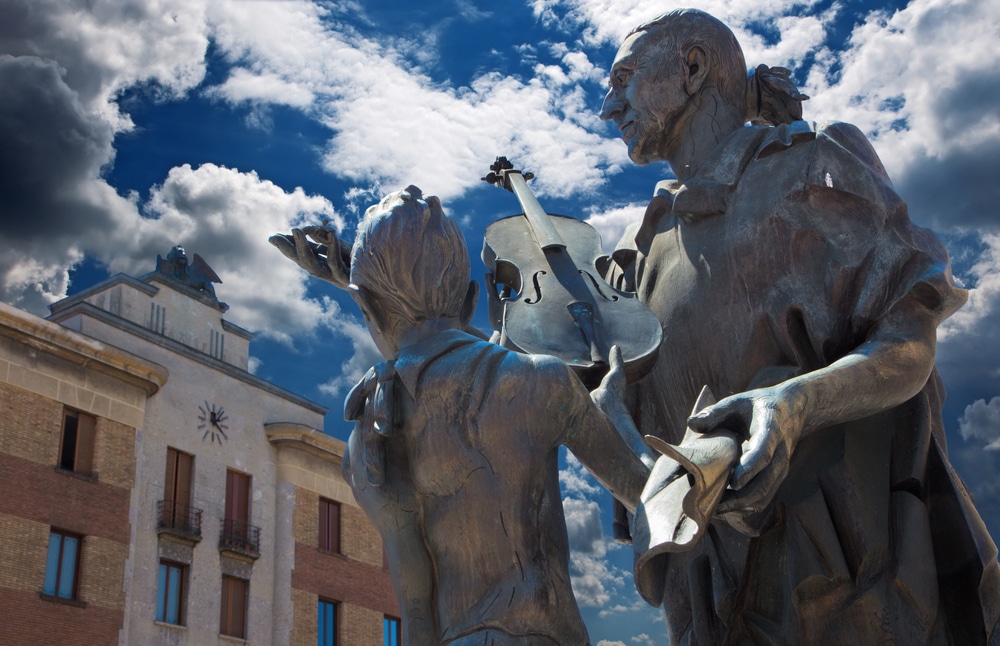
Lombardy has a rich history in opera and violin craftsmanship that’s pretty amazing.
In Milan, La Scala is one of the most famous opera houses in the world. It’s been hosting incredible opera performances since the 1700s. The theater is stunning inside, too, and the sound is perfect for hearing the dramatic voices and music of opera.
Cremona is where violin making took off centuries ago. It’s famous for master craftsmen like Antonio Stradivari who made some of the best violins ever. Today, you can visit workshops where artisans still make violins today and learn about the craft that goes into making perfect stringed instruments. As a result, Cremona’s violins are known for their exceptional quality and are used in concerts all over the world.
In Brescia, the stunning Teatro Grande is an architectural masterpiece with jaw-dropping frescoes. The theater still hosts operas and concerts throughout the year.
While in Bergamo, the Donizetti Museum and opera festival celebrates Gaetano Donizetti, a famous Italian composer who was born there and is credited with writing nearly 70 operas and countless other classical pieces for piano, orchestras, and quartets.
12. Small Towns and Villages
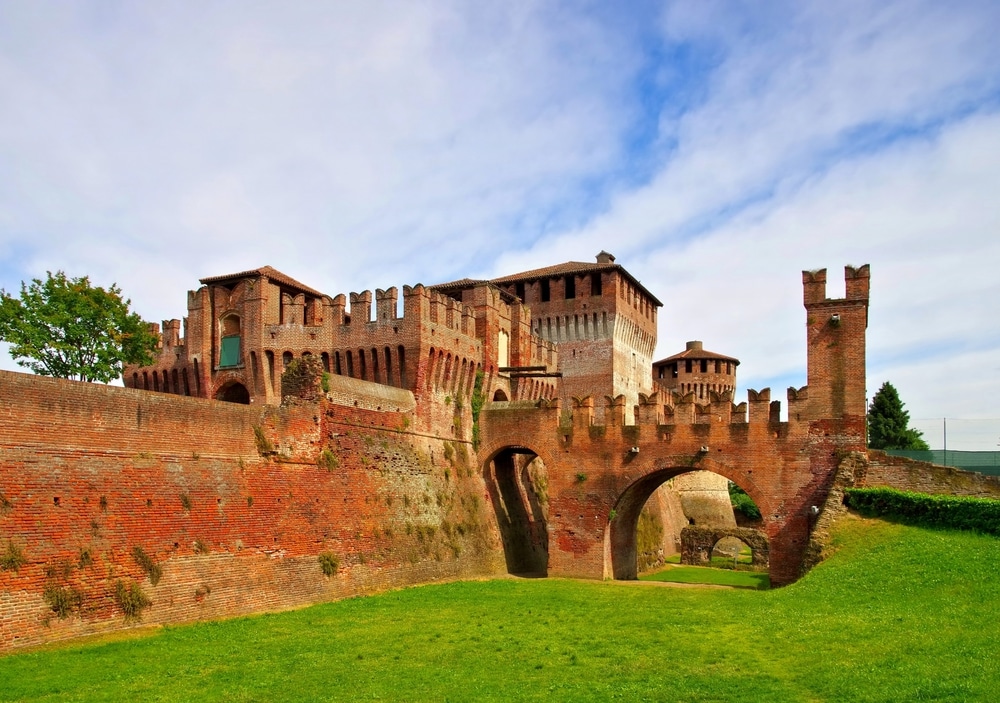
Lombardy has so many pretty small towns and villages that offer a peaceful retreat and a glimpse into authentic Italian life. These villages and towns have their own unique charm and centuries-old history, making them perfect for exploring away from some of the region’s busier spots.
Here are some of Lombardy’s small towns that really call for a visit:
- Soncino: Don’t miss the 1,000-year-old Rocca Sforzesca or the beautiful churches of Santa Maria Assunta, Santa Maria delle Grazie, and the San Giacomo in this medieval gem.
- Sabbioneta: The Palazzo Ducale (and its square), the church of Santa Maria Assunta, and the perfectly aligned streets are architectural and artistic gems.
- Monte Isola: Discover the villages on this quiet island to learn more about their history and traditions. Be sure to do some hiking, either around the island or up to the Sanctuary of the Madonna della Ceriola!
- Crema: Explore its historic Piazza del Duomo and Renaissance Palazzo Comunale.
- Tremezzo: Discover Villa Carlotta’s botanical gardens and the scenic Lake Como promenade.
- Pavia: Explore the Certosa di Pavia monastery and Castello Visconteo in the historic city center.
- Lecco: Enjoy the lakeside promenade, Palace of Fears (Palazzo delle Paure) exhibitions, and hiking Monte San Martino for stunning views of Lake Como.
- Clusone: This mountain town has historical buildings, including a famous planetary clock and exterior frescoes. Also, be sure to taste the Clusone biscuit!
- Desenzano del Garda: Check out the views from the hilltop castle and enjoy the scenic harbor and its 16th-century Duomo.
Should You Visit the Lombardy Region of Northern Italy?
No surprise here! But hopefully, I’ve convinced you that Italy’s region of Lombardia is worth exploring beyond the favorites, Milan and Lake Como. In fact, you can easily build a northern Italy itinerary that includes these hot spots while also creating your own unique trip.
So, now that you’re ready to plan some time in Lombardy, I’ll save a seat for you at my next aperitivo!
What questions do you have about visiting Lombardy?
Like this post? Please share it using the share buttons below.
